
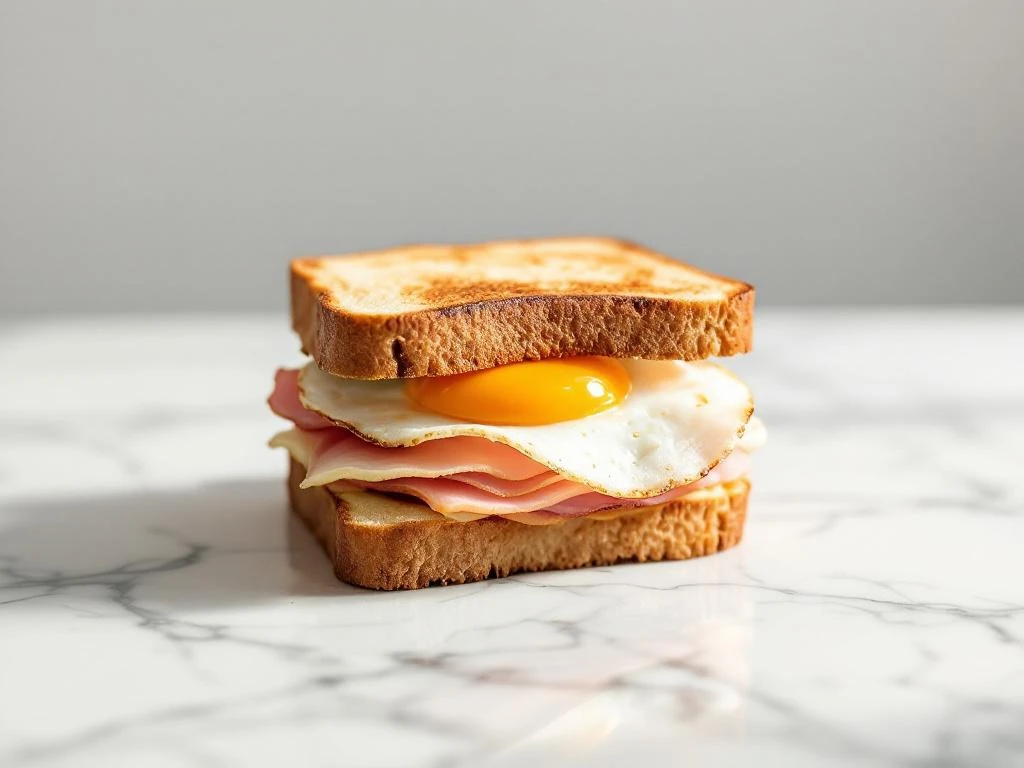
Starting your day with a satisfying breakfast can be challenging when you’re managing IBS symptoms. This ham and egg breakfast sandwich gives you a filling, protein-rich meal that follows low FODMAP guidelines without triggering digestive discomfort. You’ll create a quick breakfast sandwich recipe that works for your gut health whilst delivering the flavour and satisfaction you want from your morning meal.
This guide is suitable for beginners with basic cooking skills. You’ll need about 10 minutes to prepare and cook your sandwich. The recipe uses simple ingredients that are widely available, and you can easily adapt it to your taste preferences whilst staying within FODMAP limits.
Why this ham and egg sandwich works for IBS
Traditional breakfast sandwiches often contain high FODMAP ingredients that can trigger IBS symptoms. Common culprits include wheat bread with excess fructans, processed meats with added onion or garlic powder, and condiments containing high FODMAP sweeteners. This low FODMAP breakfast sandwich avoids these triggers whilst providing the protein and energy you need to start your day.
The foundation of an IBS-friendly breakfast lies in choosing the right bread. Gluten-free bread made from rice, oat, or sourdough varieties that have been fermented properly can be low FODMAP in appropriate portions. Most certified low FODMAP breads allow for two slices per serving, giving you enough for a proper sandwich without exceeding FODMAP limits.
Eggs are naturally low FODMAP and provide high-quality protein that helps keep you satisfied throughout the morning. They’re easy to digest for most people with IBS and offer essential nutrients including vitamin B12 and choline. Ham, when chosen carefully, is also low FODMAP. The key is selecting plain ham without added onion, garlic, or high FODMAP preservatives. Check ingredient labels to ensure you’re getting pure meat with minimal additives.
The protein combination in this ham egg sandwich low FODMAP recipe helps stabilise blood sugar levels and prevents the mid-morning energy crash that can worsen digestive symptoms. Protein slows digestion in a beneficial way, promoting steady nutrient absorption without the rapid fermentation that triggers IBS symptoms.
Gather your low FODMAP sandwich ingredients
You’ll need these ingredients to create your IBS-friendly breakfast sandwich. Portion sizes matter for staying within FODMAP limits, so follow the quantities listed.
Essential ingredients
- 2 slices of low FODMAP bread (gluten-free varieties made from rice, oat, or properly fermented sourdough work well)
- 2 eggs (any size, cooked to your preference)
- 2 slices of plain ham (approximately 50-60g total, check labels for added onion or garlic)
- 1 tablespoon of butter or suitable oil for cooking
- Salt and pepper to taste
Approved condiments and spreads
These additions stay within low FODMAP guidelines when used in appropriate amounts. Choose one or two to add flavour without triggering symptoms.
- Mayonnaise (check for garlic-free varieties, 1 tablespoon per serving)
- Mustard (yellow or Dijon, 1 tablespoon per serving)
- Lactose-free cheese (cheddar, Swiss, or other hard cheeses, 40g per serving)
- Tomato (1/4 of a medium tomato, sliced)
- Lettuce or spinach leaves (small handful)
Shopping tips for certified products
Look for bread certified by FODMAP Friendly or Monash University when possible. These products have been laboratory tested to ensure they meet low FODMAP standards. For ham, choose products labelled as “plain” or “natural” rather than flavoured varieties. Avoid honey-baked, herb-crusted, or seasoned options as these often contain high FODMAP ingredients.
Most supermarkets now stock gluten-free bread options. Store these in the freezer and toast slices directly from frozen to maintain freshness. This easy breakfast sandwich recipe works with any low FODMAP bread you prefer, so experiment to find your favourite.
Prepare your ham and egg breakfast sandwich
Timing is important for creating a hot, fresh sandwich where all components are ready simultaneously. This method ensures your egg is perfectly cooked, your ham is warm, and your bread is toasted just right.
Toast your bread
Place your two slices of low FODMAP bread in the toaster. Set it to medium heat. You want the bread lightly golden and crisp on the outside whilst remaining soft enough to bite through easily. Toasting takes about 2-3 minutes depending on your toaster.
Whilst the bread toasts, you can start cooking your other components. This saves time and keeps everything hot.
Cook your egg to preference
Heat a non-stick pan over medium heat. Add half your butter or oil. Once it melts and the pan is hot, crack your eggs into the pan.
For fried eggs: Cook for 2-3 minutes until the whites are set but the yolk remains runny. If you prefer a firmer yolk, cover the pan with a lid for the last minute of cooking. The steam will cook the top of the egg.
For scrambled eggs: Whisk the eggs in a bowl before adding them to the pan. Stir gently with a spatula, pushing the eggs from the edges to the centre as they cook. Remove from heat when they’re still slightly wet, as they’ll continue cooking from residual heat. This takes about 2 minutes.
For poached eggs: Bring a small pot of water to a gentle simmer. Crack each egg into a small cup. Create a gentle whirlpool in the water by stirring it, then slide the egg into the centre. Cook for 3-4 minutes for a runny yolk. Remove with a slotted spoon and drain on kitchen paper.
Season your eggs with salt and pepper whilst they’re still hot.
Warm your ham
You can warm ham in the same pan after cooking your eggs, using the remaining butter or oil. Place the ham slices in the pan for about 30 seconds on each side. They should be warm but not crispy. Alternatively, you can microwave the ham for 15-20 seconds on a plate.
Warming the ham enhances its flavour and creates a more cohesive sandwich where all components are the same temperature.
Assemble your sandwich
Place one slice of toasted bread on your plate. Layer your ingredients in this order for the best structure and flavour distribution. Spread your chosen condiment on the bottom slice of bread. This creates a barrier that prevents the egg from making the bread soggy.
Add the warm ham slices next. Place your cooked egg on top of the ham. If using cheese, place it on the hot egg so it begins to melt slightly. Add any vegetables like tomato or lettuce. Top with the second slice of toasted bread.
Press down gently on the sandwich to help it hold together. Cut in half diagonally if desired. This quick breakfast sandwich is ready to eat immediately whilst everything is still hot.
Customise your sandwich for variety
Eating the same breakfast every day can become boring, even when it’s delicious. These variations keep your gluten-free breakfast sandwich interesting whilst maintaining low FODMAP compliance.
Cheese options that work
Hard cheeses are naturally low in lactose and safe for most people following a low FODMAP diet. Add a slice of cheddar, Swiss, or Gruyère to your sandwich for extra protein and calcium. Place the cheese directly on the hot egg so it melts slightly. Limit portions to about 40g to stay within recommended serving sizes.
Avoid soft cheeses like cream cheese or ricotta in larger amounts, as these contain more lactose. If you want a creamy element, use lactose-free cream cheese instead.
Low FODMAP vegetable additions
These vegetables add nutrients, texture, and flavour without triggering IBS symptoms. Remember that portion sizes matter, so don’t overload your sandwich.
- Tomato slices (limit to 1/4 of a medium tomato)
- Lettuce or baby spinach leaves (unlimited)
- Cucumber slices (small handful)
- Rocket leaves (small handful)
- Roasted red pepper (1 tablespoon)
Avoid high FODMAP vegetables like onion, garlic, mushrooms, or avocado in large amounts. Small quantities of spring onion greens (green parts only) can add flavour if you tolerate them.
Seasoning and flavour variations
Change the flavour profile of your sandwich with these low FODMAP seasonings. Sprinkle dried herbs like basil, oregano, or thyme on your eggs whilst cooking. Add a pinch of paprika or chilli flakes if you enjoy heat. Fresh herbs like chives (small amount) or parsley work well as toppings.
Experiment with different mustards. Whole grain mustard adds texture, whilst Dijon provides a sharper flavour. Both are low FODMAP in tablespoon servings.
Alternative protein options
Whilst this recipe focuses on ham, you can substitute other low FODMAP proteins. Turkey breast (plain, not processed with high FODMAP ingredients) works well. Cooked bacon in small amounts (2 rashers) is low FODMAP and adds a smoky flavour. Tinned tuna mixed with mayonnaise creates a different breakfast option.
For a vegetarian version, use firm tofu sliced and pan-fried until golden. Season it well with salt, pepper, and herbs. Tofu is low FODMAP in 160g servings, giving you plenty for a satisfying sandwich.
Meal prep strategies
Save time on busy mornings by preparing components in advance. Toast your bread and store it in an airtight container for up to 2 days. Reheat in the toaster for 30 seconds before assembling your sandwich.
Hard-boil eggs in batches at the start of the week. Peel and store them in the refrigerator for up to 5 days. Slice them for your sandwich in the morning. This eliminates the cooking step entirely.
Pre-portion your ham into sandwich-sized servings. Wrap each portion separately in cling film or store in small containers. Grab one portion each morning and warm it quickly.
Keep your condiments and approved vegetables prepared and ready. Wash and dry lettuce, slice tomatoes, and portion cheese in advance. Store everything in separate containers so you can quickly assemble your sandwich.
You’ve now learned how to create a satisfying ham and egg breakfast sandwich that supports your digestive health whilst delivering proper nutrition. This low FODMAP breakfast sandwich provides protein, energy, and variety without triggering IBS symptoms. The simple preparation method fits into busy morning routines, and the customisation options prevent breakfast boredom.
The key to success with this recipe lies in choosing certified low FODMAP ingredients and respecting portion sizes. Check labels carefully, particularly for bread and processed meats. When you select the right components, you can enjoy a delicious breakfast sandwich without worrying about digestive discomfort.
Start with the basic recipe until you’re confident with the technique. Then experiment with the variations to find your favourite combinations. You might discover that certain vegetables or seasonings work particularly well for your taste preferences and digestive system.
This recipe demonstrates that following a low FODMAP diet doesn’t mean sacrificing flavour or satisfaction. With the right approach, you can enjoy the same breakfast foods as everyone else whilst managing your IBS symptoms effectively.
Ham and egg breakfast sandwich
Cooking time: 10 minutes | Portions: 1 serving
- Toast 2 slices of low FODMAP bread until lightly golden
- Heat butter or oil in a non-stick pan over medium heat
- Cook 2 eggs to your preference (fried, scrambled, or poached) for 2-4 minutes
- Season eggs with salt and pepper
- Warm 2 slices of plain ham (50-60g) in the pan for 30 seconds each side
- Spread chosen condiment (mayonnaise or mustard) on bottom slice of toast
- Layer warm ham on the condiment
- Place cooked eggs on top of ham
- Add optional cheese (40g), tomato (1/4 medium), or lettuce if desired
- Top with second slice of toast
- Press gently and cut in half if preferred
- Serve immediately whilst hot
This recipe is for informational purposes only and is not medical or dietary advice. Please consult a healthcare professional before making any changes to your diet.