
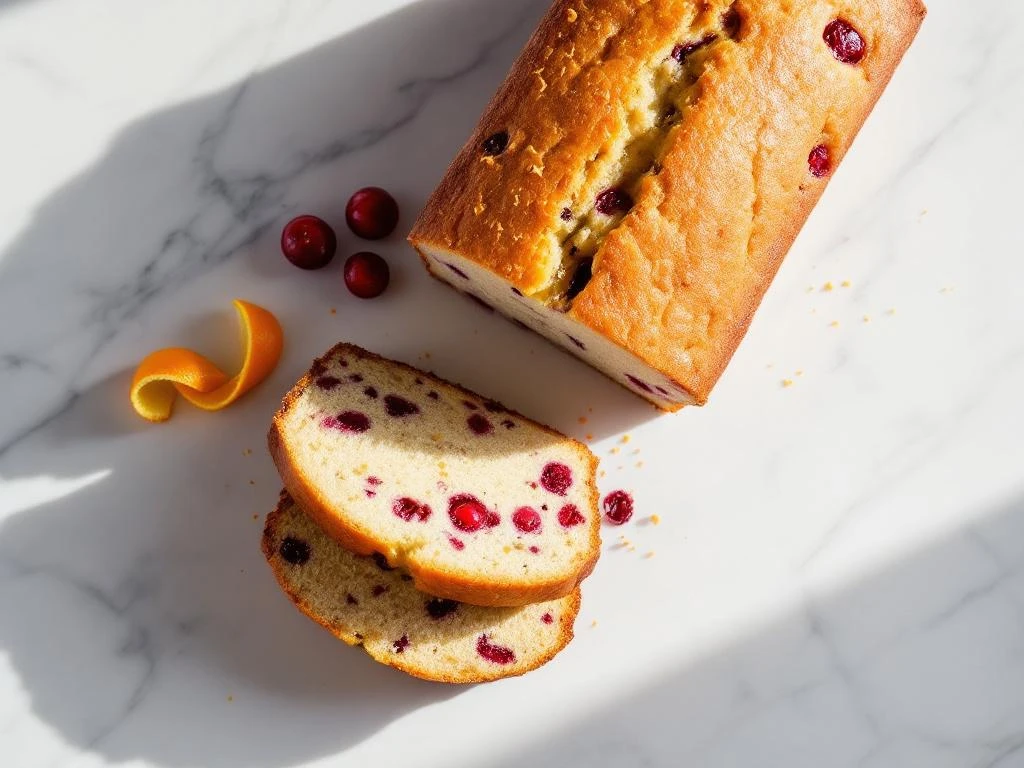
Baking gluten-free orange cranberry bread at home means you can enjoy a festive, flavourful quick bread without worrying about digestive discomfort. This recipe uses low FODMAP ingredients and a reliable gluten-free flour blend to create a moist, tender loaf with bright citrus notes and tart cranberries. Whether you’re managing IBS or simply avoiding gluten, this homemade gluten-free bread delivers on taste and texture without triggering symptoms. You’ll need about 20 minutes to prepare and 50 minutes to bake, plus basic mixing tools and a standard loaf pan.
Why this gluten-free orange cranberry bread works
This gluten-free quick bread recipe addresses digestive sensitivities by using certified low FODMAP ingredients throughout. The gluten-free flour blend combines rice flour, tapioca starch, and potato starch to create structure without wheat. These starches work together to mimic the binding properties of gluten while remaining gentle on sensitive digestive systems.
Fresh cranberries and orange zest provide natural flavour without high FODMAP additives or preservatives. The orange-cranberry combination creates a satisfying balance of sweet and tart that makes this IBS friendly bread recipe feel special rather than restrictive. Using lactose-free butter and suitable sweeteners means you won’t sacrifice moisture or taste.
The key to success with this FODMAP friendly bread lies in proper mixing technique. Gluten-free batters need enough mixing to combine ingredients thoroughly, but overmixing won’t create the tough texture that happens with wheat flour. This makes the recipe more forgiving for home bakers.
Gather your ingredients and tools
For the dry ingredients, you’ll need 250g gluten-free flour blend (look for one containing rice flour, tapioca starch, and xanthan gum), 150g white sugar, 2 teaspoons baking powder, and half a teaspoon of salt. Make sure your baking powder is fresh for proper rise.
The wet ingredients include 2 large eggs at room temperature, 120ml lactose-free milk, 80g melted lactose-free butter, and the zest of one large orange. You’ll also need 80ml of fresh orange juice (about one orange) and 150g of fresh or dried cranberries. If using dried cranberries, choose unsweetened ones without added apple juice.
Essential tools include a 23cm loaf pan, two mixing bowls (one medium, one large), measuring cups and spoons, a fine grater or zester for the orange, a whisk, a spatula, and parchment paper for lining the pan. Having everything ready before you start makes the process smoother.
Prepare the cranberry orange mixture
Start by preheating your oven to 180°C. Line your loaf pan with parchment paper, leaving some overhang on the sides for easy removal later. This step prevents sticking, which can be more of an issue with gluten-free baking.
Wash your orange thoroughly under warm water. Use a fine grater to remove just the coloured part of the peel, avoiding the white pith underneath which tastes bitter. You should get about one tablespoon of zest. Cut the orange in half and squeeze out 80ml of juice, straining out any seeds.
If using fresh cranberries, rinse them and pick through to remove any soft or damaged berries. Pat them dry with a kitchen towel. Toss the cranberries with one tablespoon of your measured flour. This coating helps prevent them from sinking to the bottom during baking. For dried cranberries, simply chop them roughly if they’re large.
In your medium bowl, whisk together the eggs, lactose-free milk, melted butter, orange juice, and orange zest until well combined. The mixture should look smooth and slightly frothy. Set this aside while you prepare the dry ingredients.
Mix and bake the bread to perfection
In your large bowl, whisk together the gluten-free flour blend, sugar, baking powder, and salt. Make sure there are no lumps in the flour. Whisking dry ingredients thoroughly ensures even distribution of the leavening agents.
Pour the wet ingredients into the dry ingredients all at once. Using a spatula, fold the mixture together with broad strokes. The batter will look thick and slightly lumpy, which is normal for gluten-free quick bread. Mix just until no dry flour remains visible, which should take about 20 strokes. The batter should be thick enough to hold its shape but still pourable.
Gently fold in the floured cranberries, distributing them evenly throughout the batter. Pour the batter into your prepared loaf pan and smooth the top with your spatula. The batter should fill the pan about two-thirds full.
Bake for 50 to 55 minutes. The bread is done when a skewer inserted into the centre comes out clean or with just a few moist crumbs. The top should be golden brown and spring back lightly when touched. If the top browns too quickly, tent it loosely with foil after 35 minutes.
Let the bread cool in the pan for 15 minutes. This cooling period allows the structure to set properly. Then use the parchment overhang to lift the loaf out and transfer it to a wire rack to cool completely. Cutting into warm gluten-free bread often results in a gummy texture, so patience here improves your final result.
Troubleshoot common baking issues
If your bread turns out dense and heavy, you likely overmixed the batter or your baking powder was old. Check the expiration date on your baking powder and replace it if needed. When mixing, stop as soon as the flour disappears into the wet ingredients.
A crumbly texture usually means the batter was too dry or the bread overbaked. Measure your flour by spooning it into the measuring cup rather than scooping, which packs it down and adds too much. If your oven runs hot, reduce the temperature by 10°C and bake a bit longer.
Cranberries sinking to the bottom happens when they’re too wet or the batter is too thin. Always dry fresh cranberries thoroughly and toss them in flour before adding. If your batter seems runny, you can add an extra tablespoon of gluten-free flour.
Uneven baking with a raw centre and overdone edges indicates your oven temperature is too high. Use an oven thermometer to check accuracy. You can also try baking at 170°C for a slightly longer time, which gives more even heat distribution.
Dry bread often results from overbaking or not enough fat in the recipe. Start checking for doneness at 50 minutes rather than waiting the full time. Make sure you’re using the full amount of butter specified and that your lactose-free milk hasn’t separated.
Store and serve your cranberry bread
Allow the bread to cool completely before storing, which takes about two hours. Wrap it tightly in cling film or place it in an airtight container. At room temperature, this dairy-free orange bread stays fresh for up to three days. The texture actually improves slightly on day two as the flavours meld.
For longer storage, refrigerate the wrapped loaf for up to one week. Bring slices to room temperature before eating, or warm them gently in a toaster. The cold can make gluten-free bread firm, but gentle warming restores the texture.
This easy cranberry bread freezes beautifully for up to three months. Slice the cooled loaf before freezing so you can remove individual portions. Wrap slices in parchment paper, then place them in a freezer bag with as much air removed as possible. Thaw slices at room temperature for about 30 minutes or toast them directly from frozen.
Serve this gluten-free holiday bread at breakfast with a spread of lactose-free butter or cream cheese. It pairs well with a cup of tea or coffee for a satisfying low FODMAP snack. Try it alongside scrambled eggs and a handful of spinach for a complete breakfast that won’t upset your digestion.
For special occasions, this orange cranberry loaf works as a festive dessert when served with a dollop of lactose-free vanilla yoghurt. The bright flavours make it suitable for holiday gatherings where you need a safe option that doesn’t taste restrictive. Guests often can’t tell it’s gluten-free or low FODMAP.
You’ve now mastered a reliable gluten-free quick bread recipe that fits comfortably into a low FODMAP diet. This homemade gluten-free bread proves that managing digestive sensitivities doesn’t mean giving up on flavourful baking. The techniques you’ve learned here apply to other quick breads and muffins, so feel free to experiment with different low FODMAP fruits and flavours once you’re comfortable with the basic method.
Gluten-free orange cranberry bread
Cooking Time: 50-55 minutes | Portions: 10 slices
- 250g gluten-free flour blend (with xanthan gum)
- 150g white sugar
- 2 teaspoons baking powder
- ½ teaspoon salt
- 2 large eggs (room temperature)
- 120ml lactose-free milk
- 80g melted lactose-free butter
- Zest of 1 large orange
- 80ml fresh orange juice
- 150g fresh or dried cranberries (unsweetened)
Steps:
- Preheat oven to 180°C and line a 23cm loaf pan with parchment paper
- Zest and juice the orange, toss cranberries with 1 tablespoon flour
- Whisk together eggs, milk, melted butter, orange juice, and zest
- In a separate bowl, whisk flour blend, sugar, baking powder, and salt
- Pour wet ingredients into dry and fold until just combined (about 20 strokes)
- Gently fold in floured cranberries
- Pour batter into prepared pan and smooth the top
- Bake 50-55 minutes until skewer comes out clean
- Cool in pan 15 minutes, then transfer to wire rack to cool completely
- Store wrapped at room temperature for 3 days or freeze for 3 months
This recipe is for informational purposes only and is not medical or dietary advice. Please consult a healthcare professional before making any changes to your diet.