
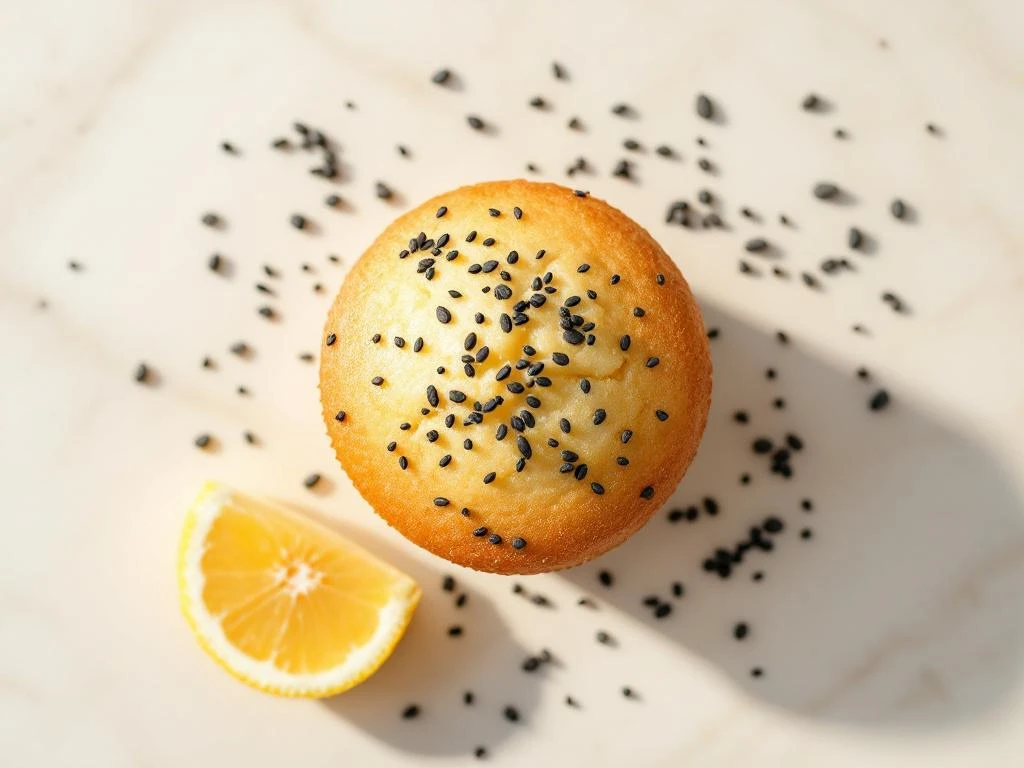
Learning to bake gluten-free lemon poppy seed muffins opens up a world of delicious possibilities for anyone following a low FODMAP diet. These IBS-friendly muffins deliver bright citrus flavour and tender crumb without triggering digestive symptoms. You’ll need about 45 minutes total, including 25 minutes of baking time.
This recipe works for beginners with basic baking experience. You’ll need standard kitchen equipment like mixing bowls, measuring cups, a muffin tin, and an oven. All ingredients are readily available at most supermarkets or health food shops.
By the end, you’ll have a batch of fresh, bakery-quality muffins that are safe for your digestive system. You’ll also understand the techniques that make gluten-free baking successful.
Why these gluten-free lemon poppy seed muffins work
These muffins succeed where many gluten-free recipes fail because they use a carefully balanced flour blend. Gluten-free flours behave differently than wheat flour, so getting the right combination matters. A good blend typically includes rice flour, potato starch, and tapioca flour to mimic the structure that gluten normally provides.
The low FODMAP approach means avoiding high-FODMAP ingredients like wheat, honey, and regular milk. Instead, this recipe uses lactose-free dairy alternatives and suitable sweeteners like caster sugar. Fresh lemon provides natural flavour without adding FODMAPs, whilst poppy seeds add texture and visual appeal.
For anyone managing IBS, these muffins offer a safe breakfast or snack option. You won’t need to worry about digestive discomfort after eating them. The gluten-free and lactose-free approach addresses two common trigger foods whilst maintaining the light, fluffy texture you expect from quality muffins.
Ingredients you’ll need for perfect muffins
Start with 250g gluten-free flour blend. Look for a pre-mixed blend that contains xanthan gum, which helps bind the ingredients. If your blend doesn’t include it, add half a teaspoon separately.
You’ll need 2 large fresh lemons for both zest and juice. Choose lemons with smooth, bright yellow skin. They should feel heavy for their size, which indicates plenty of juice inside.
Gather these additional ingredients:
- 150g caster sugar
- 2 large eggs at room temperature
- 125ml lactose-free milk
- 80ml vegetable oil or melted lactose-free butter
- 2 tablespoons poppy seeds
- 2 teaspoons baking powder
- Half a teaspoon salt
- 1 teaspoon vanilla extract
Suitable substitutions include using lactose-free yoghurt thinned with a bit of water instead of milk. You can replace the oil with melted coconut oil if you prefer. The vanilla extract can be swapped for almond extract for a different flavour profile, though check that it’s gluten-free certified.
Prepare your ingredients and equipment
Preheat your oven to 180°C (350°F or Gas Mark 4). Line a 12-cup muffin tin with paper cases or grease it well with lactose-free butter. Proper preparation prevents sticking and ensures even baking.
Wash both lemons thoroughly under warm water. Use a fine grater or zester to remove the yellow zest, avoiding the bitter white pith underneath. You’ll need about 2 tablespoons of zest. Then cut the lemons in half and juice them. Strain out any seeds and measure 60ml of juice.
Set out two large mixing bowls. In gluten-free baking, keeping wet and dry ingredients separate until the right moment prevents overmixing. Also prepare your measuring cups, spoons, a whisk, and a rubber spatula.
Measure your gluten-free flour carefully. Spoon it into the measuring cup and level it off with a knife rather than scooping directly from the bag. Scooping can compact the flour and throw off your measurements, leading to dense muffins.
Bring your eggs and lactose-free milk to room temperature if they’ve been refrigerated. Cold ingredients don’t combine as smoothly and can create a lumpy batter.
Mix the batter for light, fluffy muffins
Combine the dry ingredients in your larger bowl. Whisk together the gluten-free flour, baking powder, salt, and poppy seeds. Whisking aerates the flour and distributes the leavening agent evenly. This step takes about 30 seconds of vigorous whisking.
In the second bowl, whisk the eggs and sugar together until the mixture looks pale and slightly thickened. This usually takes a minute of steady whisking. Add the oil, lactose-free milk, lemon juice, lemon zest, and vanilla extract. Whisk until everything combines smoothly.
Pour the wet ingredients into the dry ingredients all at once. Use your rubber spatula to fold them together with gentle strokes. Stop mixing as soon as you no longer see dry flour. The batter should look slightly lumpy, which is perfectly normal for gluten-free muffins.
Overmixing is the most common mistake in gluten-free baking. Without gluten to provide structure, overmixed batter becomes gummy and dense. About 15 to 20 gentle folds should be enough. A few small lumps won’t affect the final result.
The batter should be thick but pourable, similar to thick pancake batter. If it seems too thick, add a tablespoon of lactose-free milk. If it’s too thin, that’s usually fine as gluten-free batters tend to be looser than wheat-based ones.
Bake and test for perfect doneness
Divide the batter evenly among your 12 muffin cups. Fill each about two-thirds full, which allows room for the muffins to rise without overflowing. An ice cream scoop works brilliantly for portioning the batter evenly.
Place the tin in the centre of your preheated oven. Bake for 20 to 25 minutes without opening the oven door. Opening the door early can cause the muffins to sink as they lose heat suddenly.
Watch for these visual cues that indicate doneness. The tops should turn golden brown and spring back when you gently press them. The edges will start to pull away slightly from the sides of the cups.
Test doneness by inserting a wooden toothpick or skewer into the centre of a muffin. It should come out clean or with just a few moist crumbs attached. If you see wet batter, bake for another 3 to 5 minutes and test again.
Remove the tin from the oven and let the muffins cool in the tin for 5 minutes. This brief cooling period allows them to set properly. Then transfer them to a wire cooling rack. Leaving them in the hot tin too long can make the bottoms soggy from trapped steam.
Let the muffins cool completely before storing them. Warm muffins release moisture that can make them sticky or encourage mould growth if you seal them too soon.
Storage tips to keep muffins fresh
Store completely cooled muffins in an airtight container at room temperature. They’ll stay fresh for 2 to 3 days this way. Place a piece of kitchen paper in the bottom of the container to absorb any excess moisture.
For longer storage, refrigerate the muffins in an airtight container. They’ll keep for up to a week in the fridge. Gluten-free baked goods often dry out faster than wheat-based ones, so proper sealing matters more.
Freezing works brilliantly for these low FODMAP muffins. Wrap each muffin individually in cling film, then place them all in a freezer bag. They’ll maintain quality for up to 3 months frozen. Individual wrapping prevents freezer burn and lets you defrost only what you need.
To reheat refrigerated muffins, microwave one for 15 to 20 seconds. For frozen muffins, defrost at room temperature for an hour or microwave for 30 to 45 seconds. You can also refresh them in a 160°C oven for 5 minutes to restore that just-baked texture.
These gluten-free lemon poppy seed muffins prove that following a low FODMAP diet doesn’t mean sacrificing delicious baked treats. The bright lemon flavour and tender crumb make them perfect for breakfast, snacks, or even dessert. Once you master this technique, you can adapt it to create other IBS-friendly muffin varieties using different low FODMAP flavourings.
Gluten-free lemon poppy seed muffins
Cooking Time: 45 minutes | Portions: 12 muffins
Ingredients:
- 250g gluten-free flour blend (with xanthan gum)
- 150g caster sugar
- 2 tablespoons poppy seeds
- 2 teaspoons baking powder
- Half teaspoon salt
- 2 large eggs (room temperature)
- 125ml lactose-free milk
- 80ml vegetable oil
- Zest and juice of 2 lemons (about 60ml juice)
- 1 teaspoon vanilla extract
Method:
- Preheat oven to 180°C and line a 12-cup muffin tin with paper cases
- Zest and juice the lemons, then set aside
- Whisk together flour, baking powder, salt, and poppy seeds in a large bowl
- In a separate bowl, whisk eggs and sugar until pale, then add oil, milk, lemon juice, zest, and vanilla
- Pour wet ingredients into dry ingredients and fold gently until just combined (batter will be lumpy)
- Divide batter evenly among muffin cups, filling each two-thirds full
- Bake for 20 to 25 minutes until golden and a toothpick comes out clean
- Cool in tin for 5 minutes, then transfer to a wire rack to cool completely
- Store in an airtight container at room temperature for 2 to 3 days, refrigerate for up to a week, or freeze for up to 3 months
This recipe is for informational purposes only and is not medical or dietary advice. Please consult a healthcare professional before making any changes to your diet.