
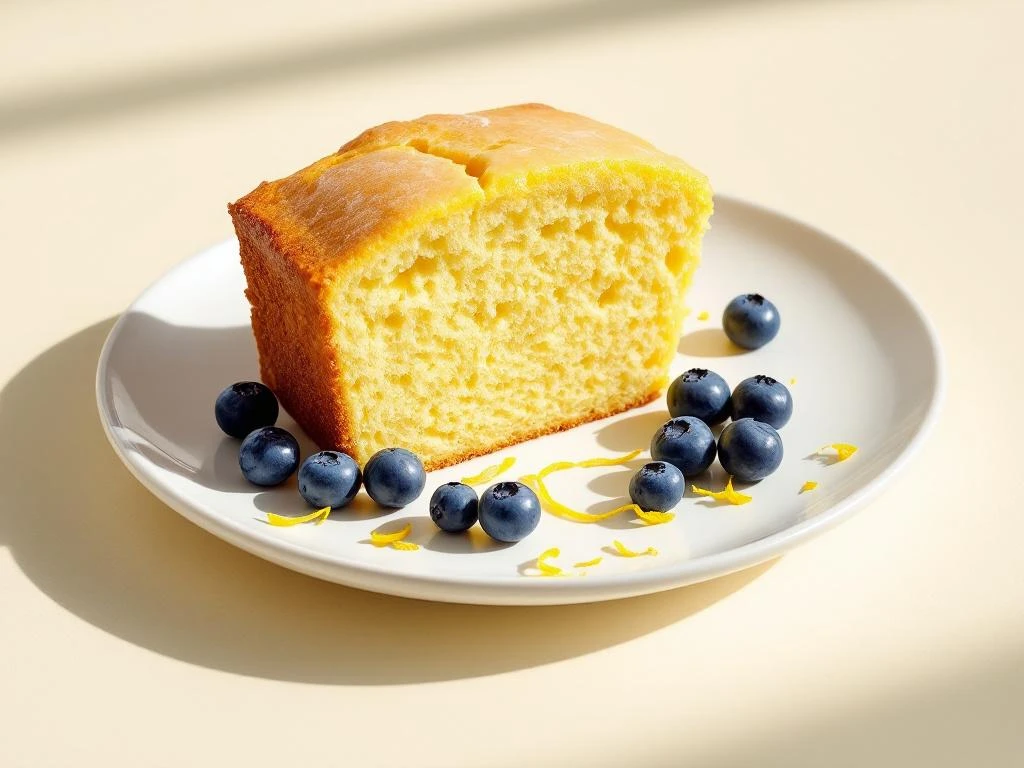
Baking gluten-free bread can feel tricky, especially when you want a moist, flavourful loaf that won’t trigger IBS symptoms. This gluten-free lemon blueberry bread solves that problem with simple ingredients and straightforward techniques. You’ll need about 20 minutes to prepare the batter and 50 minutes for baking. This recipe is beginner-friendly and requires basic baking equipment you likely already own. The result is a tender, citrusy loaf studded with juicy blueberries that works perfectly for breakfast or snacking whilst keeping your digestive system happy.
Why this gluten-free lemon blueberry bread works
Gluten-free baking often produces dry, crumbly results because you’re missing the protein structure that wheat provides. This recipe addresses that challenge by combining multiple gluten-free flours and adding moisture-rich ingredients like yoghurt and oil. The blend creates a tender crumb that holds together beautifully.
Lemon and blueberry make an ideal pairing for low FODMAP baking. Fresh lemon juice and zest add bright flavour without any high FODMAP ingredients, whilst blueberries remain safe in moderate portions. The citrus also helps activate the leavening agents for better rise.
This IBS-friendly bread recipe uses lactose-free yoghurt and carefully measured portions of blueberries to stay within low FODMAP limits. You’ll get a moist, cake-like texture with bursts of berry sweetness in every slice. The bread stays fresh for several days and actually improves slightly as the flavours develop.
Gather your ingredients and baking tools
For the dry ingredients, you’ll need 200g gluten-free flour blend (look for one containing xanthan gum), 150g caster sugar, 2 teaspoons baking powder, and a pinch of salt. Most supermarkets stock suitable gluten-free flour blends in their free-from sections.
The wet ingredients include 3 large eggs, 125ml lactose-free natural yoghurt, 80ml vegetable oil, the zest of 2 lemons, and 60ml fresh lemon juice. Use room temperature eggs for better mixing. You’ll also need 150g fresh or frozen blueberries (if using frozen, don’t thaw them).
Essential equipment includes a 900g loaf tin, mixing bowls, measuring cups and spoons, a whisk, a spatula, and baking parchment. Lining your tin with parchment prevents sticking and makes removing the finished loaf much easier.
If your gluten-free flour blend doesn’t contain xanthan gum, add 1 teaspoon to your dry ingredients. This binding agent replaces gluten’s structure and prevents your bread from falling apart. You can find xanthan gum in the baking aisle or order it online.
Ingredient substitutions that work
Swap the vegetable oil for melted coconut oil or light olive oil if you prefer. The yoghurt can be replaced with lactose-free sour cream for extra richness. For a dairy-free version, use plant-based yoghurt made from coconut or almond (check FODMAP portions for your chosen alternative).
Can’t find fresh blueberries? Frozen ones work perfectly and often cost less. You can also try raspberries or small strawberry pieces, keeping the total berry weight at 150g to maintain low FODMAP compliance.
Prepare the batter in simple steps
Preheat your oven to 180°C (160°C fan) and line your loaf tin with baking parchment. Leave some overhang on the sides so you can lift the finished bread out easily.
Combine your gluten-free flour, sugar, baking powder, and salt in a large bowl. Whisk these dry ingredients together thoroughly to distribute the baking powder evenly. This step prevents pockets of bitter baking powder in your finished bread.
In a separate bowl, whisk the eggs until slightly frothy. Add the yoghurt, oil, lemon zest, and lemon juice. Mix until smooth and well combined. The mixture might look slightly curdled from the lemon juice, which is completely normal.
Pour the wet ingredients into the dry ingredients. Use a spatula to fold them together with gentle strokes. Stop mixing as soon as you don’t see any dry flour. Overmixing gluten-free batter can make your bread gummy and dense.
Adding blueberries properly
Toss your blueberries with 1 tablespoon of gluten-free flour before adding them to the batter. This coating helps prevent them from sinking to the bottom during baking. Gently fold the coated berries into the batter with just a few strokes.
Reserve about 10 blueberries to press into the top of the batter once it’s in the tin. This creates an attractive finish and ensures berries throughout the loaf. Pour the batter into your prepared tin and smooth the top with your spatula.
Bake and test for perfect doneness
Place your loaf tin in the centre of the preheated oven. Bake for 50 to 55 minutes without opening the oven door for at least the first 40 minutes. Opening it early can cause the bread to collapse as it hasn’t set yet.
The bread is done when the top turns golden brown and springs back lightly when touched. A skewer inserted into the centre should come out clean or with just a few moist crumbs. If you see wet batter on the skewer, bake for another 5 minutes and test again.
Watch for these visual cues: the edges should pull slightly away from the tin, the top should have a gentle dome shape, and you might see small cracks on the surface. These are all signs of proper baking.
Cooling and storing your bread
Leave the bread in the tin for 10 minutes after removing it from the oven. This resting time helps it firm up and prevents breaking when you remove it. Use the parchment overhang to lift the loaf onto a wire rack.
Cool completely before slicing, which takes about an hour. Cutting warm gluten-free lemon bread often results in a gummy texture and uneven slices. Once cool, the bread slices cleanly and maintains its structure.
Store your bread wrapped in cling film or in an airtight container at room temperature for up to 3 days. It also freezes beautifully for up to 3 months. Slice before freezing so you can take out individual portions as needed.
Troubleshooting common issues
If your bread sinks in the middle, you likely opened the oven too early or the batter was overmixed. Make sure your baking powder is fresh, as old leavening agents lose their effectiveness. Check the expiry date before you start baking.
Dense, heavy texture usually means too much liquid or not enough baking powder. Measure your ingredients carefully, especially the flour. Gluten-free flours can vary in density, so weighing them gives more consistent results than using cup measurements.
Dry bread happens when you overbake or use too much flour. Set a timer and check for doneness at the minimum time. Remember that gluten-free breads continue cooking slightly as they cool, so slightly underdone is better than overdone.
This easy gluten-free bread brings together bright lemon flavour and sweet blueberries in a tender, moist loaf that supports your digestive health. The straightforward method works reliably every time, giving you confidence in your low FODMAP baking skills. You can adapt this basic recipe by trying different citrus fruits or berries whilst keeping the same proportions.
Gluten-free lemon blueberry bread
Cooking Time: 50-55 minutes | Portions: 10 slices
- 200g gluten-free flour blend (with xanthan gum)
- 150g caster sugar
- 2 teaspoons baking powder
- Pinch of salt
- 3 large eggs (room temperature)
- 125ml lactose-free natural yoghurt
- 80ml vegetable oil
- Zest of 2 lemons
- 60ml fresh lemon juice
- 150g blueberries (fresh or frozen)
Steps:
- Preheat oven to 180°C (160°C fan) and line a 900g loaf tin with parchment
- Whisk together flour, sugar, baking powder, and salt in a large bowl
- In another bowl, whisk eggs, then add yoghurt, oil, lemon zest, and juice
- Fold wet ingredients into dry ingredients until just combined
- Toss blueberries with 1 tablespoon flour, then gently fold into batter
- Pour into prepared tin and press reserved berries on top
- Bake 50-55 minutes until golden and a skewer comes out clean
- Cool in tin for 10 minutes, then transfer to a wire rack to cool completely
This recipe is for informational purposes only and is not medical or dietary advice. Please consult a healthcare professional before making any changes to your diet.