
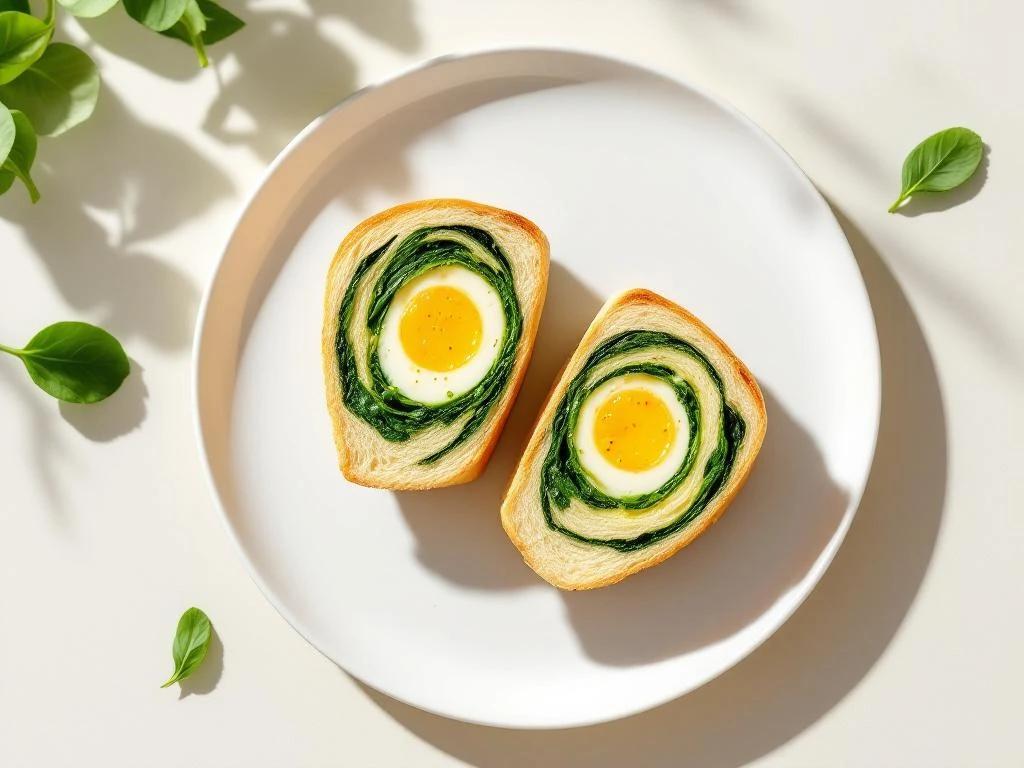
Managing IBS symptoms doesn’t mean settling for boring breakfasts. This egg and spinach breakfast roll gives you a quick, satisfying meal that’s gentle on your digestive system. You’ll learn how to make a low FODMAP breakfast roll that takes about 10 minutes to prepare and cook. This guide is perfect for beginners who want a healthy breakfast wrap without triggering IBS symptoms.
You’ll need basic kitchen equipment (a frying pan and spatula), a few simple ingredients (eggs, fresh spinach, and low FODMAP bread), and about 10 minutes of your time. The result is a delicious, IBS friendly breakfast that you can customise to your taste while keeping your gut happy.
Why this egg and spinach roll works for IBS
This spinach egg roll recipe fits perfectly into a low FODMAP diet because it uses ingredients that are naturally gentle on your digestive system. Eggs provide high-quality protein without any FODMAPs, making them an ideal base for any IBS friendly breakfast. Fresh spinach is low FODMAP in servings up to 75g (about one cup), giving you valuable nutrients without triggering symptoms.
The nutritional benefits go beyond just being gut-friendly. Eggs contain essential amino acids and vitamins that support overall health, whilst spinach delivers iron, magnesium, and folate. This combination creates a balanced meal that keeps you satisfied throughout the morning without causing digestive distress.
This easy breakfast roll works particularly well for IBS management because it’s simple and predictable. You control every ingredient, avoiding hidden triggers that often hide in shop-bought breakfast items. The warm, cooked ingredients are also easier to digest than raw alternatives, making this low FODMAP egg recipe a smart choice for sensitive stomachs.
Gather your low FODMAP ingredients and tools
For the filling, you’ll need 2 large eggs, 1 cup of fresh baby spinach (about 75g), 1 tablespoon of olive oil or garlic-infused oil, and salt and pepper to taste. Choose fresh spinach rather than frozen for better texture in your spinach breakfast wrap.
The bread or wrap requires careful selection. Look for certified low FODMAP bread, gluten free sourdough bread (properly fermented), or corn tortillas. Check ingredient lists for high FODMAP items like wheat, honey, or inulin. Many gluten free options work well, but always verify they don’t contain high FODMAP ingredients like apple juice or agave syrup.
Your kitchen tools are straightforward. Grab a non-stick frying pan, a silicone spatula, a small bowl for whisking eggs, a fork or small whisk, and a plate for assembly. If you’re warming your bread, you might also want a toaster or a second pan.
Safe ingredient substitutions include using lactose-free cheese (in small amounts), switching olive oil for butter alternatives made from suitable oils, or replacing spinach with rocket (arugula) in similar portions. Keep substitutions simple to maintain low FODMAP compliance.
Prepare and cook the spinach egg filling
Heat your frying pan over medium heat and add the olive oil. Let it warm for about 30 seconds until it moves easily across the pan. Add your fresh spinach to the pan and stir gently with your spatula. The spinach will wilt down significantly in about 1 to 2 minutes. You’ll know it’s ready when the leaves are soft and reduced to roughly one-quarter of their original volume.
Whilst the spinach wilts, crack your eggs into the small bowl. Add a pinch of salt and pepper, then whisk with a fork until the yolks and whites are completely combined. You should see a uniform yellow colour with no streaks of clear egg white remaining.
Push the wilted spinach to one side of the pan. Pour the whisked eggs into the empty space. Let them sit undisturbed for about 20 seconds until the edges start to set. Then, using your spatula, gently push the cooked edges towards the centre, tilting the pan to let uncooked egg flow to the edges. Continue this process for about 2 to 3 minutes.
When the eggs are mostly cooked but still slightly glossy on top, mix them with the spinach. Remove the pan from heat immediately. The eggs will continue cooking from residual heat, so taking them off whilst slightly underdone prevents them from becoming rubbery. Your filling should look creamy and soft, not dry or brown.
Assemble your breakfast roll properly
If you’re using bread, warm it slightly in a toaster or dry pan for about 30 seconds per side. This makes it more pliable and less likely to tear. For wraps or tortillas, warm them in a dry pan for 10 to 15 seconds per side until they’re soft and flexible.
Place your warmed bread or wrap on a clean plate. Spoon the egg and spinach mixture onto the centre, leaving about 2cm of space at the edges. Don’t overfill, as this makes rolling difficult and messy. About two-thirds of your filling should fit comfortably on one piece of bread or wrap.
For a traditional roll, fold the bottom edge up over the filling, then fold in both sides. Roll away from yourself, keeping gentle pressure to create a tight roll without squeezing out the filling. If you’re making a sandwich-style breakfast roll, simply place a second piece of bread on top and press gently.
Optional low FODMAP additions at this stage include a small amount of lactose-free cheddar (about 20g), fresh chives snipped over the filling, or a light spread of garlic-infused oil on the bread before adding the filling. These extras enhance flavour whilst maintaining gut-friendly status.
Customise with low FODMAP variations
Safe cheese options include lactose-free cheddar, Swiss cheese, or feta in small portions (about 20 to 30g). These add richness without introducing high FODMAP ingredients. Add cheese to the pan during the last 30 seconds of cooking so it melts slightly into the eggs.
Fresh herbs transform this quick breakfast roll into something special. Chives, parsley, and basil are all low FODMAP and add bright flavour. Chop about 1 tablespoon of your chosen herb and mix it into the whisked eggs before cooking. Dried herbs work too, use about 1 teaspoon of oregano or thyme for a different flavour profile.
Vegetable additions require attention to FODMAP limits. Try diced tomato (about half a medium tomato), sliced red pepper (up to half a pepper), or grated courgette (about 2 tablespoons). Cook these vegetables in the pan before adding the spinach to ensure they’re tender and won’t make your roll soggy.
Protein additions boost the staying power of your healthy breakfast wrap. Cooked bacon or ham (check for high FODMAP additives), tinned tuna, or cooked chicken breast all work well. Add about 30 to 50g of cooked protein to the filling after the eggs are done.
If you’re in the reintroduction phase, this recipe offers good testing opportunities. Try adding a small amount of avocado (one-eighth of a fruit), a thin slice of regular bread instead of low FODMAP varieties, or a small amount of regular cheese. Test one new ingredient at a time and keep portions small to accurately assess your tolerance.
Egg and spinach breakfast roll
Cooking time: 10 minutes | Portions: 1 serving
- 2 large eggs
- 1 cup fresh baby spinach (75g)
- 1 tablespoon olive oil or garlic-infused oil
- 1 piece low FODMAP bread, gluten free sourdough, or corn tortilla
- Salt and pepper to taste
Steps:
- Heat oil in a non-stick pan over medium heat
- Add spinach and cook for 1 to 2 minutes until wilted
- Whisk eggs with salt and pepper in a small bowl
- Pour eggs into pan and cook for 2 to 3 minutes, stirring gently
- Mix eggs with spinach when mostly cooked, then remove from heat
- Warm bread or wrap for 30 seconds
- Place filling in centre of bread, leaving 2cm at edges
- Roll up tightly or fold into a sandwich
- Serve immediately whilst warm
This recipe is for informational purposes only and is not medical or dietary advice. Please consult a healthcare professional before making any changes to your diet.