
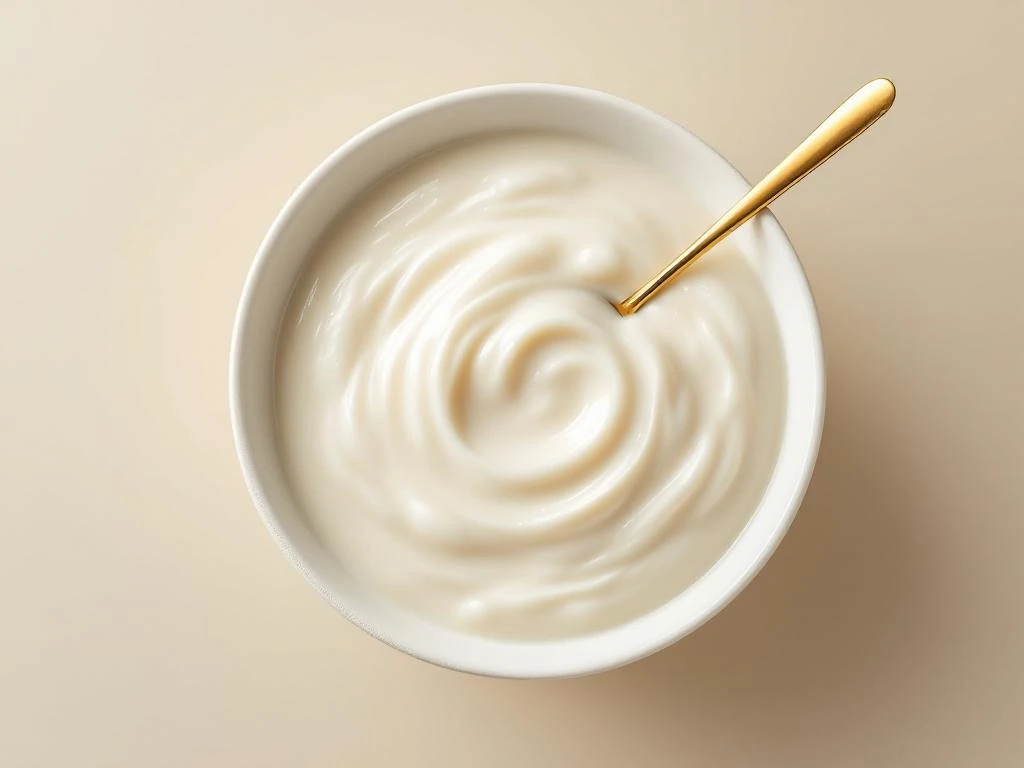
Making breakfast when you have IBS can feel like walking through a minefield. You want something comforting and satisfying, but you’re worried about triggering symptoms. A creamy coconut milk rice porridge solves this problem beautifully. It’s gentle on your digestive system, keeps you full until lunch, and tastes delicious without any of the worry.
This recipe is perfect for beginners. You’ll need about 25 minutes from start to finish, with most of that time being gentle stirring. The ingredients are simple and widely available, and the technique is straightforward. You’ll learn how to create a creamy, FODMAP friendly breakfast that becomes a reliable part of your morning routine.
You’ll need basic kitchen equipment like a medium pot, measuring cups, and a wooden spoon. The key ingredients are jasmine or basmati rice, canned coconut milk, and a few safe sweeteners and spices. By the end, you’ll have a warm, comforting bowl of porridge that supports your digestive health whilst delivering sustained energy throughout your morning.
Why coconut milk rice porridge works for IBS
Coconut milk rice porridge fits perfectly into a low FODMAP diet because both main ingredients are naturally safe for sensitive digestive systems. White rice contains no FODMAPs and is one of the easiest grains to digest. Coconut milk (the canned variety) is also low FODMAP in reasonable portions, making this combination ideal for IBS sufferers.
The gentle, creamy texture of this porridge makes it particularly soothing for your gut. Unlike dairy based porridges that can trigger lactose intolerance symptoms, this dairy free rice porridge uses coconut milk to create that comforting creaminess without any digestive upset. The rice breaks down into a soft, easy to digest consistency that won’t stress your system early in the morning.
This IBS friendly breakfast provides sustained energy without the blood sugar spikes that can worsen digestive symptoms. The combination of rice and coconut milk delivers complex carbohydrates and healthy fats that keep you satisfied for hours. You won’t experience the mid-morning energy crash that often comes with high sugar breakfast options, and your gut stays calm and comfortable throughout the morning.
Gather your ingredients and equipment
For the low FODMAP rice porridge, you’ll need these specific ingredients. Use 100g of jasmine rice or basmati rice (both are low FODMAP and create excellent texture). You’ll need 400ml of canned coconut milk plus 200ml of water for the right consistency. For sweetness, use 2 tablespoons of maple syrup or brown sugar (both low FODMAP in these amounts). Add a pinch of salt and half a teaspoon of vanilla extract if desired.
Your spice options include half a teaspoon of ground cinnamon or a pinch of ground ginger (both low FODMAP and add warmth). Avoid using large amounts of cinnamon as it can become high FODMAP above 1 teaspoon. Keep your portions measured to maintain digestive safety whilst enjoying flavour.
The required kitchen equipment is minimal and straightforward. You need a medium sized heavy bottomed pot or saucepan (this prevents burning and ensures even cooking). Get out your measuring cups and spoons for accuracy, a wooden spoon or silicone spatula for stirring, and a serving bowl. Having everything ready before you start makes the process smooth and stress free.
For ingredient substitutions, you can swap jasmine rice for arborio rice if you prefer a thicker, creamier texture similar to rice pudding. If you can’t find canned coconut milk, use a carton variety but check it’s full fat for the best creaminess. Replace maple syrup with glucose syrup or a small amount of white sugar if needed. All these swaps maintain the low FODMAP status of your gluten free rice porridge.
Cook the perfect creamy coconut rice porridge
Rinse your rice under cold water until the water runs clear. This removes excess starch and prevents your porridge from becoming gummy. Drain the rice well and set it aside whilst you prepare your pot.
Pour the coconut milk and water into your pot and place it over medium heat. Stir gently to combine the liquids. When you see small bubbles forming around the edges (not a full boil), add your rinsed rice and the pinch of salt. Stir everything together and reduce the heat to low.
The rice to liquid ratio is crucial for achieving the right texture. You’re using 100g rice to 600ml total liquid (400ml coconut milk plus 200ml water). This creates a creamy but not too thick consistency. If you prefer thicker porridge, reduce the water to 100ml. For a thinner result, add an extra 100ml of water.
Set a timer for 20 minutes. During this time, stir the porridge every 3 to 4 minutes. This frequent stirring is important because it prevents the rice from sticking to the bottom and burning. It also helps release the starches that create that lovely creamy texture. Use a wooden spoon and scrape the bottom of the pot with each stir.
After 15 minutes, check your texture. The rice should be soft and tender when you press a grain between your fingers. The liquid should have thickened considerably but still have a pourable consistency. If the mixture looks too thick, add 50ml of water and stir well. If it’s too thin, continue cooking for another 5 minutes with the lid off.
At the 20 minute mark, taste a spoonful. The rice should be completely cooked with no hard centre. The porridge should coat the back of your spoon and slowly drip off. Add your sweetener and any spices now, stirring them in thoroughly. Cook for another 2 minutes to let the flavours blend.
Remove the pot from heat and let it sit for 2 minutes. The porridge will thicken slightly as it cools. If it becomes too thick, stir in a splash of water or coconut milk. Your coconut milk porridge recipe is now ready to customise and serve.
Customise with low FODMAP toppings and flavours
Safe fruit toppings add natural sweetness and variety to your coconut rice pudding. Use up to 20 strawberries (hulled and sliced), one medium banana (sliced), or 75g of blueberries per serving. These portions keep you within low FODMAP limits whilst adding colour and fresh flavour. A small handful of raspberries (about 60g) also works beautifully and adds a tart contrast to the sweet porridge.
For crunch and healthy fats, sprinkle on some low FODMAP nuts and seeds. One tablespoon of pumpkin seeds, one tablespoon of sunflower seeds, or 10 walnut halves are all safe choices. You can also use up to 10 pecan halves or a small handful (about 20g) of macadamia nuts. Avoid cashews and pistachios as these are high FODMAP even in small amounts.
Additional flavour boosters include a drizzle of extra maple syrup, a sprinkle of shredded coconut (unsweetened), or a small amount of dark chocolate chips (check they’re dairy free). One tablespoon of nut butter made from low FODMAP nuts like peanut or almond butter adds protein and richness. Spread it on top and let it melt into the warm porridge.
Create flavour combinations that excite your taste buds whilst staying digestive system friendly. Try banana slices with a sprinkle of cinnamon and pumpkin seeds for a warming autumn bowl. Combine strawberries with shredded coconut and a few dark chocolate chips for a dessert like breakfast. Mix blueberries with a drizzle of maple syrup and chopped walnuts for an antioxidant rich start to your day.
Watch your portion sizes carefully to maintain the low FODMAP status of your meal. Stick to one type of fruit per serving rather than mixing multiple fruits, as this helps you control total FODMAP load. Keep nut and seed toppings to one or two tablespoons maximum. This approach lets you enjoy variety throughout the week without risking symptoms.
You now have a reliable, comforting breakfast that supports your digestive health without sacrificing taste or satisfaction. This FODMAP friendly breakfast becomes even easier the second time you make it, and you’ll soon have your own favourite topping combinations. The basic porridge keeps well in the fridge for up to three days, so you can make a larger batch and reheat portions as needed throughout your week.
Coconut milk rice porridge
Cooking time: 25 minutes | Portions: 2 servings
- 100g jasmine or basmati rice (rinsed well)
- 400ml canned coconut milk (full fat)
- 200ml water
- 2 tablespoons maple syrup or brown sugar
- Pinch of salt
- ½ teaspoon ground cinnamon (optional)
- ½ teaspoon vanilla extract (optional)
Method:
- Rinse rice under cold water until water runs clear, then drain
- Combine coconut milk and water in a medium pot over medium heat
- When liquid starts to bubble at edges, add rice and salt
- Reduce heat to low and cook for 20 minutes, stirring every 3 to 4 minutes
- Check texture at 15 minutes (rice should be soft, mixture should be creamy)
- Add sweetener and spices at 20 minutes, cook for 2 more minutes
- Remove from heat and let sit for 2 minutes before serving
- Top with low FODMAP fruits, nuts, or seeds as desired
This recipe is for informational purposes only and is not medical or dietary advice. Please consult a healthcare professional before making any changes to your diet.