
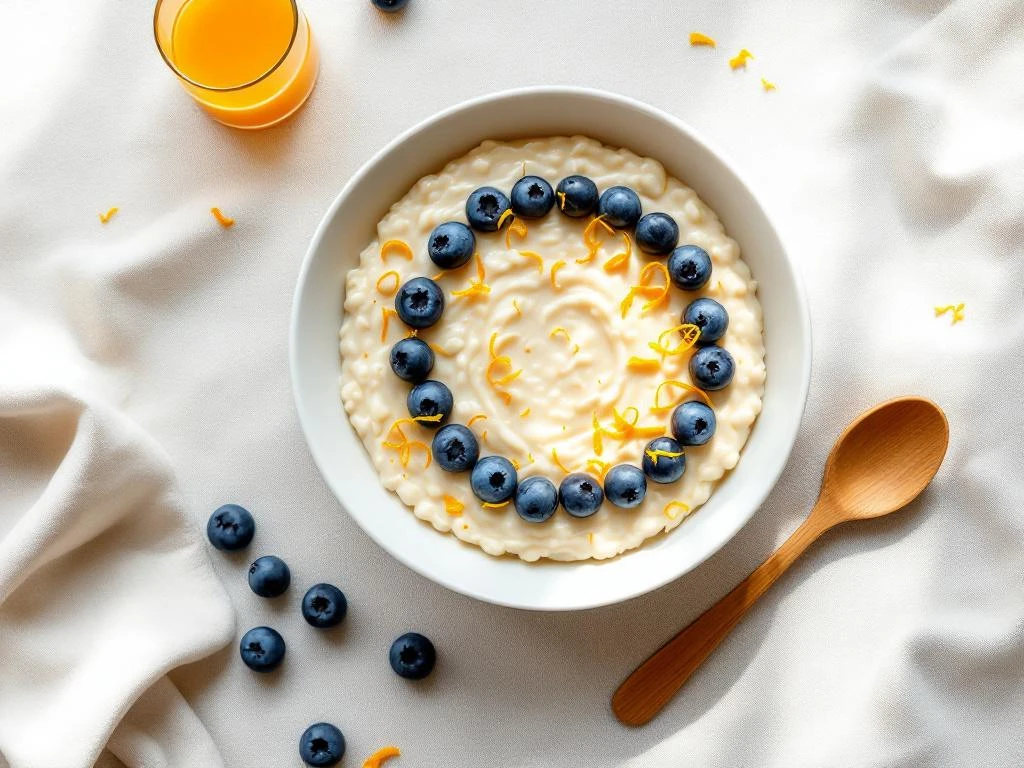
Blueberry orange overnight oats offer a simple solution for anyone following a low FODMAP diet who needs a quick, gentle breakfast option. This no cook breakfast takes just five minutes to prepare the night before, making it perfect for busy mornings when digestive comfort matters most. The recipe works well for those with IBS because it uses FODMAP friendly ingredients in safe portions while delivering fresh, bright flavours.
This guide is suitable for complete beginners with no cooking experience required. You’ll need about five minutes of active preparation time, plus overnight refrigeration. The recipe stores well for up to five days, making it an excellent healthy breakfast meal prep option.
You’ll need basic kitchen tools including a jar or container with a lid, measuring cups, and a zester or fine grater. The ingredients are straightforward: gluten free oats, lactose free milk, fresh blueberries, orange zest, and your choice of low FODMAP sweetener. By the end, you’ll have a ready to eat breakfast that supports your digestive health without sacrificing taste or convenience.
Why blueberry orange overnight oats work for sensitive stomachs
Overnight oats benefit digestive health because the soaking process breaks down some of the starches in oats, making them easier to digest. The cold preparation method also preserves nutrients while creating a creamy texture without adding heavy ingredients that might trigger symptoms.
This blueberry orange combination stays low FODMAP friendly when you follow proper portion sizes. Blueberries contain lower amounts of FODMAPs compared to many other fruits, and a quarter cup serving per person remains safe for most people following the diet. Fresh orange zest adds bright flavour without the higher FODMAP content found in large amounts of orange juice.
The preparation method supports gut comfort because everything stays cold, avoiding any cooking processes that might concentrate problematic compounds. The oats absorb liquid slowly overnight, creating a gentle texture that’s easy on sensitive digestive systems.
Blueberries provide antioxidants and fibre that support overall gut health, while oranges contribute vitamin C and additional soluble fibre. Both ingredients work together in this easy overnight oats recipe to create a balanced breakfast that nourishes without causing discomfort. The soluble fibre in oats helps regulate digestion, making this an ideal choice for IBS management when other breakfast options might cause issues.
Gather your low FODMAP ingredients and tools
Start with certified gluten free rolled oats, not instant oats or steel cut oats. You’ll need half a cup of oats per serving. Rolled oats create the right texture after soaking overnight, while instant oats become too mushy and steel cut oats stay too firm.
Choose a lactose free milk alternative for your liquid base. Almond milk (made from almonds only, without high FODMAP additives), lactose free cow’s milk, or oat milk all work well. You’ll need three quarters of a cup per serving. Check ingredient labels carefully to avoid products with inulin, chicory root, or other FODMAP ingredients.
Ingredients per serving:
- Half cup gluten free rolled oats
- Three quarters cup lactose free milk
- Quarter cup fresh blueberries
- Half teaspoon fresh orange zest
- One tablespoon pure maple syrup (or one teaspoon sugar)
- Pinch of salt
For tools, you’ll need a jar or container with a tight fitting lid (at least 400ml capacity), standard measuring cups and spoons, and a fine grater or zester for the orange. A small spoon for mixing completes your basic setup.
Optional additions that remain FODMAP friendly include a tablespoon of chia seeds, a quarter teaspoon of vanilla extract, or a pinch of cinnamon. Keep these additions moderate to maintain the low FODMAP status of your overnight oats for IBS.
Prepare your blueberry orange overnight oats in 5 minutes
Add the oats to your jar or container as your base layer. Pour in the lactose free milk, ensuring all the oats get moistened. The proper ratio is 1 part oats to 1.5 parts liquid, which creates a creamy consistency without being too thick or soupy.
Stir in your sweetener and the pinch of salt. Mix everything together thoroughly, scraping the bottom of the container to make sure no dry oats remain stuck at the base. This initial mixing takes about 30 seconds and ensures even flavour throughout.
Zest half an orange directly over the mixture, using just the coloured outer peel and avoiding the white pith underneath. The zest contains aromatic oils that infuse the oats with bright citrus flavour. Stir the zest through the mixture.
Gently fold in the blueberries, keeping them whole rather than crushing them. Fresh blueberries work better than frozen for this recipe, as frozen berries release too much liquid and can make your oats watery. If you only have frozen berries, add them in the morning instead of the night before.
Seal the container with its lid and give it one final gentle shake to distribute ingredients evenly. Place the container in the refrigerator immediately. The oats need at least 6 hours to absorb the liquid properly, but 8 to 12 hours produces the best texture.
Your blueberry orange overnight oats are ready to eat when the oats have softened completely and absorbed most of the liquid. The mixture should look creamy rather than soupy, with a thick but spoonable consistency. You can eat them cold straight from the fridge, or let them sit at room temperature for 10 minutes if you prefer a less chilled breakfast.
Customise your overnight oats while staying low FODMAP
Swap blueberries for other low FODMAP fruits in safe portions. A quarter cup of strawberries (sliced), half a small banana (firm, not overripe), or 10 grapes (halved) all work well. Stick to one fruit choice per serving to keep FODMAP loads manageable.
Add protein with a tablespoon of smooth peanut butter or almond butter, stirred in before refrigeration. Alternatively, mix in a scoop of low FODMAP protein powder in the morning. These additions make your FODMAP friendly breakfast more substantial without triggering symptoms.
For texture variations, try adding a tablespoon of chia seeds or ground flaxseed to the base mixture. These create a thicker, more pudding like consistency. A tablespoon of chopped walnuts or pecans (added in the morning to maintain crunch) provides satisfying texture contrast.
Adjust sweetness to your preference by reducing or increasing the maple syrup. Some people find that a squeeze of fresh orange juice (one tablespoon maximum) enhances the citrus flavour without adding too much liquid. Remember that orange juice contains higher FODMAP levels in larger amounts, so keep portions small.
Change the flavour profile by replacing orange zest with lemon zest, or add a quarter teaspoon of vanilla extract. A pinch of ground cinnamon or ginger adds warmth without FODMAPs. These simple modifications let you create different versions throughout the week without getting bored.
For a thinner consistency, add an extra two tablespoons of milk in the morning and stir well. For thicker oats, reduce the initial liquid by two tablespoons or add an extra tablespoon of oats to the base mixture.
Store and meal prep your overnight oats for the week
Prepare up to five servings at once for weekday breakfasts. Use individual jars or containers rather than one large batch, as this makes portions easier to manage and keeps each serving fresh. Glass jars with tight fitting lids work better than plastic containers for maintaining freshness over several days.
Store prepared containers in the refrigerator for up to five days. Place them towards the back of the fridge where temperature stays most consistent, rather than in the door where temperature fluctuates. This helps maintain the best texture and prevents spoilage.
When batch preparing, add the oats, milk, sweetener, salt, and orange zest to each container. Wait to add fresh blueberries until the night before you plan to eat each serving. This prevents the berries from breaking down and releasing too much moisture over multiple days.
Label each container with the preparation date so you can track freshness. Overnight oats maintain their best quality for the full five days, but texture may become slightly softer by day four or five. Give each jar a quick stir before eating, as some separation is normal.
For optimal freshness, prepare your base mixture (oats, milk, zest, sweetener) on Sunday evening for the week ahead. Each night, add fresh blueberries to the next day’s serving. This approach gives you the convenience of meal prep while maintaining the best possible texture and flavour.
Avoid freezing overnight oats, as the texture becomes grainy and unpleasant after thawing. The fresh preparation method works best for this low FODMAP overnight oats recipe, and five days of refrigerated storage provides plenty of meal prep flexibility.
Fix common overnight oats texture and flavour issues
If your oats turn out too thick or dry, stir in milk one tablespoon at a time until you reach your preferred consistency. This happens when oats absorb more liquid than expected, often due to older oats or longer refrigeration times. The fix takes just a minute and works perfectly even after the oats have been refrigerated overnight.
Oats that are too thin or soupy need more absorption time or less liquid next time. For an immediate fix, stir in an extra tablespoon of oats and let the mixture sit for 15 minutes. The additional oats will absorb excess liquid. Going forward, reduce your liquid by two tablespoons or increase oats by one tablespoon.
Bland overnight oats usually need more sweetener or flavour enhancers. Add an extra half tablespoon of maple syrup, more orange zest, or a pinch of cinnamon. Taste and adjust gradually rather than adding too much at once. The flavours should be noticeable but not overwhelming.
When liquid separates and pools at the top, give the container a thorough stir. This separation is normal and doesn’t indicate a problem with your recipe. The oats settle during refrigeration, pushing liquid upward. A quick mix redistributes everything properly.
If blueberries make your oats too watery, you’ve likely used frozen berries or added too many fresh ones. Drain any excess liquid, and next time stick to the quarter cup portion of fresh berries only. You can also add berries in the morning instead of overnight to prevent moisture release.
Oats that taste slightly sour have fermented from sitting too long or being stored at inconsistent temperatures. Discard the batch if you notice any off smell or taste. Prevent this by keeping storage time to five days maximum and maintaining steady refrigerator temperature below 4°C.
For oats that seem gummy or gluey, you’ve used instant oats instead of rolled oats. Instant oats break down too much during soaking. There’s no fix for this batch, but switching to proper rolled oats will solve the problem for your next preparation.
Blueberry orange overnight oats
Preparation time: 5 minutes | Refrigeration time: 8 hours | Serves: 1
Ingredients:
- Half cup gluten free rolled oats
- Three quarters cup lactose free milk (almond, oat, or lactose free dairy)
- Quarter cup fresh blueberries
- Half teaspoon fresh orange zest
- One tablespoon pure maple syrup
- Pinch of salt
Instructions:
- Add oats to a jar or container with a lid
- Pour in lactose free milk and stir to combine
- Mix in maple syrup and salt thoroughly
- Add orange zest and stir through
- Gently fold in fresh blueberries
- Seal container and refrigerate for 8 to 12 hours
- Stir before eating and enjoy cold or at room temperature
Storage: Keeps refrigerated for up to 5 days. Prepare base mixture in advance and add fresh berries the night before eating for best results.
Customisation options: Swap blueberries for strawberries, firm banana, or grapes. Add protein with nut butter or low FODMAP protein powder. Include chia seeds for thicker texture or nuts for crunch.
This recipe is for informational purposes only and is not medical or dietary advice. Please consult a healthcare professional before making any changes to your diet.