
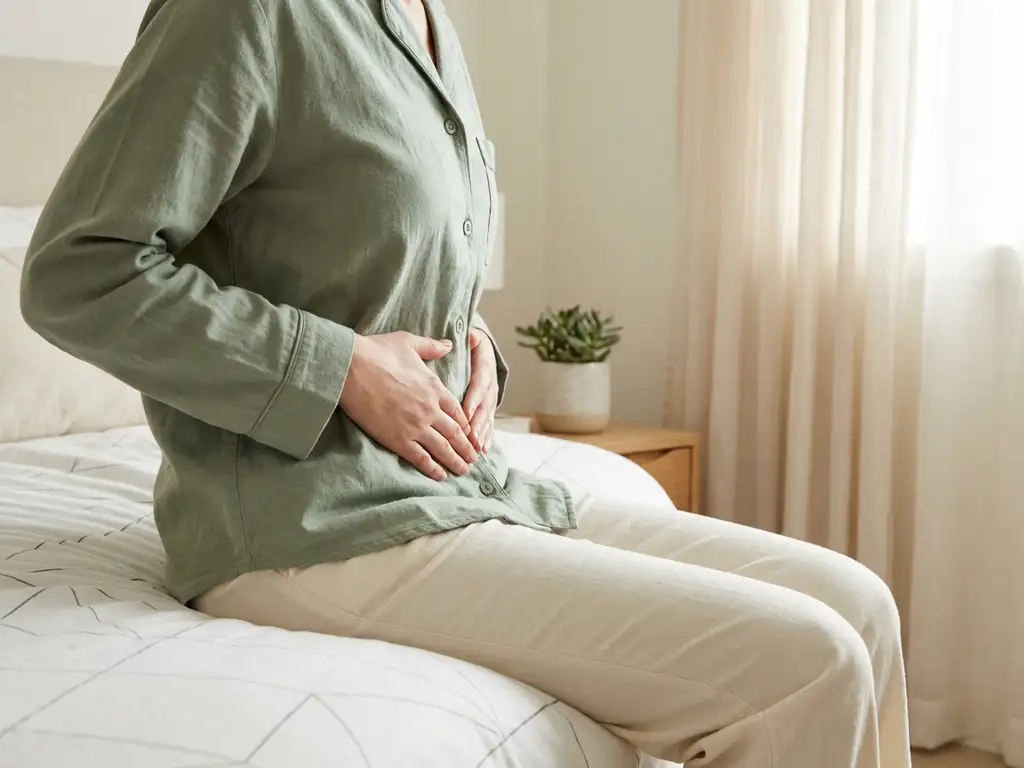
Living with IBS can be challenging, especially when abdominal pain strikes unexpectedly. Understanding where IBS pain typically occurs and how to recognize it can help you better manage your symptoms and find relief. Many people who follow a low FODMAP diet experience significant improvements in their pain levels, making this dietary approach an important part of managing IBS symptoms.
IBS pain varies from person to person, but knowing the common patterns can help you identify triggers and develop effective management strategies. Whether you’re new to IBS or looking for better ways to cope with chronic symptoms, understanding your pain patterns is the first step toward finding relief.
What Does IBS Pain Feel Like and Where Does It Start?
IBS pain typically feels like cramping, aching, or sharp, stabbing sensations in the abdomen. The pain often starts as a dull ache that can intensify into severe cramping, particularly before or during bowel movements. Most people describe it as feeling like gas trapped in their intestines or like muscle spasms in their digestive tract.
The pain usually begins gradually and can build in intensity over minutes or hours. Some people experience sudden-onset pain, while others notice a slow-building discomfort that becomes more pronounced throughout the day. The sensation can range from mild discomfort to severe pain that interferes with daily activities.
Many individuals find that their IBS pain follows predictable patterns, often occurring at similar times of day or in response to specific triggers, such as stress or certain foods. Understanding these patterns can be crucial for developing an effective management strategy, including dietary modifications such as the low FODMAP diet.
Where Is IBS Pain Most Commonly Located in the Abdomen?
IBS pain is most commonly felt in the lower left quadrant of the abdomen, particularly around the sigmoid colon. However, the pain can occur anywhere in the abdomen, including the upper abdomen, around the navel, or across the entire abdominal area. The location often depends on which part of the intestinal tract is most affected.
The lower abdomen is the most frequent site because this is where the large intestine processes waste and where many IBS symptoms originate. Pain may also concentrate around the belly button or spread across the entire lower abdomen in a band-like pattern.
Some people experience pain that moves or shifts locations throughout an episode. This mobile pain pattern is quite common with IBS and reflects the way digestive contractions move through the intestinal tract. The pain may start in one area and gradually move to another as digestion progresses.
How Can You Tell IBS Pain Apart From Other Stomach Issues?
IBS pain is typically relieved by bowel movements and is often accompanied by changes in stool frequency or consistency. Unlike other abdominal conditions, IBS pain rarely occurs during sleep and tends to improve after passing gas or having a bowel movement. The pain is also closely linked to digestive function and eating patterns.
Key distinguishing features of IBS pain include its relationship to bowel habits, its chronic nature (lasting at least three months), and its response to dietary changes. Many people notice significant improvement when following a low FODMAP diet, which specifically targets foods that can trigger IBS symptoms.
Other stomach issues, such as appendicitis, gallbladder problems, or stomach ulcers, typically present with different pain patterns. These conditions often cause steady, worsening pain that doesn’t improve with bowel movements and may be accompanied by fever, vomiting, or other severe symptoms that require immediate medical attention.
What Triggers IBS Pain and How Long Does It Last?
IBS pain is commonly triggered by high FODMAP foods, stress, hormonal changes, and certain medications. Foods containing fermentable carbohydrates, such as onions, garlic, wheat, and certain fruits, can cause significant pain in sensitive individuals. Stress and anxiety can also directly trigger pain episodes through the gut-brain connection.
The duration of IBS pain varies widely, lasting anywhere from a few minutes to several days. Most episodes last between 30 minutes and a few hours, with the pain gradually subsiding after a bowel movement or the passage of gas. Some people experience chronic, low-level pain with periodic flare-ups of more intense symptoms.
Following a structured elimination diet, such as the low FODMAP diet, can help identify specific food triggers and significantly reduce both the frequency and intensity of pain episodes. Many people find that once they identify their triggers, they can prevent most painful episodes through careful dietary management.
Can IBS Pain Spread Beyond the Stomach Area?
Yes, IBS pain can radiate to the back, chest, and pelvis due to shared nerve pathways between the digestive system and surrounding areas. The vagus nerve and other neural connections can cause referred pain that extends beyond the abdominal cavity. This referred pain is a normal part of IBS and doesn’t indicate additional health problems.
Back pain is particularly common with IBS, especially in the lower back region. The pain may feel like a deep ache or muscle tension that coincides with abdominal symptoms. Some people also experience chest discomfort or a feeling of pressure that can be concerning but is typically related to gas or digestive contractions.
Pelvic pain is another area where IBS symptoms can manifest, particularly in women. This can include pain in the lower pelvis, the hip area, or even the upper thigh. Understanding that IBS can cause pain beyond the stomach helps people recognize their symptoms and avoid unnecessary worry about other conditions.
What Are the Best Ways to Manage IBS Pain at Home?
The most effective home management strategy is following a low FODMAP diet to identify and avoid trigger foods. Heat therapy, using heating pads or warm baths, can provide immediate relief during pain episodes. Gentle exercise, such as walking or yoga, can also help reduce pain by promoting healthy digestion and reducing stress.
Stress management techniques, such as deep breathing, meditation, or progressive muscle relaxation, can significantly reduce pain frequency and intensity. Since stress directly affects gut function, managing emotional well-being is crucial for pain control.
Dietary modifications remain the cornerstone of IBS pain management. Following the low FODMAP diet protocol involves eliminating high FODMAP foods for 2-6 weeks and then systematically reintroducing them to identify personal triggers. This approach has shown remarkable success in reducing IBS symptoms for many people.
Additional helpful strategies include maintaining regular mealtimes, staying hydrated, getting adequate sleep, and keeping a symptom diary to track patterns. Over-the-counter medications, such as simethicone for gas or antispasmodics, may provide temporary relief, but dietary management typically offers the most sustainable long-term results.
This article is for informational purposes only and is not medical advice. Please consult a healthcare professional for a proper diagnosis and treatment of IBS symptoms.
Related Articles
- Gluten-Free Pumpkin Chocolate Chip Muffins
- How many poos a day is normal with IBS?
- Ham and Cheese Crustless Quiche
- Egg and Veggie Breakfast Quesadilla
- How Long Until Low FODMAP Works?