
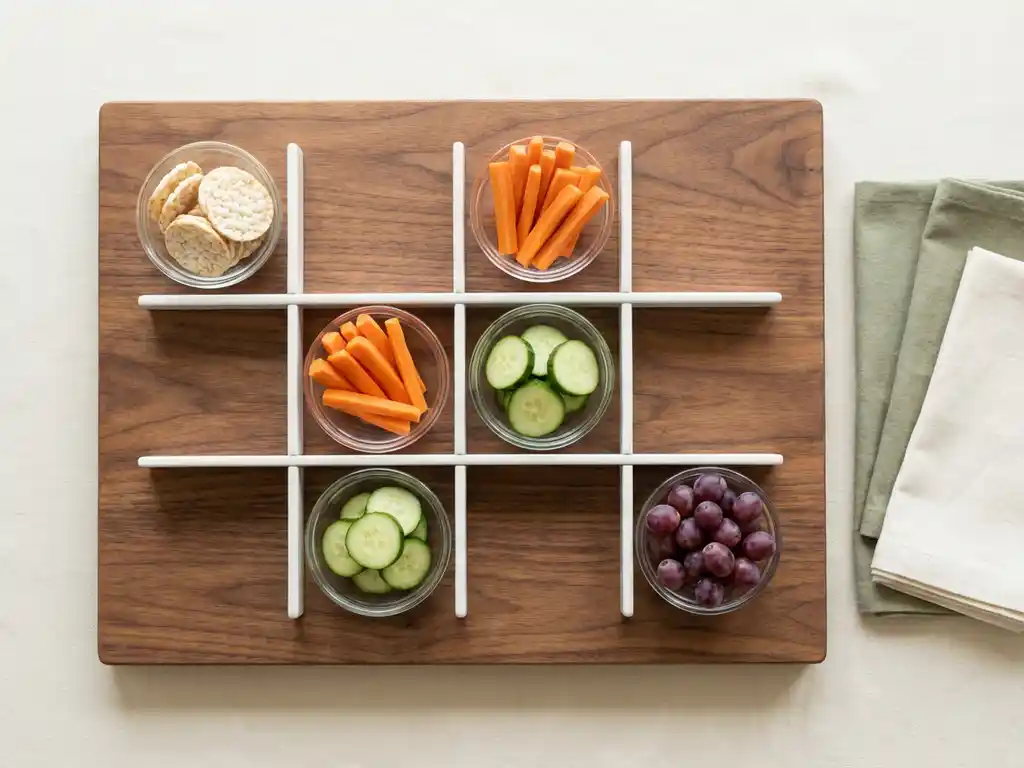
Finding suitable snacks while following a low FODMAP diet can feel challenging at first, especially since many traditional go-to options contain high FODMAP ingredients. The good news is that plenty of delicious, satisfying snacks fit perfectly within low FODMAP guidelines, allowing you to support your digestive health without sacrificing taste or convenience.
Whether you’re newly diagnosed with IBS or have been managing digestive sensitivities for years, understanding which snacks support your low FODMAP diet is essential for maintaining energy levels throughout the day while keeping symptoms at bay. From fresh fruits and vegetables to protein-rich options and even sweet treats, the world of FODMAP-friendly snacking offers more variety than you might expect.
What are low FODMAP snacks and why do they matter?
Low FODMAP snacks are foods that contain minimal amounts of fermentable oligosaccharides, disaccharides, monosaccharides, and polyols—the carbohydrates that can trigger digestive symptoms in people with IBS and other food sensitivities. These snacks help maintain stable blood sugar levels while avoiding ingredients that could cause bloating, gas, or abdominal discomfort.
The importance of choosing appropriate snacks on a low FODMAP diet extends beyond symptom management. Regular, well-planned snacking helps prevent excessive hunger that might lead to poor food choices or overeating at meals. When you have reliable snack options that won’t trigger symptoms, you can maintain consistent energy throughout the day and stick to your dietary plan more effectively.
Low FODMAP snacks also play a crucial role during the elimination phase of the diet, when you’re identifying trigger foods. Having a repertoire of safe snack options helps ensure you won’t accidentally consume high FODMAP ingredients when hunger strikes between meals.
Which fruits and vegetables make safe low FODMAP snacks?
Safe low FODMAP fruit snacks include oranges, grapes, strawberries, blueberries, kiwi, and bananas (when firm and not overripe). For vegetables, carrots, bell peppers, cucumber, radishes, and cherry tomatoes make excellent portable snack options that won’t trigger digestive symptoms.
When selecting fruits, portion size matters significantly. While many fruits are considered low FODMAP, eating large quantities can push you over the threshold. Stick to recommended serving sizes: one medium orange, one cup of grapes, or half a cup of blueberries. Bananas should be firm rather than spotted, as overripe bananas contain higher levels of FODMAPs.
For vegetables, most raw options work well as snacks when consumed in reasonable portions. Carrots provide a satisfying crunch and natural sweetness, while bell peppers offer vibrant color and vitamin C. Cucumber slices with a sprinkle of salt make a refreshing snack, and cherry tomatoes pair well with low FODMAP cheese for added protein.
What protein-rich snacks are allowed on a low FODMAP diet?
Protein-rich low FODMAP snacks include hard-boiled eggs, lactose-free cheese, nuts like almonds and walnuts (in small portions), canned tuna, and plain Greek yogurt made from lactose-free milk. These options provide sustained energy and help maintain stable blood sugar levels between meals.
Eggs are particularly versatile for snacking—you can prepare them hard-boiled in advance, make egg salad with low FODMAP mayonnaise, or create mini frittatas with safe vegetables. Lactose-free cheese varieties offer calcium and protein while satisfying savory cravings.
When it comes to nuts, moderation is key. Almonds are safe in portions of up to 10 nuts, while walnuts are limited to about 10 halves. Peanuts, despite being legumes rather than tree nuts, are also low FODMAP in small amounts. For those who enjoy seeds, pumpkin seeds and sunflower seeds make crunchy, protein-packed snacks.
How do you read labels to identify FODMAP-friendly packaged snacks?
To identify FODMAP-friendly packaged snacks, scan ingredient lists for high FODMAP ingredients like wheat, high-fructose corn syrup, inulin, chicory root, garlic powder, and onion powder. Look for products with simple ingredient lists and avoid items containing sugar alcohols ending in “-ol,” such as sorbitol or mannitol.
Common high FODMAP ingredients to avoid include wheat-based flours, lactose-containing dairy products, and sweeteners like agave nectar or honey. Many processed snacks contain garlic and onion powders for flavoring, which can trigger symptoms even in small amounts. Artificial sweeteners like sorbitol, mannitol, and xylitol are also problematic for those following a low FODMAP diet.
Focus on snacks with recognizable, whole-food ingredients. Rice cakes, corn-based chips (without garlic or onion), and simple nut butters without added sugars often make safe choices. When in doubt, contact manufacturers directly about specific ingredients or FODMAP testing of their products.
What are the best low FODMAP snacks for on-the-go eating?
The best portable low FODMAP snacks include individual portions of nuts, rice cakes, lactose-free string cheese, firm bananas, oranges, homemade trail mix with safe nuts and seeds, and low FODMAP protein bars. These options travel well without refrigeration and won’t trigger digestive symptoms when you’re away from home.
Pre-portioned nuts eliminate the guesswork of appropriate serving sizes and help prevent overeating. Small containers of homemade trail mix combining almonds, walnuts, and pumpkin seeds create a satisfying snack that provides healthy fats and protein. Rice cakes topped with natural peanut butter offer carbohydrates and protein in a portable format.
For longer trips or busy days, consider preparing snack packs with cut vegetables like carrots and bell peppers paired with individual portions of low FODMAP hummus. Firm fruits like oranges and kiwis travel exceptionally well and provide natural sweetness along with essential vitamins.
How do you satisfy sweet cravings on a low FODMAP diet?
Sweet cravings on a low FODMAP diet can be satisfied with dark chocolate (in moderation), low FODMAP fruits like strawberries and grapes, homemade oatmeal cookies using gluten-free oats and maple syrup, or lactose-free yogurt with safe berries. These options provide sweetness without triggering digestive symptoms.
Dark chocolate containing at least 70% cocoa is naturally low in FODMAPs and provides antioxidants along with satisfying richness. Limit portions to about one ounce to avoid consuming too much sugar. Fresh berries offer natural sweetness and can be combined with a small amount of lactose-free whipped cream for an indulgent treat.
Homemade sweet snacks give you complete control over ingredients. Simple recipes using gluten-free flour, maple syrup instead of honey, and low FODMAP spices like cinnamon can create cookies, muffins, or energy balls. We often recommend experimenting with different combinations of safe ingredients to find your favorite sweet snack recipes that won’t compromise your digestive health.
This recipe is for informational purposes only and is not medical or dietary advice. Please consult a healthcare professional before making any changes to your diet.
Related Articles
- Coconut Flour Orange Muffins
- Where is IBS pain usually felt?
- Is bacon ok on FODMAP?
- Ham and Cheese Crustless Quiche
- How many poos a day is normal with IBS?