
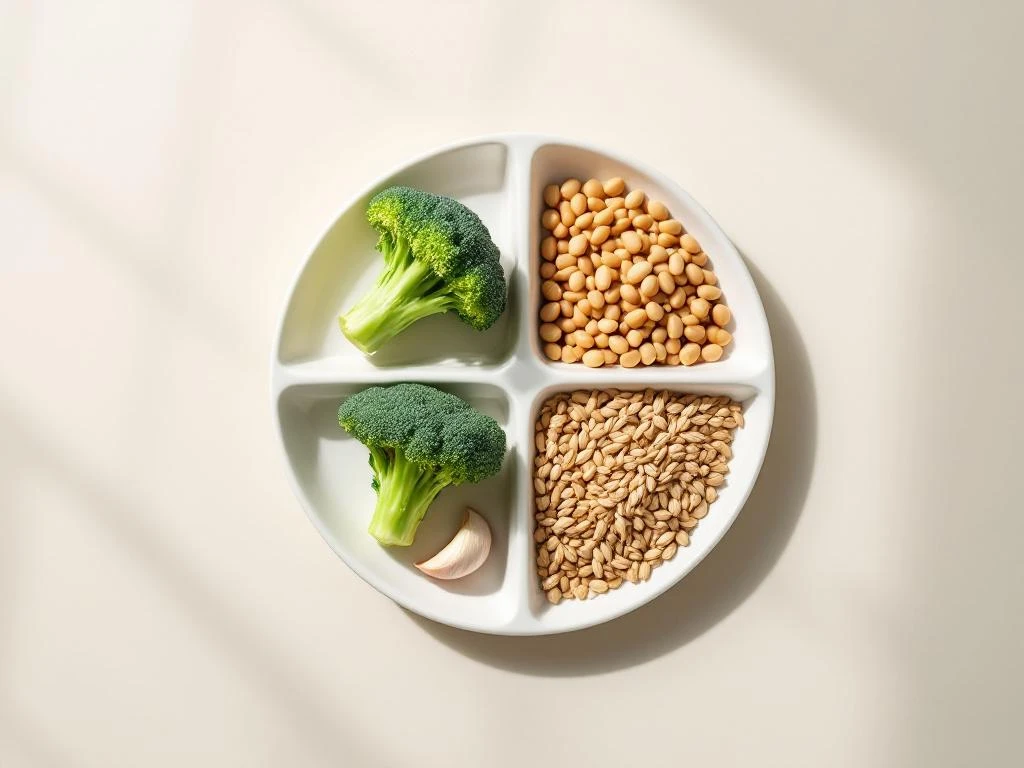
Some foods are harder to digest than others because of their composition, structure, and how they interact with your digestive system. High-fat foods, heavily processed items, artificial sweeteners, certain raw vegetables, dairy products, fried foods, and spicy dishes commonly cause digestive discomfort. The difficulty varies from person to person based on individual digestive capacity and sensitivities. Understanding which foods challenge your system helps you make informed choices about what to eat and when.
What foods are hard to digest?
Several categories of foods commonly challenge the digestive system. High-fat foods like fatty cuts of meat, creamy sauces, and rich desserts slow down stomach emptying and require more bile acids for breakdown. Processed foods containing additives, preservatives, and artificial ingredients strain your digestive system because they often lack natural enzymes and fibre.
Artificial sweeteners such as sorbitol, mannitol, and xylitol can cause bloating and diarrhoea because they’re poorly absorbed in the small intestine. Certain raw vegetables, particularly cruciferous ones like broccoli, cauliflower, and cabbage, contain complex fibres that produce gas during digestion. Dairy products pose challenges for those with lactose intolerance, as they lack the enzyme needed to break down milk sugar.
Fried foods are particularly difficult because the high-temperature cooking process creates compounds that are harder to break down, whilst adding excessive fat content. Spicy foods can irritate the digestive tract lining, especially for people with sensitive stomachs.
A specific category worth understanding is FODMAP foods, which are short-chain carbohydrates that ferment in the gut. These include onions, garlic, wheat, certain fruits, and legumes. For people with irritable bowel syndrome or food sensitivities, FODMAPs can trigger significant digestive symptoms because they draw water into the intestine and produce gas during fermentation.
Why are certain foods harder to digest than others?
The digestive difficulty of foods depends on several underlying mechanisms. Fibre type and content play a significant role—insoluble fibre moves through your system largely intact, whilst soluble fibre absorbs water and can cause bloating if consumed in large amounts. Your body needs time to break down these complex structures.
Fat content significantly affects digestion time because fats require emulsification by bile before enzymes can break them down. This process takes considerably longer than carbohydrate or protein digestion, which is why fatty meals sit heavily in your stomach.
Enzyme requirements matter tremendously. Some foods need specific enzymes that not everyone produces adequately. Lactose requires lactase, complex proteins need various proteases, and certain carbohydrates demand specific enzymes that may be lacking in some people.
Complex carbohydrate structures, particularly those in legumes and certain vegetables, contain bonds that human digestive enzymes struggle to break. These carbohydrates reach the large intestine largely intact, where gut bacteria ferment them, producing gas and causing bloating, cramping, and discomfort.
Food additives and preservatives can interfere with normal digestive processes. Your body doesn’t recognise these synthetic compounds as readily as natural food components, which can slow digestion and trigger inflammation in sensitive individuals.
Individual digestive capacity varies widely based on enzyme production, gut bacteria composition, stress levels, eating speed, and underlying digestive conditions. What causes severe discomfort for one person might be perfectly tolerable for another.
How can you tell if a food is causing digestive problems?
Identifying problematic foods requires careful observation and systematic tracking. Common digestive symptoms include bloating, excessive gas, cramping, changes in bowel movements (diarrhoea or constipation), nausea, acid reflux, and general abdominal discomfort. These symptoms typically appear within a few hours of eating, though some reactions can take up to 24 hours to manifest.
A food diary is one of the most effective tools for identifying triggers. Record everything you eat and drink, along with portion sizes and preparation methods. Note any symptoms that occur, including their severity and timing. After a few weeks, patterns usually emerge showing which foods consistently cause problems.
Elimination approaches can help confirm suspicions. Remove suspected trigger foods completely for 2-3 weeks, then reintroduce them one at a time whilst monitoring symptoms. This method provides clear evidence about which foods your body tolerates and which ones cause issues.
Pay attention to timing patterns between eating and symptoms. Immediate reactions (within 30 minutes) often indicate sensitivity to specific ingredients. Delayed reactions (2-24 hours) might suggest fermentation issues or slower digestive processes.
Individual variation is significant—foods that trouble you might be perfectly fine for others. Your tolerance can also change based on stress levels, overall health, and what else you’ve eaten that day. Personalised observation is essential because generic food lists don’t account for your unique digestive system.
What can you do to improve digestion when eating difficult foods?
Several practical strategies can support better digestion of challenging foods. Eating smaller portions reduces the workload on your digestive system, giving it time to process foods more effectively. Large meals overwhelm your stomach and intestines, leading to incomplete digestion and discomfort.
Chewing thoroughly is essential—aim for 20-30 chews per bite. This breaks food into smaller particles and mixes it with saliva enzymes, starting the digestive process before food reaches your stomach. Proper chewing significantly reduces bloating and gas.
Cooking methods that break down fibres make foods easier to digest. Steaming, roasting, or sautéing vegetables softens their cell walls. Soaking and thoroughly cooking legumes reduces their gas-producing compounds. Fermented foods like sauerkraut and yoghurt contain beneficial bacteria that aid digestion.
Staying hydrated helps move food through your digestive system, though drinking excessive amounts during meals can dilute digestive enzymes. Sip water throughout the day and drink moderate amounts with meals.
Timing matters—eating your largest meal when you’re most relaxed and have time to digest properly prevents stress-related digestive issues. Avoid eating large meals right before bed, as lying down interferes with proper digestion.
Stress management during eating makes a significant difference. Eating whilst stressed or rushed activates your sympathetic nervous system, which diverts blood away from digestion. Take time to sit down, relax, and focus on your meal.
Gradually introducing challenging foods allows your digestive system to adapt. Sudden increases in fibre or new food types can overwhelm your gut bacteria. Slow, steady changes give your system time to adjust.
Some foods may need to be avoided entirely if they consistently cause severe symptoms. There’s no benefit in forcing your body to tolerate foods that make you genuinely unwell. Focus on the wide variety of foods you can enjoy comfortably rather than struggling with problematic ones.
Understanding which foods challenge your digestion and why they do so empowers you to make informed choices. We’ve developed recipes and resources specifically for people managing digestive sensitivities, helping you enjoy satisfying meals without compromise. Paying attention to your body’s signals and adjusting your food choices accordingly leads to more comfortable eating and better overall wellbeing.