
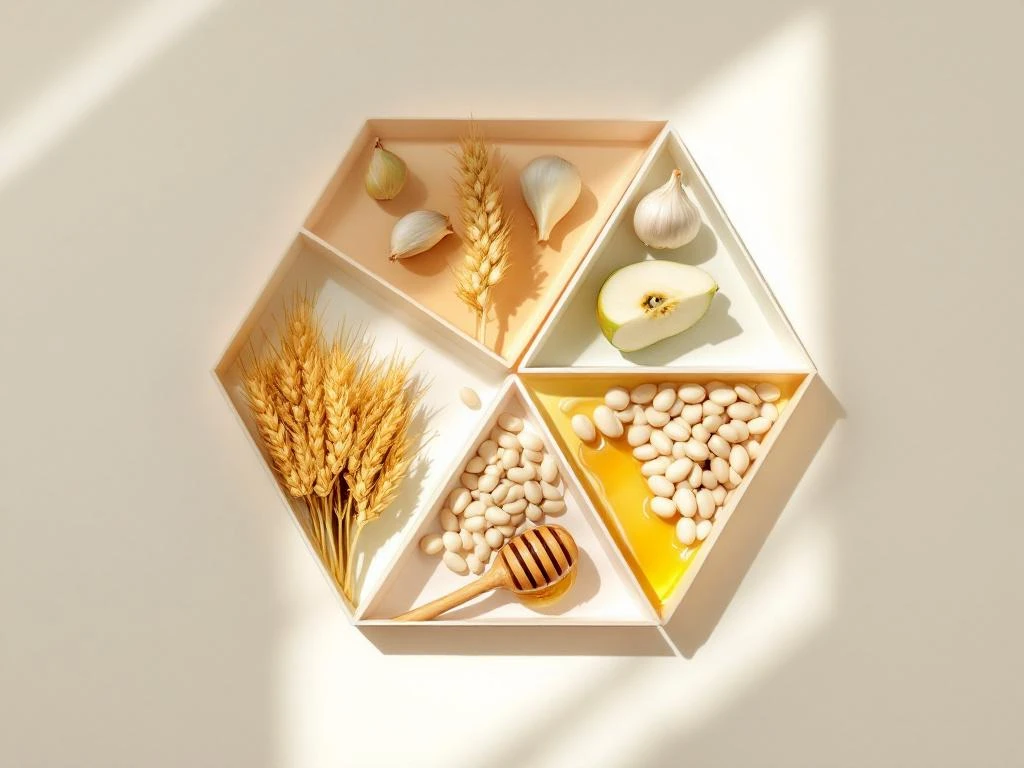
The 5 FODMAPs are Fermentable Oligosaccharides, Disaccharides, Monosaccharides, And Polyols—five groups of short-chain carbohydrates that can trigger digestive symptoms in sensitive individuals. These carbohydrates are poorly absorbed in the small intestine and ferment in the colon, causing bloating, pain, and other IBS symptoms. Understanding each category helps you identify your specific triggers and manage symptoms effectively.
What exactly are the 5 FODMAPs and why do they matter for digestion?
FODMAP stands for Fermentable Oligosaccharides, Disaccharides, Monosaccharides, And Polyols. These five categories represent different types of short-chain carbohydrates that share a common trait: they’re poorly absorbed in the small intestine. When these carbohydrates reach your colon undigested, gut bacteria ferment them, producing gas and drawing water into the digestive tract.
This fermentation process causes the uncomfortable symptoms many people with IBS experience, including bloating, abdominal pain, gas, diarrhoea, and constipation. Not everyone reacts to all five categories, which is why identifying your personal triggers through a structured approach is so valuable.
The reason FODMAPs affect some people more than others relates to gut sensitivity and the balance of bacteria in the digestive system. When you have IBS or similar digestive sensitivities, your gut may be more reactive to the gas production and fluid changes these carbohydrates create. For a complete understanding of how FODMAPs work and how to manage them, our comprehensive FODMAP guide for beginners walks you through everything you need to know.
What foods contain each of the 5 FODMAP groups?
Each FODMAP category appears in different foods, making it helpful to understand where you’ll find them:
Oligosaccharides include two subtypes: fructans and galacto-oligosaccharides (GOS). Fructans are found in wheat, rye, onions, garlic, and many vegetables like asparagus and Brussels sprouts. GOS appears primarily in legumes such as chickpeas, lentils, and beans.
Disaccharides refer specifically to lactose, the sugar found in dairy products. Milk, soft cheeses, yoghurt, and ice cream contain significant amounts of lactose. Hard cheeses and butter typically contain minimal lactose and are often well tolerated.
Monosaccharides in the FODMAP context mean excess fructose, which occurs when a food contains more fructose than glucose. Honey, apples, mangoes, pears, and watermelon are common high-fructose foods. When fructose and glucose are balanced (as in bananas), absorption improves.
Polyols split into two main types: sorbitol and mannitol. Sorbitol is found in stone fruits like peaches, plums, and apricots, as well as in artificial sweeteners ending in “-ol.” Mannitol appears in mushrooms, cauliflower, and snow peas, plus some sugar-free products.
How do you identify which of the 5 FODMAPs trigger your symptoms?
Identifying your personal FODMAP triggers requires a systematic three-phase approach rather than permanent avoidance of all five groups. The process helps you determine which specific categories cause your symptoms and in what quantities.
The elimination phase involves removing high-FODMAP foods from all five categories for 2-6 weeks. This gives your digestive system a chance to settle and establishes a symptom-free baseline. During this time, you’ll focus on low-FODMAP alternatives whilst keeping a detailed symptom diary.
The reintroduction phase is where you systematically test each FODMAP category individually. You’ll reintroduce one FODMAP group at a time, starting with small amounts and gradually increasing over three days whilst monitoring your symptoms. Between each test, you return to the low-FODMAP baseline for at least three days. This methodical approach reveals which categories you tolerate and at what threshold.
The personalisation phase uses your reintroduction results to create a long-term eating pattern. You’ll liberalise foods from categories you tolerated whilst continuing to limit or avoid your specific triggers. This phase is about maximising dietary variety whilst maintaining symptom control. Working with a dietitian during this process can help you track results accurately and ensure nutritional adequacy throughout all phases.
What’s the difference between the 5 FODMAP categories and how they affect you?
Each FODMAP category behaves differently in your digestive system and may produce varying symptoms. Oligosaccharides tend to be the most common trigger because humans lack the enzymes to break down fructans and GOS. These carbohydrates pass completely undigested to the colon, where bacteria ferment them extensively, often causing significant gas and bloating.
Disaccharides (lactose) cause symptoms only in people with lactose intolerance, who lack sufficient lactase enzyme. Symptoms typically appear quickly after consumption and include cramping, diarrhoea, and gas. Many people can tolerate small amounts of lactose even with reduced enzyme levels.
Monosaccharides (excess fructose) require specific transport proteins for absorption. When fructose overwhelms these transporters, it remains in the small intestine, drawing in water and causing diarrhoea. Fructose malabsorption varies widely between individuals.
Polyols are absorbed passively and slowly, meaning they naturally linger in the digestive tract. They also have an osmotic effect, pulling water into the intestines, which can lead to loose stools. Some people tolerate one type of polyol better than another.
Individual responses vary considerably. You might react strongly to oligosaccharides but tolerate polyols well, or vice versa. Some people are sensitive to multiple categories whilst others struggle with just one or two. This variability is why the systematic reintroduction process is so valuable—it creates a personalised understanding of your unique digestive responses rather than applying a one-size-fits-all restriction.
Understanding the 5 FODMAPs gives you the foundation to manage your digestive symptoms effectively. Rather than avoiding all these foods permanently, the structured elimination and reintroduction process helps you identify your specific triggers and build a varied, enjoyable diet that works for your individual needs. We’re here to support you with practical recipes and guidance throughout your FODMAP journey.