
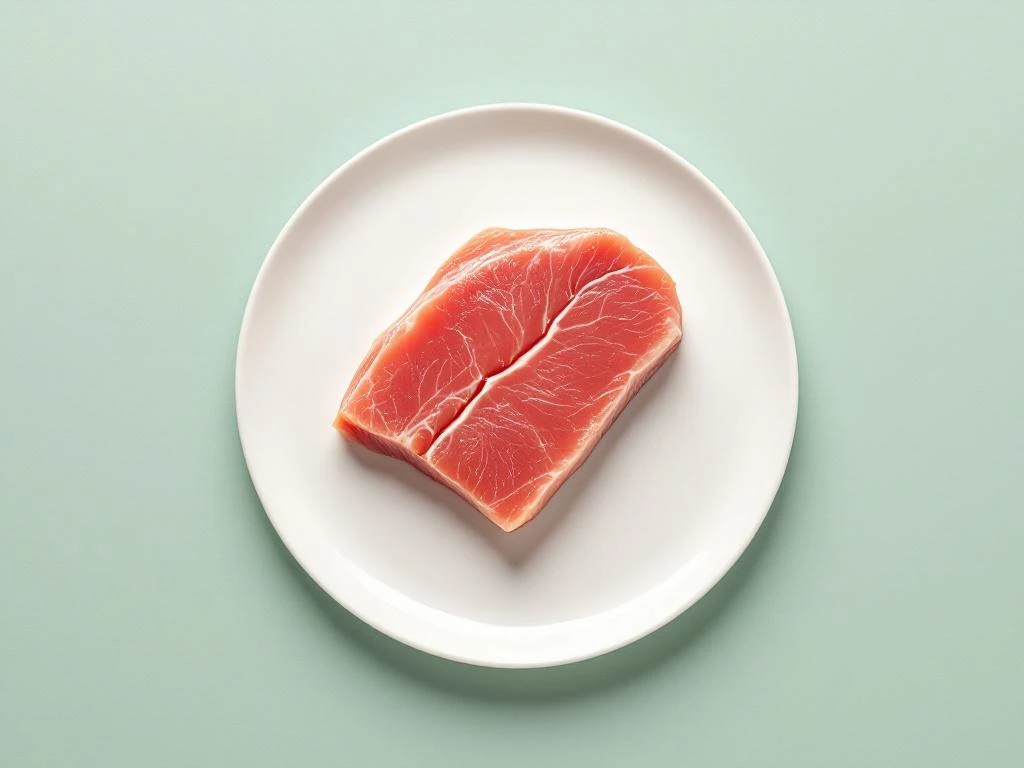
Yes, tuna fish is low in FODMAP. Both fresh and canned tuna (when plain) contain no significant FODMAPs, making them excellent protein choices for people managing IBS. Proteins like tuna don’t contain the carbohydrates that trigger digestive symptoms, so you can enjoy tuna confidently on a low FODMAP diet. We’ll answer the most common questions about incorporating tuna into your low FODMAP meals.
Is tuna fish low in FODMAP?
Plain tuna, whether fresh or canned, is naturally low in FODMAP and safe for people following a low FODMAP diet. Tuna contains no carbohydrates that would contribute to FODMAP content, making it an ideal protein source for IBS sufferers. Animal proteins like tuna, chicken, beef and fish are generally low FODMAP because they don’t contain the fermentable sugars that cause digestive discomfort.
The reason tuna works so well for sensitive digestive systems is simple: FODMAPs are specific types of carbohydrates found primarily in plant-based foods. Pure animal proteins lack these problematic sugars entirely. This makes tuna particularly valuable when you’re building meals during the elimination phase of the low FODMAP diet, as it provides essential nutrients without triggering symptoms.
If you’re new to understanding which foods contain FODMAPs and why certain ingredients affect your digestion, our complete FODMAP guide for beginners explains how different foods are classified and what to look for when planning your meals.
What’s the recommended serving size for tuna on a low FODMAP diet?
A typical serving of tuna on a low FODMAP diet is 100-150g per meal. Whilst tuna itself contains no FODMAPs, portion awareness remains important for overall digestive health and balanced nutrition. This serving size provides adequate protein without overwhelming your digestive system, particularly if you’re still identifying your personal trigger foods.
Even though tuna is low FODMAP at any portion size, eating excessively large amounts of any single food can sometimes cause digestive discomfort for reasons unrelated to FODMAPs. Your body processes protein best when you distribute it throughout the day rather than consuming large quantities in one sitting. A palm-sized portion of tuna (roughly 100-150g) fits comfortably within most people’s protein needs for a single meal.
Portion control also matters when you’re combining tuna with other ingredients. A well-balanced low FODMAP meal includes protein, suitable vegetables, and appropriate carbohydrates. Keeping your tuna serving moderate leaves room for other nutritious components without making your meal too heavy.
What’s the difference between canned tuna and fresh tuna for FODMAP content?
Both canned and fresh tuna are naturally low in FODMAP, but canned varieties require careful label reading because added ingredients can introduce high FODMAP elements. Plain canned tuna in water, brine or olive oil remains safe, whilst flavoured varieties often contain problematic additives like garlic powder, onion powder or high FODMAP seasonings.
When choosing canned tuna, look for simple ingredient lists. Tuna in springwater typically contains just tuna and salt. Tuna in olive oil adds healthy fats whilst staying low FODMAP. The challenge comes with pre-seasoned options marketed as “Mediterranean style” or “herb and garlic” – these almost always contain high FODMAP ingredients that can trigger symptoms.
Watch particularly for these hidden FODMAPs in processed canned tuna:
- Garlic powder or garlic oil (high FODMAP)
- Onion powder or onion extracts (high FODMAP)
- Certain vegetable broths that may contain onion or garlic
- Flavour enhancers that list unclear ingredient sources
Fresh tuna gives you complete control over seasonings and preparation methods, eliminating concerns about hidden additives. However, plain canned tuna offers convenience without sacrificing FODMAP safety when you choose wisely.
How can you incorporate tuna into low FODMAP meals?
Tuna adapts beautifully to numerous low FODMAP meal ideas, from simple salads to warming comfort foods. Try tuna salad with cucumber, cherry tomatoes, lettuce and a low FODMAP dressing made with olive oil and lemon juice. For heartier meals, combine tuna with gluten-free pasta, a drizzle of garlic-infused oil (the oil is low FODMAP whilst garlic pieces aren’t), and fresh herbs like basil or chives.
Tuna melts work wonderfully on suitable low FODMAP bread – choose gluten-free options or sourdough spelt if you tolerate it. Top with lactose-free cheese and grill until golden. Rice bowls offer another versatile option: layer cooked rice with tuna, cucumber ribbons, grated carrot, and a splash of tamari (gluten-free soy sauce).
Safe flavour additions for your tuna dishes include:
- Fresh herbs such as parsley, coriander, basil and chives
- Garlic-infused olive oil (remember, only the oil, not actual garlic)
- Lemon or lime juice for brightness
- Low FODMAP mayonnaise or suitable alternatives
- Spring onion tops (green parts only, avoiding white bulbs)
We offer various low FODMAP recipes that incorporate tuna and other safe proteins, helping you create satisfying meals without the guesswork. Whether you prefer quick lunches or elaborate dinners, tuna provides reliable, gut-friendly protein that works with countless low FODMAP ingredients.
Tuna remains one of the most versatile and accessible proteins for anyone following a low FODMAP diet. Its naturally low FODMAP status, combined with convenience and nutritional benefits, makes it a valuable addition to your meal planning. By choosing plain varieties and pairing tuna with other safe ingredients, you can create delicious, symptom-free meals that never feel restrictive.