
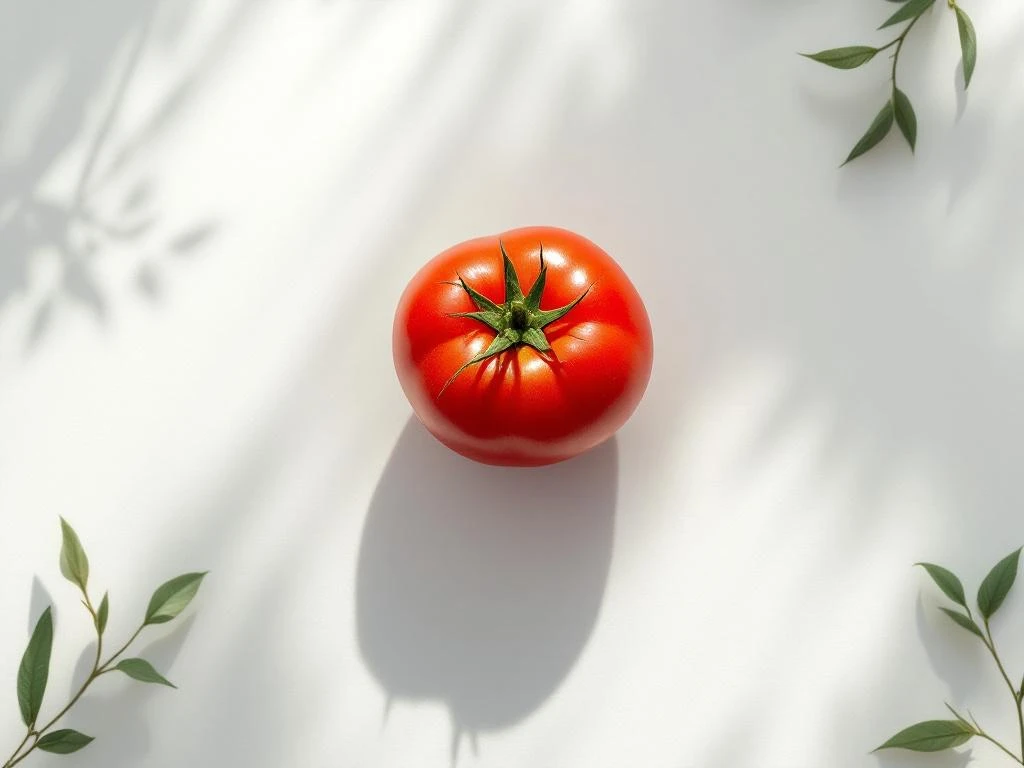
Tomatoes are low FODMAP in controlled portions but can become high FODMAP when you eat larger servings. Fresh tomatoes contain small amounts of fructans and fructose, which are FODMAP compounds. The key is understanding safe serving sizes for your needs. Whether you can enjoy tomatoes on a low FODMAP diet depends on the type of tomato, how much you eat, and how it’s prepared.
Is tomato a FODMAP?
Fresh tomatoes are considered low FODMAP when eaten in appropriate portions, but they do contain FODMAP compounds that can trigger symptoms in larger amounts. The primary FODMAPs in tomatoes are fructans and excess fructose, which accumulate as serving sizes increase.
The portion-dependent nature of tomatoes makes them different from truly high FODMAP foods. A small serving won’t typically cause issues during the elimination phase, whilst a large serving crosses into high FODMAP territory. This is why tomatoes often confuse people following a low FODMAP diet.
The specific FODMAP content varies slightly between tomato varieties. Cherry tomatoes, roma tomatoes, and standard tomatoes all contain FODMAPs, but their concentration differs based on size, ripeness, and water content. Understanding these differences helps you make informed choices about which tomatoes to include in your meals.
How much tomato can you eat on a low FODMAP diet?
Monash University testing shows that 75 grams of common tomato (roughly one small tomato) is low FODMAP, whilst 150 grams becomes moderate to high FODMAP. For cherry tomatoes, four small tomatoes (60 grams) remain low FODMAP. Roma tomatoes follow similar guidelines, with one small roma being a safe serving.
During the elimination phase, stick to these tested low FODMAP portions. Measure your tomatoes initially using kitchen scales to understand what a safe serving looks like. After a few times, you’ll recognize appropriate portions visually.
Individual tolerance varies significantly. Some people handle tomatoes well even at moderate FODMAP levels, whilst others react to smaller amounts. During the reintroduction phase, you can test your personal tolerance by gradually increasing serving sizes and monitoring symptoms. Keep portions conservative during elimination to establish your baseline.
Practical measuring tips include using a small kitchen scale or comparing tomatoes to reference sizes. One small tomato fits comfortably in your palm. Four cherry tomatoes equal roughly two tablespoons when diced. These visual cues help when eating out or cooking without scales.
What’s the difference between fresh tomatoes and tomato products for FODMAP?
Processing and concentration dramatically affect FODMAP levels in tomato products. Tomato paste, tomato sauce, and sun-dried tomatoes concentrate FODMAPs because water is removed, leaving higher amounts of fructans and fructose per serving. Fresh tomatoes contain more water, diluting FODMAP concentration.
Canned tomatoes generally have similar FODMAP levels to fresh tomatoes when comparing equal weights. However, check labels carefully for added high FODMAP ingredients like onion powder, garlic, or high fructose corn syrup. Plain canned tomatoes without additives follow the same serving size guidelines as fresh tomatoes.
Tomato paste is high FODMAP even in small amounts due to extreme concentration. Just two tablespoons contain FODMAPs equivalent to several fresh tomatoes. Tomato sauce varies widely depending on ingredients and concentration. Many commercial sauces add onion and garlic, making them unsuitable during elimination.
Sun-dried tomatoes are high FODMAP because the drying process removes water whilst leaving FODMAPs intact. Ketchup often contains high FODMAP sweeteners and onion powder. Look for low FODMAP certified tomato products or make your own sauce using fresh tomatoes within safe serving sizes, garlic-infused oil, and low FODMAP herbs.
Why do some people with IBS react to tomatoes even in small amounts?
Reactions to tomatoes aren’t always FODMAP-related. Tomatoes are naturally acidic, and this acidity can irritate sensitive digestive systems independently of FODMAP content. The acid may trigger reflux, stomach discomfort, or bowel symptoms that mimic FODMAP reactions but stem from different mechanisms.
Histamine content in tomatoes causes problems for people with histamine intolerance, which often overlaps with IBS. As tomatoes ripen, histamine levels increase. Cooked and processed tomatoes typically contain more histamine than fresh ones. If you react to tomatoes despite eating low FODMAP portions, histamine sensitivity might be the culprit.
Nightshade sensitivity affects some individuals with inflammatory conditions or sensitive digestion. Tomatoes belong to the nightshade family, which contains natural compounds called alkaloids. These can trigger inflammation or digestive upset in susceptible people, completely separate from FODMAPs and their effects on digestion.
Keeping a detailed food diary helps identify whether tomatoes are a personal trigger. Note the type of tomato, portion size, preparation method, and any symptoms within 24 hours. This information reveals patterns that distinguish FODMAP reactions from other sensitivities. If small FODMAP-safe portions consistently cause symptoms, consider testing elimination of tomatoes entirely before reintroducing them later.
What are the best low FODMAP alternatives to tomatoes?
Red capsicum (bell peppers) provides similar colour and sweetness to tomatoes whilst remaining low FODMAP in servings up to 75 grams. Roasted red capsicum develops a rich, slightly sweet flavour that works beautifully in pasta sauces, soups, and on pizza. Blend roasted capsicum with low FODMAP stock and herbs for a tomato-free pasta sauce.
Carrots combined with paprika create surprisingly effective tomato flavour in cooked dishes. Grate or dice carrots finely, cook until soft, then add smoked paprika and a pinch of sugar. This combination mimics the sweetness and colour of tomato-based sauces. It works particularly well in bolognese, stews, and casseroles.
Some low FODMAP certified tomato products exist, made using specific processing methods or enzyme treatments that reduce FODMAP content. These products allow you to enjoy tomato flavour without FODMAP concerns, though they can be expensive and aren’t available everywhere.
For pizza, try a garlic-infused oil base with herbs instead of tomato sauce. White sauce made from lactose-free cream or a pumpkin purée base offers delicious alternatives. In salads, substitute tomatoes with cucumber, radishes, or additional capsicum for colour and freshness. When recipes call for tomato paste, try a small amount of sun-dried capsicum paste or concentrate your carrot-paprika mixture.
Maintaining flavour whilst respecting FODMAP limits requires creativity but opens up new taste experiences. Experiment with these alternatives to find your favourites, and remember that many dishes taste wonderful without tomatoes once you adjust your expectations.