
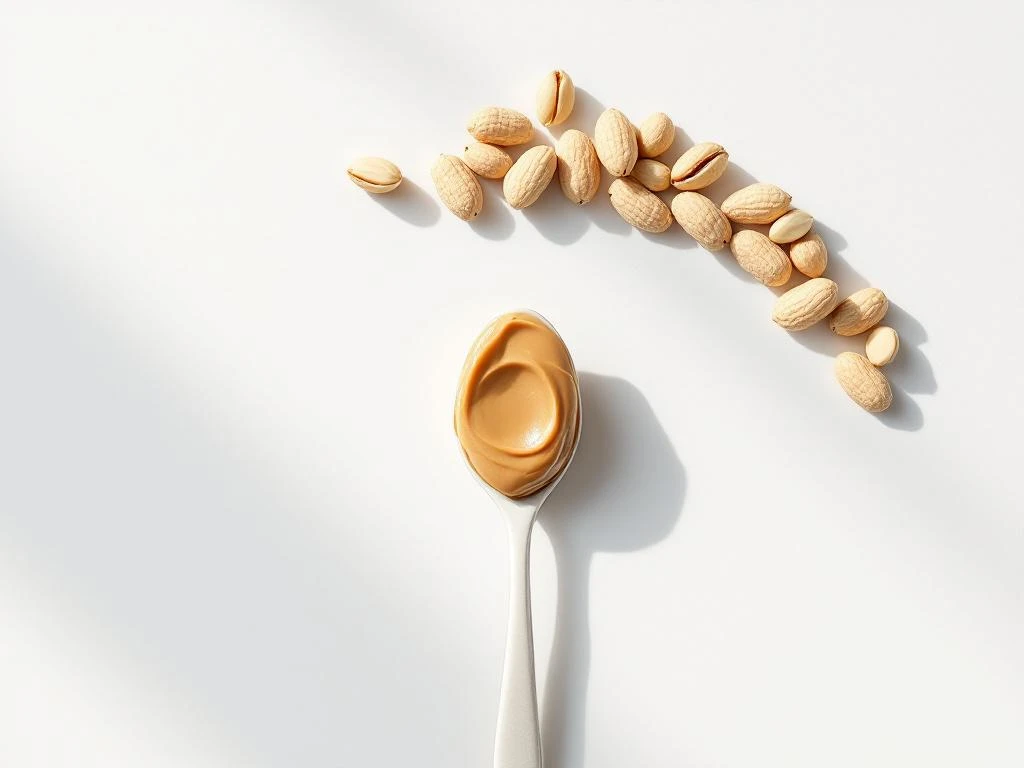
Natural peanut butter is low FODMAP in controlled portions, typically up to 2 tablespoons (32g) per serving. According to Monash University testing, this amount remains safe for most people following a low FODMAP diet. However, larger portions can become high FODMAP due to oligosaccharide accumulation, making portion control essential for managing IBS symptoms whilst enjoying this popular spread.
Is peanut butter low FODMAP or high FODMAP?
Peanut butter is classified as low FODMAP when consumed in appropriate portions. Monash University, the leading authority on FODMAP testing, has determined that natural peanut butter remains low FODMAP at servings of 2 tablespoons (32g). This portion size contains minimal amounts of galacto-oligosaccharides (GOS), the specific FODMAP present in peanuts.
The key to keeping peanut butter low FODMAP lies in understanding portion limits. Whilst a standard serving is safe, consuming larger amounts causes FODMAPs to accumulate, potentially triggering digestive symptoms. This dose-dependent response is characteristic of many FODMAP-containing foods.
FODMAPs are specific types of carbohydrates that can be difficult to digest for people with IBS. These fermentable sugars draw water into the intestinal tract and are rapidly fermented by gut bacteria, leading to bloating, gas, and discomfort. If you’re new to understanding FODMAPs, our complete guide for beginners explains the fundamentals of how these carbohydrates affect digestion.
When selecting peanut butter, always check that you’re choosing natural varieties without added high FODMAP ingredients. The peanuts themselves are what Monash has tested, so keeping your choice simple ensures you stay within safe limits.
How much peanut butter can you eat on a low FODMAP diet?
The safe serving size for peanut butter on a low FODMAP diet is 2 tablespoons or 32 grams. This measurement applies during both the elimination phase and the maintenance phase of the diet. Exceeding this amount increases your intake of GOS (galacto-oligosaccharides), which can trigger symptoms even in people who tolerate the standard portion well.
During the strict elimination phase, stick closely to the 2-tablespoon limit. This phase requires careful portion control to identify your trigger foods accurately. Measuring your peanut butter rather than eyeballing it prevents accidentally consuming high FODMAP amounts that could interfere with your symptom tracking.
Visual references can help you gauge appropriate portions. Two tablespoons of peanut butter roughly equals the size of a golf ball or two thumb-sized portions. If you’re spreading it on toast, aim for a thin, even layer rather than a thick coating. For recipes, measure carefully and divide the total portion amongst servings to ensure each serving stays within limits.
Once you’ve completed the elimination phase and identified your personal triggers, you might find you can tolerate the full 2-tablespoon serving comfortably. Some people discover they’re sensitive to smaller amounts, whilst others tolerate the tested portion without issue. Your individual tolerance should guide your ongoing consumption.
What type of peanut butter is best for IBS and FODMAP diets?
Natural peanut butter containing only peanuts and salt is the best choice for IBS and low FODMAP diets. These simple varieties avoid problematic additives that can trigger symptoms beyond FODMAP content. The fewer ingredients listed on the label, the better for your digestive system.
Processed peanut butter varieties often contain high FODMAP sweeteners that make them unsuitable despite being made from low FODMAP peanuts. Honey is a common addition that contains excess fructose, a high FODMAP sugar. High fructose corn syrup presents the same problem. Both can trigger symptoms even when the peanut butter portion itself stays within limits.
Watch for added fibres on ingredient labels. Inulin and chicory root are high FODMAP fibres frequently added to processed peanut butter to increase fibre content or improve texture. These ingredients can cause significant digestive distress for people with IBS, even in small amounts. They’re often marketed as beneficial prebiotics, but they’re problematic for FODMAP-sensitive individuals.
Palm oil and other stabilisers added to prevent oil separation don’t contain FODMAPs, but natural peanut butter without these additions is still preferable. The oil separation in natural varieties is normal and easily remedied by stirring. Smooth and crunchy varieties are both acceptable choices based on your texture preference, as the FODMAP content remains the same.
Can peanut butter trigger IBS symptoms even if it’s low FODMAP?
Yes, peanut butter can trigger IBS symptoms in some people despite being low FODMAP in proper portions. The high fat content in peanut butter can stimulate gut contractions and speed up digestion, leading to discomfort, cramping, or diarrhoea in fat-sensitive individuals. This reaction occurs independently of FODMAP content.
Understanding the difference between FODMAP intolerance and other food sensitivities is important for managing your symptoms effectively. FODMAPs cause symptoms through fermentation and osmotic effects in the gut. Fat sensitivity, by contrast, triggers symptoms through different mechanisms involving bile acid production and gut motility. You might tolerate the FODMAP content perfectly whilst reacting to the fat.
The thick, sticky texture of peanut butter can also cause problems for some people with IBS. Dense, heavy foods sometimes sit uncomfortably in the stomach or move slowly through the digestive tract, creating a feeling of fullness or bloating unrelated to FODMAP fermentation. This mechanical effect varies greatly between individuals.
Monitor your personal response to peanut butter even when staying within the low FODMAP serving size. Keep a food and symptom diary to identify patterns. If you consistently experience symptoms after eating peanut butter despite proper portions, consider eliminating it temporarily. You can try reintroducing it later or substitute with other low FODMAP spreads like tahini or sunflower seed butter to see if you tolerate alternatives better.
Remember that the low FODMAP diet is highly individual. What works well for one person may not suit another, even when following all the guidelines correctly. We encourage you to listen to your body and adjust your food choices based on your unique responses whilst maintaining nutritional variety in your diet.