
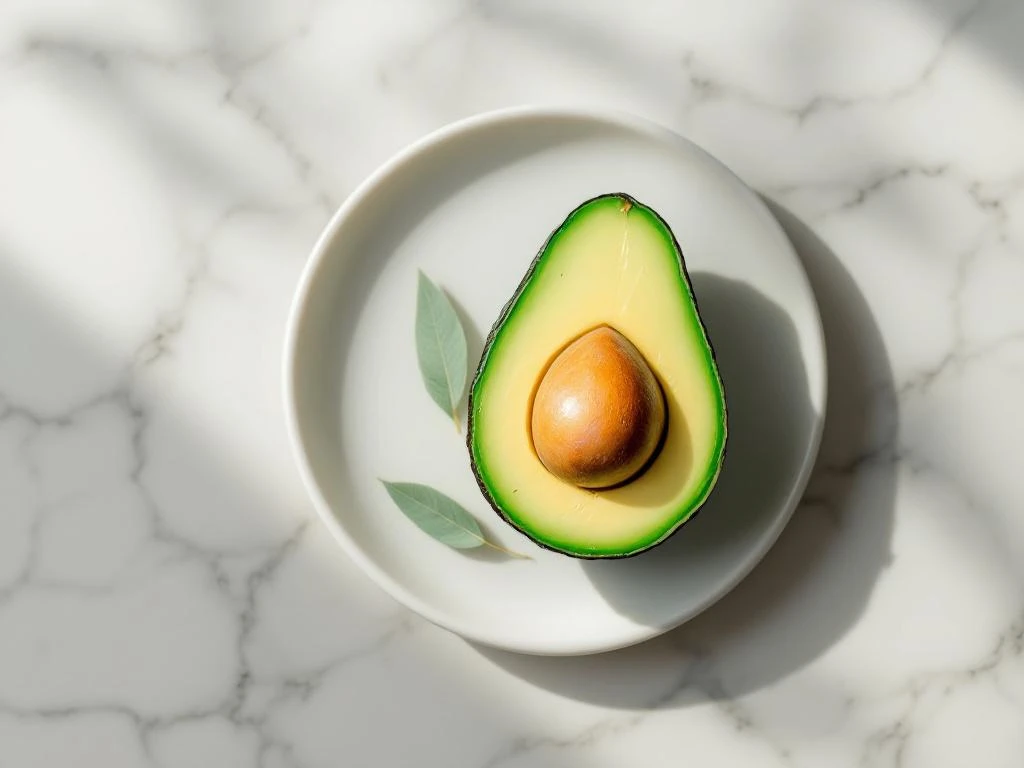
Avocado is conditionally low FODMAP, meaning it’s safe in small portions but can trigger symptoms in larger amounts. This creamy fruit contains polyols (specifically sorbitol), which makes portion size critical for anyone following a low FODMAP diet. Understanding how much you can safely enjoy helps you include this nutritious food without compromising your digestive comfort.
Is avocado low FODMAP or high FODMAP?
Avocado sits in a grey area on the FODMAP spectrum. It contains polyols, specifically sorbitol, which makes it high FODMAP in larger portions but low FODMAP when eaten in controlled amounts. This means avocados are neither completely off-limits nor freely allowed on a low FODMAP diet.
The key factor is portion awareness. Whilst a whole avocado or even half can cause digestive discomfort for people with IBS, a small serving typically remains well-tolerated. This conditional status applies to many foods on the low FODMAP diet, where quantity matters as much as the food itself.
FODMAPs are fermentable carbohydrates that can trigger digestive symptoms in sensitive individuals. Polyols, one of the five FODMAP groups, are sugar alcohols found naturally in certain fruits and vegetables, including avocados. Understanding this foundation helps you make informed choices about portion sizes and meal planning.
How much avocado can you eat on a low FODMAP diet?
According to Monash University testing, one-eighth of a whole avocado (approximately 20 grams) is considered low FODMAP and safe for most people during the elimination phase. This small portion keeps polyol levels below the threshold that typically triggers symptoms.
Larger portions quickly become problematic. A quarter of an avocado (40 grams) contains moderate amounts of polyols, whilst anything beyond that is considered high FODMAP. The difference between a comfortable meal and digestive distress can be just a few extra slices.
Practical measuring tips make portion control easier. Use a kitchen scale for accuracy, especially when you’re starting out. Visually, one-eighth of an avocado is roughly equivalent to two thin slices or about one tablespoon of mashed avocado. Some people find it helpful to cut their avocado into eight equal pieces and freeze the portions they’re not using immediately.
When incorporating avocado into meals, consider your total FODMAP load. If you’re eating other foods containing polyols in the same meal, you may need to reduce your avocado portion further. Spreading your avocado intake across different meals rather than consuming it all at once can also help maintain better tolerance.
Why does avocado cause digestive issues for some people?
Avocados contain sorbitol, a polyol that’s poorly absorbed in the small intestine. When sorbitol reaches the large intestine unabsorbed, it draws water into the bowel and gets fermented by gut bacteria, leading to symptoms like bloating, gas, cramping, and changes in bowel movements.
People with IBS or FODMAP sensitivities have heightened gut sensitivity and altered gut motility, making them more susceptible to these effects. The same amount of sorbitol that causes no issues for someone with a robust digestive system can trigger significant discomfort for someone with IBS.
Individual tolerance varies considerably. Some people can handle the low FODMAP serving without any problems, whilst others may react even to small amounts. Your personal threshold depends on several factors, including your overall gut sensitivity, the current state of your digestive system, and what else you’ve eaten that day.
The total FODMAP load in a meal matters more than individual foods. If you’re eating avocado alongside other polyol-containing foods like mushrooms or cauliflower, your symptoms may be worse than if you paired it with completely low FODMAP options. This cumulative effect explains why you might tolerate avocado perfectly one day but struggle with it another.
What are the best ways to enjoy avocado without triggering symptoms?
Stick to the recommended portion of one-eighth (20 grams) and measure carefully, especially during the elimination phase. Once you’ve completed elimination and moved into reintroduction, you can test your personal tolerance level systematically. Some people discover they can handle slightly more, whilst others need to stay conservative.
Pair your avocado with other low FODMAP foods to keep your overall FODMAP load manageable. Try spreading a small amount on gluten-free toast with a poached egg, adding thin slices to a salad with lettuce, cucumber, and grilled chicken, or mixing a tablespoon into a smoothie with banana (firm, unripe) and lactose-free yoghurt.
Distribute your avocado consumption throughout the day rather than eating multiple portions in one sitting. If you’re craving that creamy texture at both breakfast and lunch, split your safe portion between meals. This approach helps prevent FODMAP stacking and keeps your digestive system comfortable.
When recipes call for larger amounts of avocado, adjust accordingly. We share plenty of low FODMAP recipes that respect appropriate portion sizes, helping you enjoy diverse meals without constant calculation. For dishes where avocado is the star ingredient, consider alternatives like tahini, which provides similar creaminess, or small amounts of lactose-free cream cheese.
During social occasions or when eating out, be mindful of hidden avocado in dishes. Guacamole, avocado toast, and California rolls often contain far more than the safe serving size. Don’t hesitate to request a smaller portion or ask for avocado on the side so you can control how much you eat.
Finding your personal balance with avocado takes patience and attention to your body’s signals. Whilst the general guidelines provide a safe starting point, your individual experience matters most. Keep a food diary during your elimination and reintroduction phases to track how different portions affect you, and remember that tolerance can change over time as your gut health improves.