
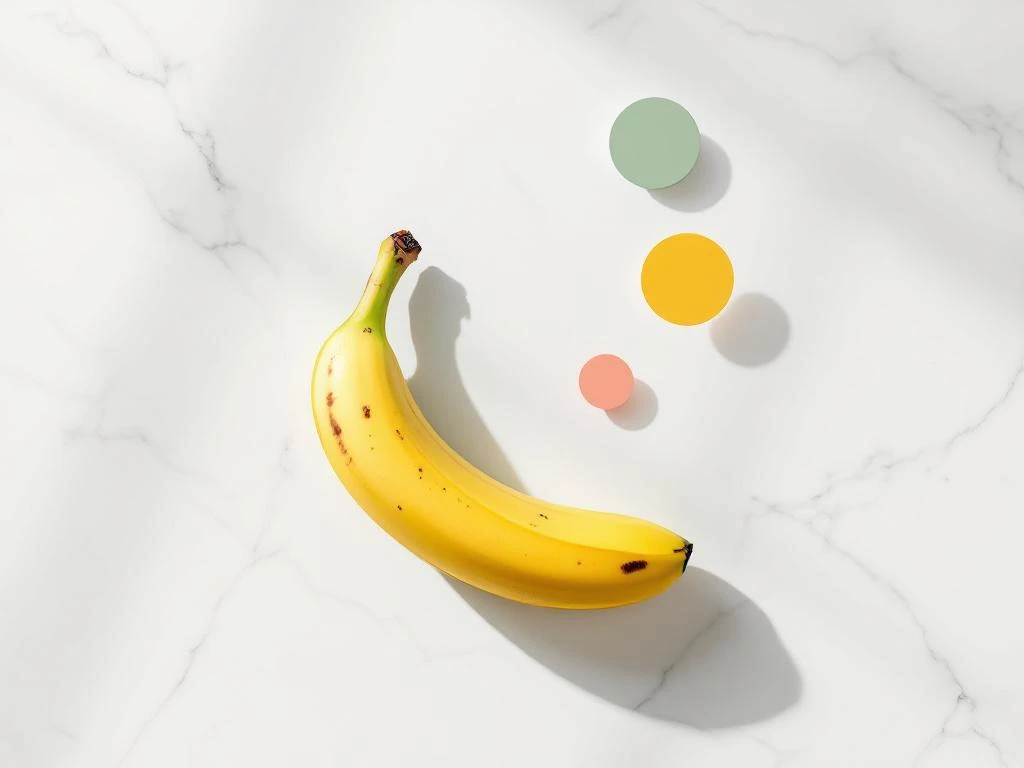
Bananas can be low or high FODMAP depending on their ripeness. Unripe (green) bananas are low FODMAP and safe for most people with IBS, whilst ripe (yellow with brown spots) bananas contain higher levels of fructose and become high FODMAP. This distinction matters because the FODMAP content changes as the fruit ripens, affecting digestive tolerance. Understanding this difference helps you enjoy bananas whilst managing IBS symptoms effectively.
Are bananas low or high FODMAP?
Bananas fall into both categories depending on their ripeness level. Unripe bananas with green skin are classified as low FODMAP and generally well-tolerated during the elimination phase of the diet. Ripe bananas with yellow skin and brown spots are high FODMAP due to increased fructose content and may trigger digestive symptoms in sensitive individuals.
The key to including bananas in your low FODMAP diet is choosing the right ripeness stage. Unripe bananas contain resistant starch rather than simple sugars, making them easier to digest for those with IBS. As bananas ripen, this starch converts to fructose, which can overwhelm the digestive system’s ability to absorb it properly. This excess fructose then ferments in the gut, potentially causing bloating, gas, and discomfort.
When you’re following a low FODMAP diet, selecting bananas with more green than yellow on the peel ensures you’re staying within safe limits. If you’re new to understanding how different foods fit into the FODMAP framework, our complete guide for beginners explains the classification system and helps you make informed choices about what to eat.
How many bananas can you eat on a low FODMAP diet?
During the elimination phase, you can safely eat one medium unripe banana (approximately 100g) per serving. This portion size has been tested and confirmed as low FODMAP by Monash University, the leading authority on FODMAP research. For ripe bananas, the recommended serving drops significantly to just one-third of a medium banana (about 33g) to remain within low FODMAP limits.
The serving size matters because FODMAP content accumulates throughout the day. Eating multiple servings of even low FODMAP foods in one sitting can create a high FODMAP load that triggers symptoms. Spacing out your banana consumption and combining it with other low FODMAP foods helps maintain better digestive comfort.
During the reintroduction phase, you can test your individual tolerance by gradually increasing portion sizes of ripe bananas. Start with a small amount and monitor your symptoms for 24-48 hours before trying a larger serving. Some people discover they can tolerate more than the standard low FODMAP serving, whilst others find even unripe bananas need to be limited. This personalised approach helps you understand your unique digestive system and expand your diet safely.
Why does banana ripeness affect FODMAP levels?
Banana ripeness affects FODMAP levels because of the biochemical transformation that occurs as the fruit matures. Unripe bananas contain high amounts of resistant starch, a complex carbohydrate that behaves like dietary fibre and passes through the small intestine largely undigested. As bananas ripen, enzymes break down this resistant starch into simple sugars, particularly fructose.
The fructose content increases dramatically during ripening, which directly impacts FODMAP classification. Fructose is a monosaccharide (the “M” in FODMAP) that can be poorly absorbed in the small intestine, especially when present in amounts that exceed glucose. When fructose isn’t properly absorbed, it travels to the large intestine where gut bacteria ferment it, producing gas and drawing water into the bowel. This fermentation process causes the uncomfortable symptoms many people with IBS experience.
The visible changes you see on a banana’s peel reflect these internal sugar changes. Green bananas contain minimal free sugars and maximum resistant starch. As yellow colour develops and brown spots appear, the starch-to-sugar conversion accelerates. By the time a banana is fully spotted and soft, it contains significantly more fructose than its unripe counterpart, making it a high FODMAP food that may trigger digestive distress.
What are the best alternatives to bananas for IBS?
Several low FODMAP fruits provide similar nutritional benefits and versatility to bananas whilst being gentler on sensitive digestive systems. These alternatives work well in breakfast bowls, smoothies, and snacking situations where you might typically reach for a banana.
Strawberries are an excellent substitute, offering natural sweetness and vitamin C. A low FODMAP serving is 10 medium berries (approximately 140g), making them generous enough for smoothies or topping your morning porridge. They provide a similar soft texture when blended and add vibrant colour to your meals.
Blueberries work brilliantly in most banana applications. You can enjoy 20 berries (about 40g) per serving, and they’re particularly convenient because they freeze well. Frozen blueberries create a thick, creamy texture in smoothies that mimics the body bananas typically provide.
Kiwi fruit (green variety) offers potassium similar to bananas, with a low FODMAP serving of two medium kiwis. They’re slightly tart but add interesting flavour complexity to fruit salads and smoothie bowls. The texture when mashed can substitute for banana in some baking applications.
Cantaloupe melon provides natural sweetness and a soft texture. A low FODMAP serving is 120g, which is roughly one cup of cubed melon. It works beautifully in smoothies and provides excellent hydration alongside its nutritional benefits.
These alternatives ensure you maintain variety and nutritional balance whilst managing IBS symptoms. Rotating different low FODMAP fruits prevents flavour fatigue and provides a broader range of vitamins, minerals, and antioxidants. We’ve found that having several options available makes the low FODMAP diet feel less restrictive and more sustainable long-term. Each of these fruits brings unique benefits to your meals whilst keeping your digestive system comfortable.