
Is tomato a FODMAP?
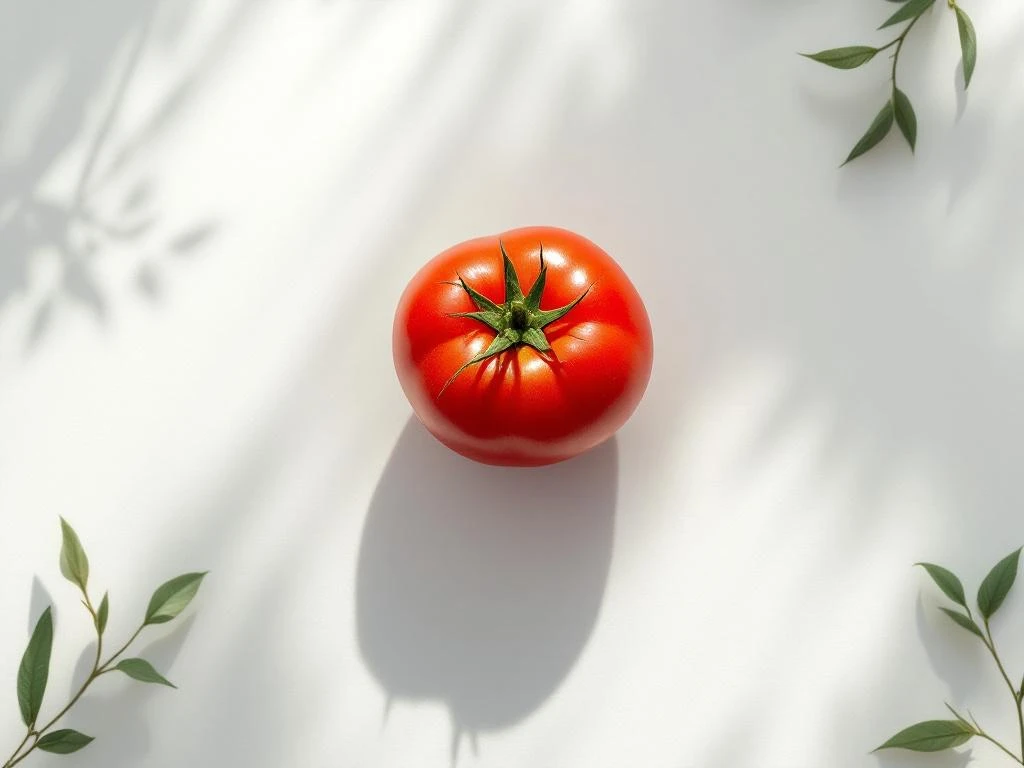
Wondering if you can eat tomatoes on a low FODMAP diet? Fresh tomatoes are low FODMAP in controlled portions—about 75 grams or one small tomato—but contain fructans and fructose that accumulate in larger servings. This comprehensive guide explains safe serving sizes for different tomato varieties, why processed tomato products are often high FODMAP, and what to do if you react to tomatoes despite eating safe portions. Discover practical measuring tips, low FODMAP alternatives, and how to navigate tomato-based dishes while managing IBS symptoms.
Is tuna fish low in FODMAP?
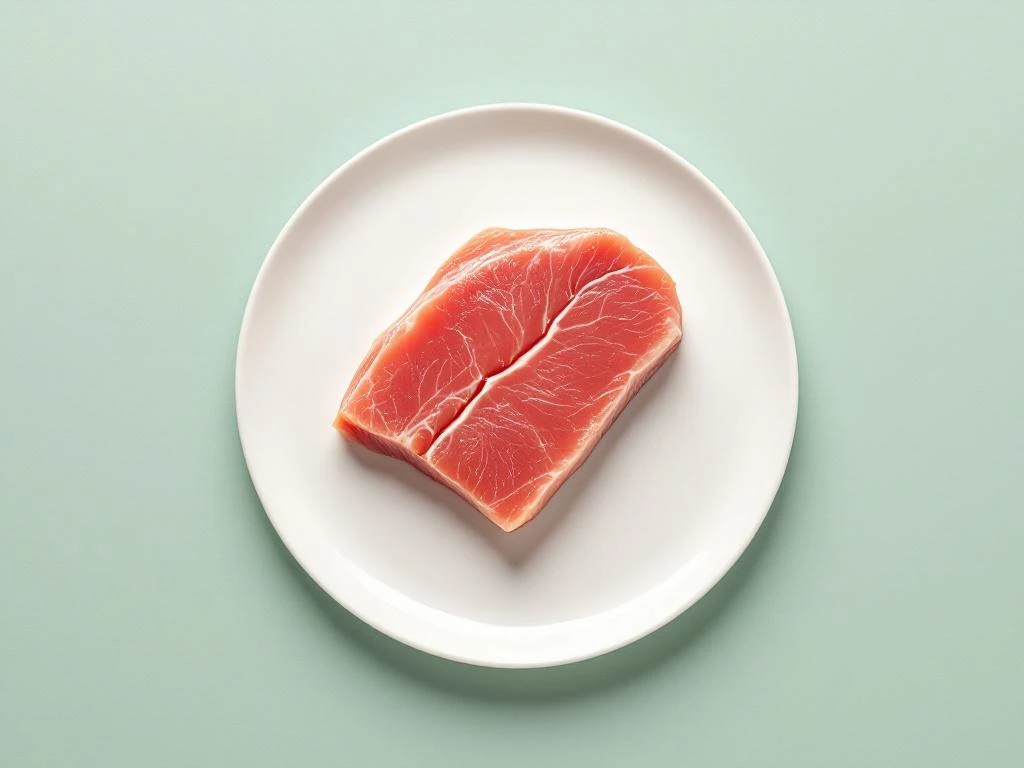
Yes, tuna fish is low in FODMAP. Both fresh and canned tuna (when plain) contain no significant FODMAPs, making them excellent protein choices for people managing IBS. Proteins like tuna don’t contain the carbohydrates that trigger digestive symptoms, so you can enjoy tuna confidently on a low FODMAP diet. Learn the recommended serving sizes, differences between canned and fresh varieties, and discover delicious ways to incorporate this gut-friendly protein into your meals without triggering symptoms.
Is avocado low FODMAP?
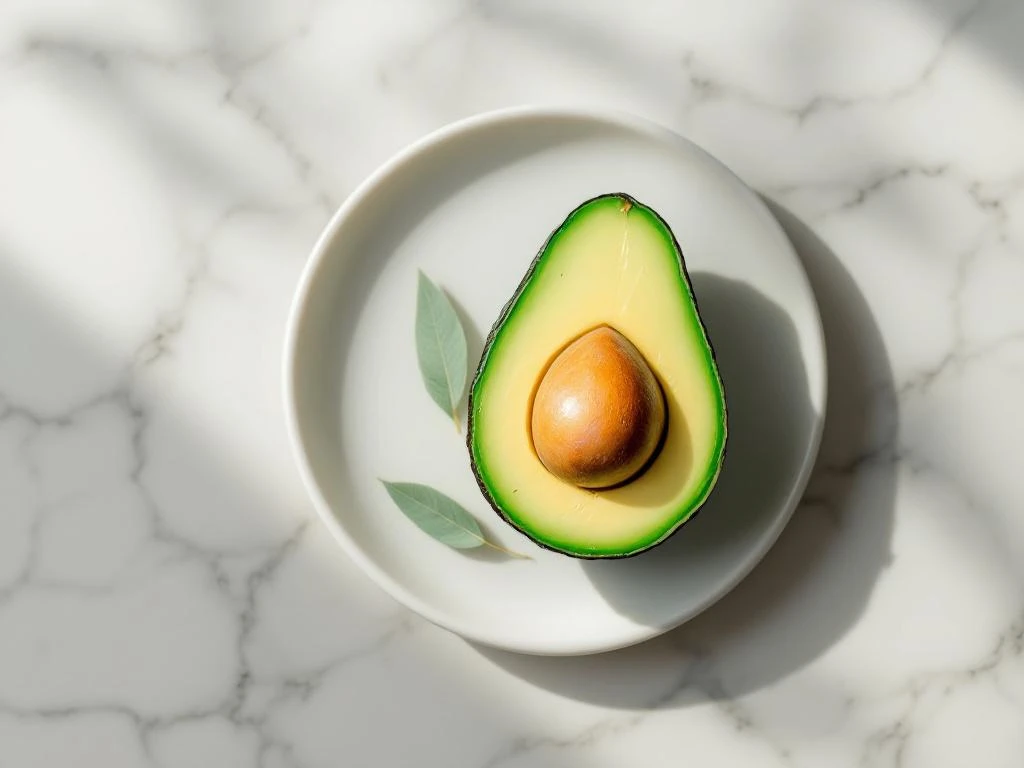
Avocado is conditionally low FODMAP, meaning portion size determines whether it triggers IBS symptoms. While one-eighth of an avocado (20g) is safe during elimination, larger amounts contain problematic polyols like sorbitol. This comprehensive guide explains exactly how much you can eat, why avocado causes digestive issues for some people, and practical strategies for enjoying this nutritious fruit without compromising your gut health. Discover measuring tips, meal pairing strategies, and how to navigate your personal tolerance level.
What is the best low FODMAP breakfast?

Finding the perfect low FODMAP breakfast means combining gentle proteins like eggs or lactose-free yoghurt with safe grains such as gluten-free oats or sourdough spelt bread, plus low FODMAP fruits like berries and bananas. These carefully chosen ingredients support digestive comfort whilst delivering sustained energy and proper nutrition. Whether you need quick five-minute meals or make-ahead options, understanding which foods to embrace and which to avoid transforms your morning routine. Learn how to create satisfying, gut-friendly breakfasts that prevent IBS symptoms without sacrificing flavour or variety.
Is bacon ok on FODMAP?
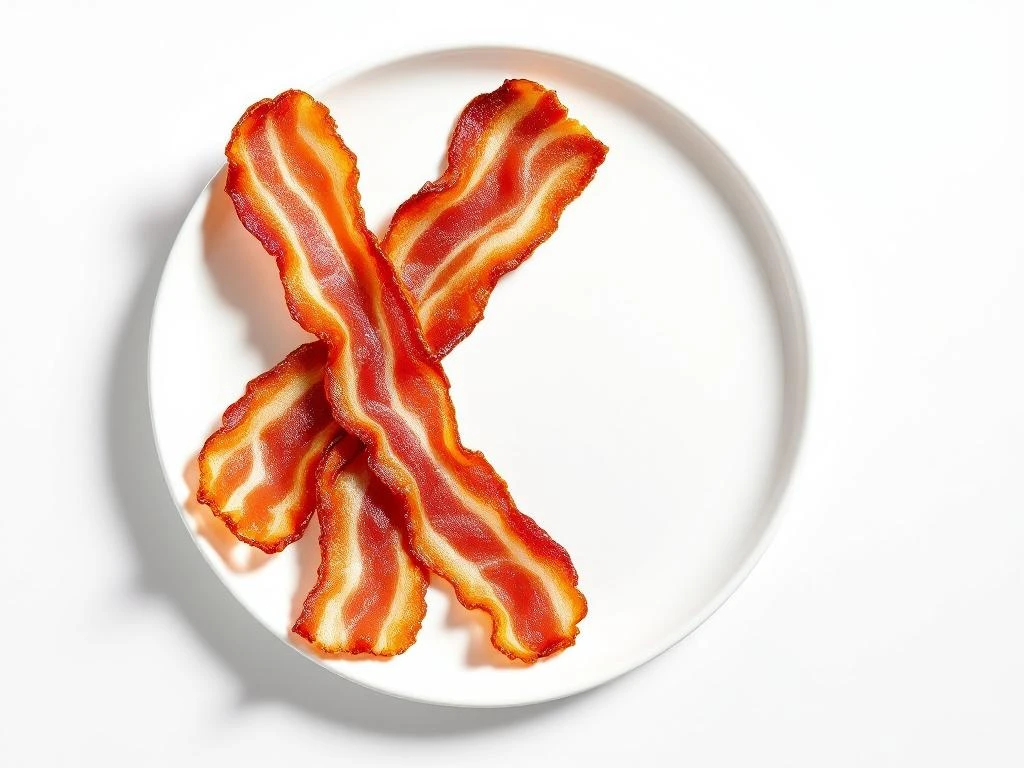
Plain, unprocessed bacon is generally low FODMAP when eaten in moderate amounts—typically 2-3 slices per serving. The key is avoiding high-FODMAP additives like garlic powder, onion powder, or honey glazes that many commercial brands include. This guide answers your essential questions about safely incorporating bacon into a low FODMAP diet, including which ingredients to watch for, appropriate serving sizes, and how to identify truly FODMAP-friendly options at the grocery store.
What are FODMAPs? Complete Guide for beginners
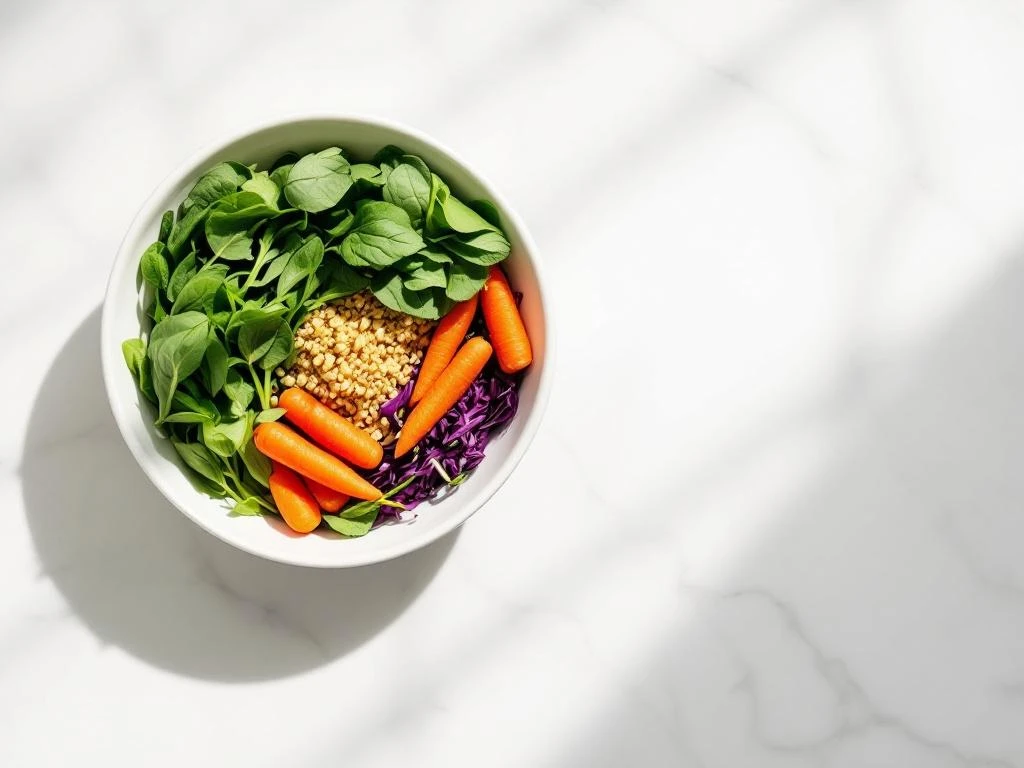
Struggling with bloating, cramping, and unpredictable digestive symptoms after meals? FODMAP—Fermentable Oligosaccharides, Disaccharides, Monosaccharides, And Polyols—are short-chain carbohydrates that trigger discomfort in sensitive individuals. This comprehensive beginner’s guide explains the science behind FODMAP sensitivity, identifies high and low FODMAP foods, and walks you through the proven three-phase diet protocol. Research shows approximately 75% of IBS patients experience significant relief using this approach. Whether you’re newly diagnosed or seeking answers to persistent digestive issues, understanding FODMAPs can transform your relationship with food and help you reclaim control over your symptoms.