
Are potatoes a FODMAP?

Most common potato varieties are low FODMAP and safe for people with IBS, making them an excellent carbohydrate choice. White, red, and russet potatoes contain minimal FODMAPs when consumed in appropriate portions (about 180 grams per serving). Unlike foods high in problematic carbohydrates, potatoes consist mainly of starch that your digestive system absorbs efficiently. Learn which types work best, how to prepare them without triggering symptoms, and what portion sizes keep you comfortable while enjoying this versatile vegetable.
Are bananas a FODMAP?

Bananas can be low or high FODMAP depending on their ripeness. Unripe (green) bananas are safe for IBS sufferers, containing resistant starch that’s easily digested. Ripe (yellow with brown spots) bananas have higher fructose levels that may trigger digestive symptoms. Understanding this ripeness distinction helps you enjoy bananas while managing IBS effectively. Learn the recommended serving sizes, why biochemical changes during ripening matter, and discover excellent low FODMAP fruit alternatives like strawberries, blueberries, and kiwi that provide similar nutritional benefits without digestive distress.
Is peanut butter a FODMAP?
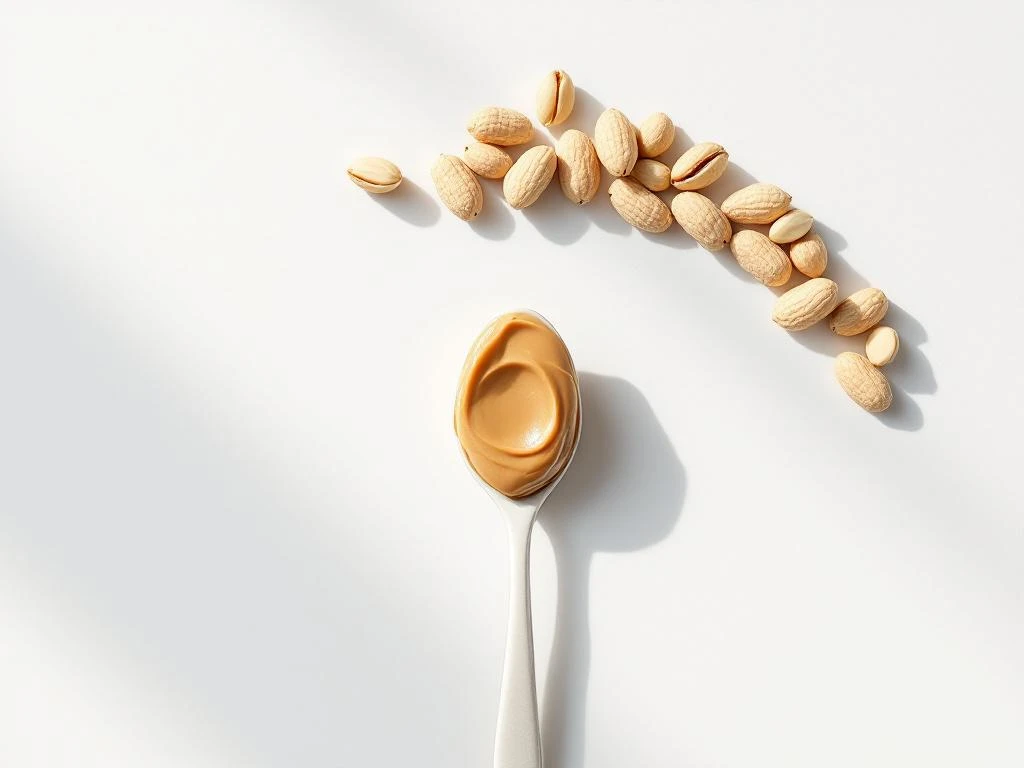
Natural peanut butter is low FODMAP in controlled portions of up to 2 tablespoons (32g), according to Monash University testing. However, portion control is critical—larger amounts cause FODMAP accumulation that can trigger IBS symptoms. Beyond FODMAPs, the high fat content may cause digestive issues in sensitive individuals. Choosing natural varieties without honey, high fructose corn syrup, or added fibres like inulin ensures you’re avoiding hidden triggers while enjoying this protein-rich spread on your low FODMAP diet.
What are the 5 FODMAPs?

The 5 FODMAPs—Fermentable Oligosaccharides, Disaccharides, Monosaccharides, And Polyols—are short-chain carbohydrates that trigger digestive symptoms in sensitive individuals. These poorly absorbed compounds ferment in your colon, causing bloating, pain, and IBS symptoms. Understanding each category helps identify your specific triggers. From fructans in wheat and garlic to lactose in dairy and polyols in stone fruits, each FODMAP group affects digestion differently. Learn which foods contain these carbohydrates and discover how a systematic elimination and reintroduction approach reveals your personal triggers for lasting symptom relief.
Are eggs a high fodmap food?

Wondering if eggs fit your low FODMAP diet? Great news: eggs are completely FODMAP-free and safe for IBS management. Made entirely of protein and fat without carbohydrates, eggs won’t trigger FODMAP-related symptoms. This comprehensive guide explains why eggs are IBS-friendly, shares safe preparation methods, addresses potential non-FODMAP triggers, and provides practical meal ideas to help you confidently include this versatile protein in your digestive-friendly eating plan.
What are the six FODMAPs?
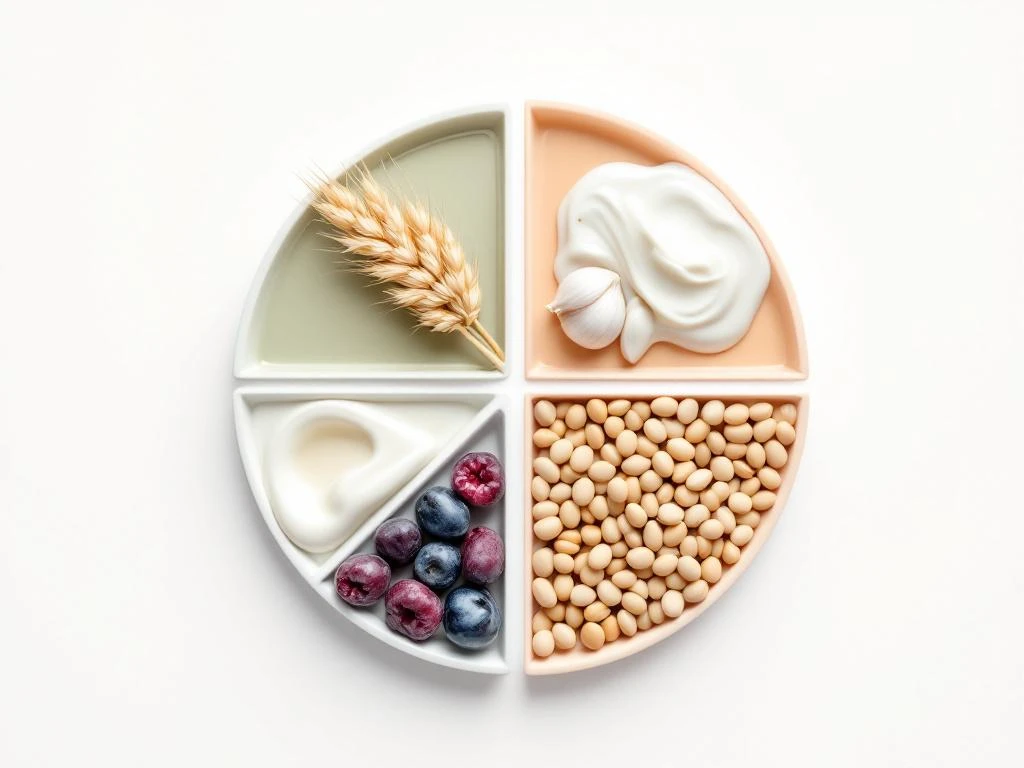
The six FODMAPs are fermentable carbohydrate groups that can cause digestive distress in sensitive individuals. These include oligosaccharides (fructans and GOS), disaccharides (lactose), monosaccharides (excess fructose), and polyols (sorbitol and mannitol). Each category appears in different everyday foods—from wheat and dairy to fruits and sugar-free products. Understanding which FODMAP groups trigger your IBS symptoms through systematic testing helps you create a personalized eating plan that brings relief without unnecessary food restrictions.
What vegetables should you avoid with IBS?
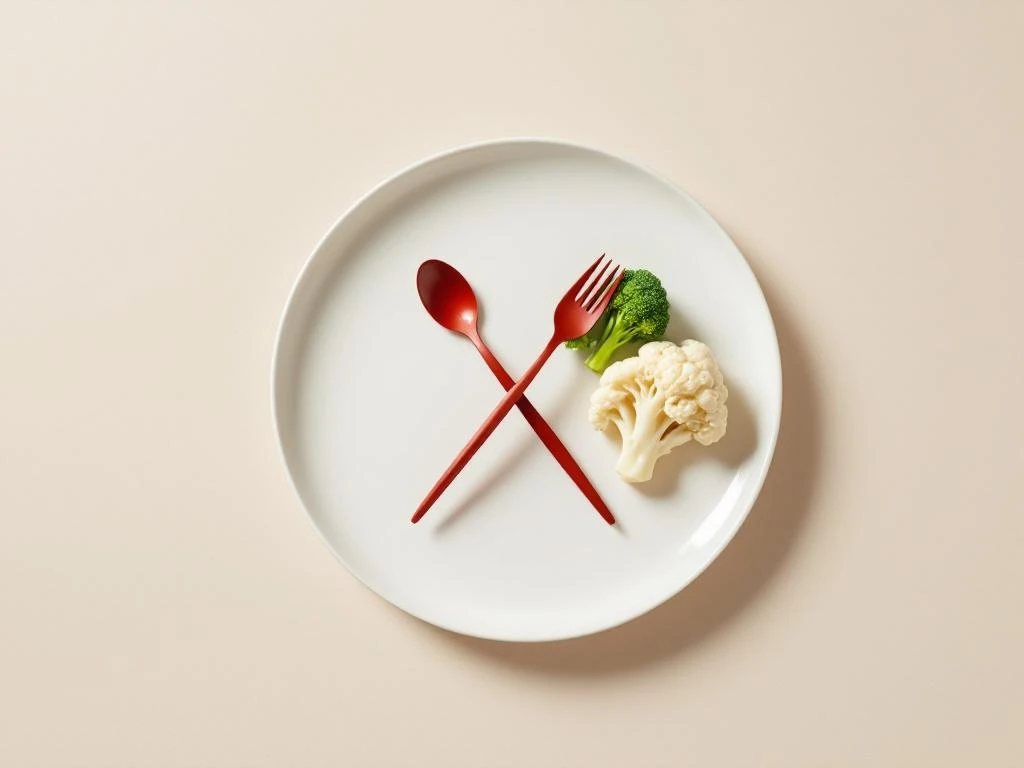
Managing IBS means understanding which vegetables trigger your symptoms. High FODMAP vegetables like onions, garlic, cauliflower, and mushrooms contain fermentable carbohydrates that cause bloating, gas, and pain in sensitive digestive systems. However, low FODMAP alternatives like carrots, bell peppers, and spinach provide essential nutrients without discomfort. The good news? Most people can reintroduce some vegetables after completing an elimination phase. Learn which vegetables to avoid, safe alternatives to enjoy, and how to systematically reintroduce foods to build a varied, symptom-free diet tailored to your unique digestive system.
What meat is not low in FODMAP?
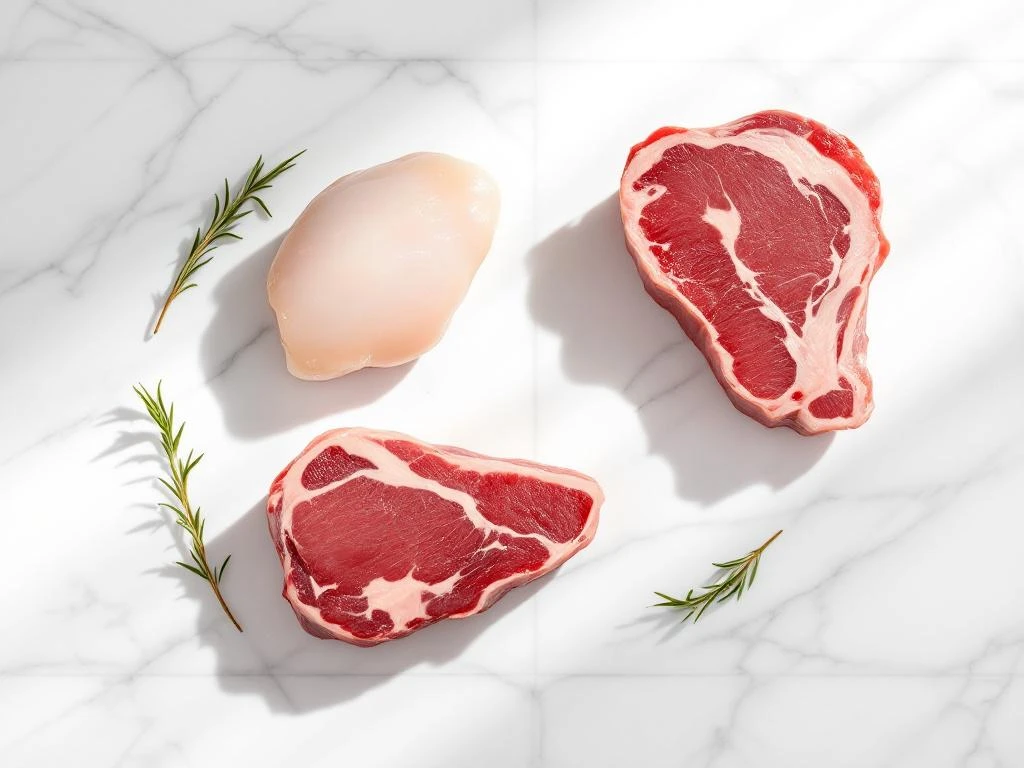
Plain, unprocessed meat is naturally low in FODMAPs because it contains no carbohydrates. Fresh beef, chicken, pork, lamb, fish, and seafood are all safe choices on a low FODMAP diet. The FODMAP concern arises entirely from what’s added during processing—marinades with garlic or onion, wheat-based breadings, or additives like inulin. Discover which processed meats to avoid, how to identify high FODMAP ingredients on labels, and shopping strategies for maintaining a symptom-free diet while enjoying delicious protein-rich meals.
What is the best breakfast for IBS sufferers?
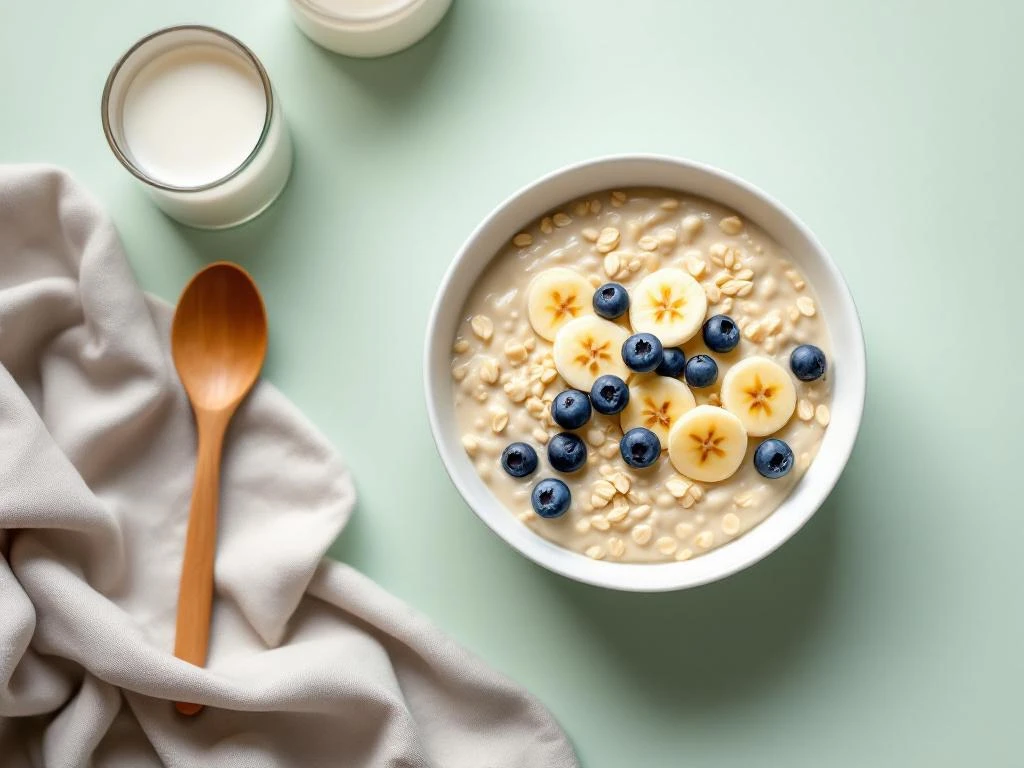
Managing IBS starts with your first meal. The right breakfast choices—like porridge with lactose-free milk, eggs with gluten-free toast, or rice cakes with peanut butter—can minimize bloating, cramping, and discomfort throughout your morning. Understanding low FODMAP options, avoiding common triggers like wheat-based cereals and regular milk, and structuring your morning routine properly makes a significant difference. Discover which proteins, grains, and fruits work best, plus practical meal combinations and timing strategies that help regulate your digestive system and reduce unpredictable symptoms.
Can you eat peanut butter with FODMAP?
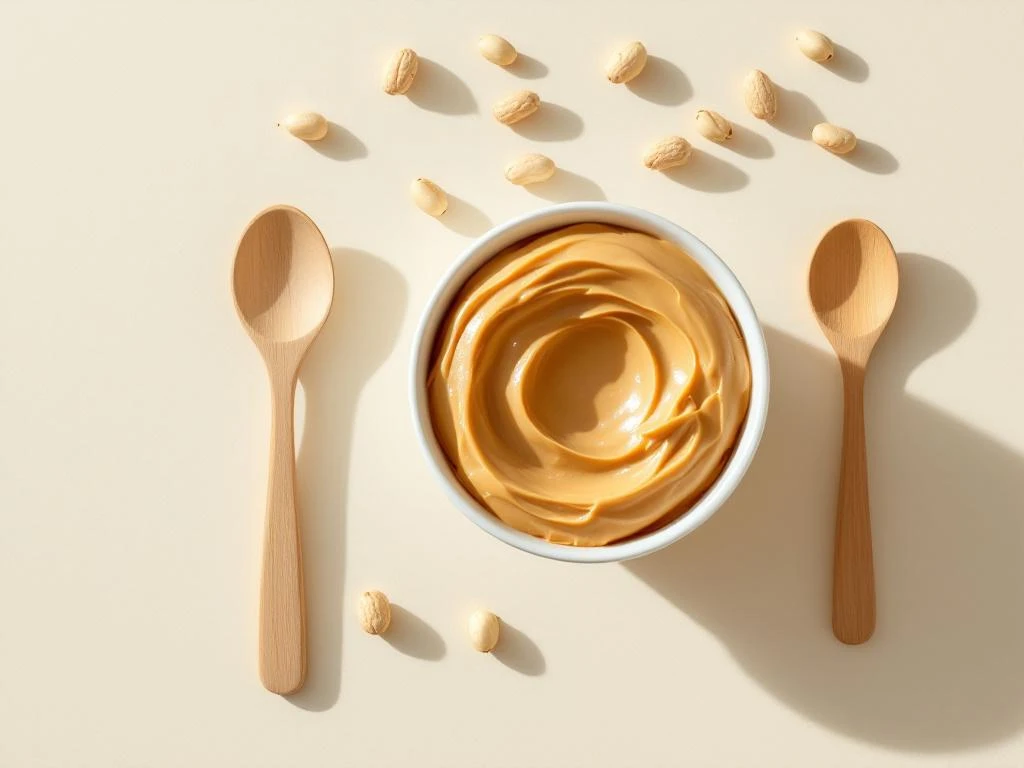
Yes, you can enjoy peanut butter on a low FODMAP diet! Natural peanut butter is safe in 2-tablespoon servings, making it a nutritious option for IBS management. The key is choosing 100% natural varieties without high FODMAP additives like honey or high fructose corn syrup. Learn the exact portions approved by Monash University, discover which types to avoid, and explore alternatives like macadamia butter and tahini. Whether you’re in the elimination phase or testing your tolerance, this guide helps you enjoy nut butters while keeping digestive symptoms under control.