
When dealing with digestive issues like IBS or following a low-FODMAP diet, understanding which foods can help heal and repair your colon becomes essential for long-term wellness. The right foods can reduce inflammation, promote healing, and support overall gut health while you follow dietary restrictions.
Colon healing involves more than just avoiding trigger foods. It requires a strategic approach to nutrition that includes anti-inflammatory ingredients, gut-supporting nutrients, and foods that align with your specific dietary needs. Whether you’re managing IBS symptoms or recovering from digestive distress, the foods you choose can significantly affect your healing journey.
What foods are proven to heal and repair the colon?
Foods that support colon healing include anti-inflammatory options such as bone broth, omega-3-rich fish, leafy greens, and low-FODMAP vegetables like carrots, zucchini, and spinach. These foods provide essential nutrients while reducing intestinal inflammation and supporting tissue repair.
Bone broth stands out as particularly beneficial because it contains collagen and amino acids such as glycine and glutamine that support intestinal lining repair. The gelatin in bone broth may help support the intestinal barrier, which can be especially important for people dealing with increased intestinal permeability.
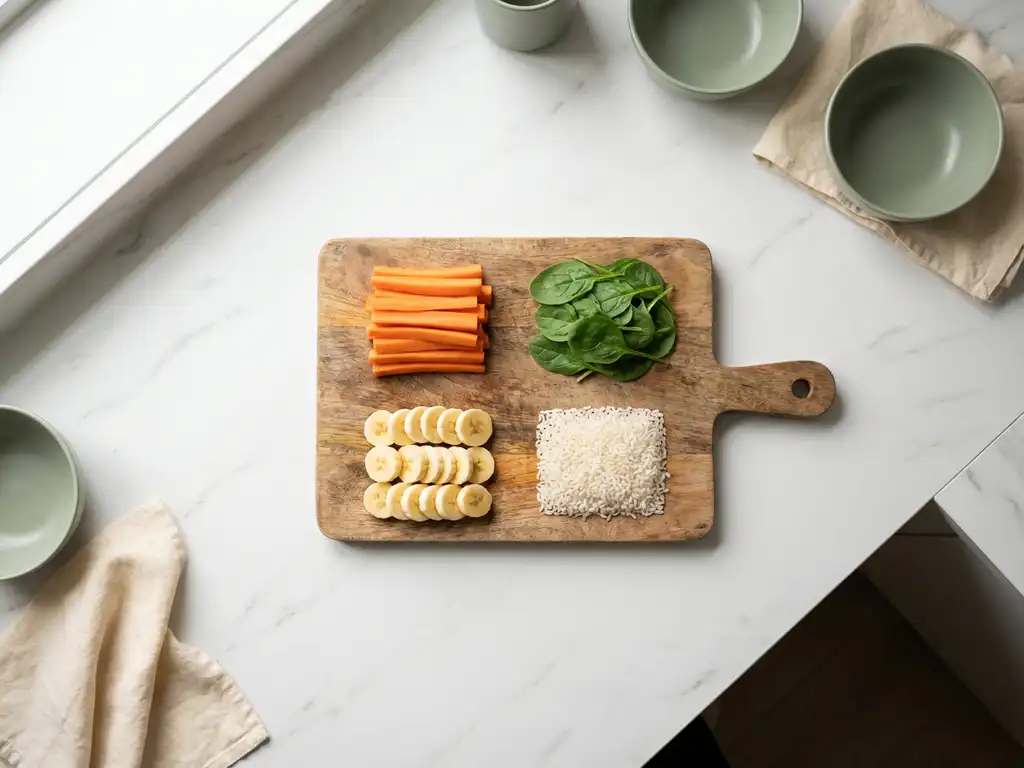
Low-FODMAP vegetables play a vital role in colon healing while helping you avoid digestive triggers. Carrots provide beta-carotene and fiber that support gut health without causing excessive fermentation. Zucchini offers gentle fiber and potassium, while spinach delivers folate and antioxidants that help combat inflammation.
Fatty fish such as salmon, mackerel, and sardines provide omega-3 fatty acids that help reduce inflammation throughout the digestive tract. These healthy fats help modulate the immune response and may decrease inflammatory markers in the colon.
How does fiber help heal colon inflammation?
Soluble fiber can help soothe colon inflammation by feeding beneficial gut bacteria, supporting the production of protective short-chain fatty acids, and forming a gel-like barrier that can calm irritated intestinal walls. However, for those on a low-FODMAP diet, choosing the right fiber sources is crucial to avoid triggering symptoms.
The key is understanding that not all fiber affects the digestive system equally. Soluble fiber from low-FODMAP sources such as oats, chia seeds, and psyllium husk can be particularly helpful. These fibers dissolve in water to form a protective gel that coats the intestinal lining and reduces direct contact with irritants.
When beneficial bacteria ferment soluble fiber, they produce short-chain fatty acids such as butyrate, which serve as a primary fuel source for colon cells. This process not only nourishes the intestinal lining but also helps maintain the integrity of the gut barrier and reduce inflammation.
For individuals following a low-FODMAP diet, it’s important to introduce fiber gradually and choose sources that are less likely to cause symptoms. Starting with small amounts of well-tolerated fiber sources and slowly increasing intake allows the digestive system to adapt without causing distress.
Which probiotics are best for colon healing?
The most effective probiotics for colon healing include Lactobacillus plantarum, Bifidobacterium longum, and Lactobacillus rhamnosus. These strains have been studied for their anti-inflammatory properties and their ability to support the intestinal barrier, and they can fit well within low-FODMAP dietary approaches.
Lactobacillus plantarum stands out for its ability to survive stomach acid and establish itself in the colon, where it produces beneficial compounds that reduce inflammation and support immune function. Research suggests this strain may help reduce inflammatory markers and improve intestinal permeability.
Bifidobacterium longum can be particularly beneficial for people with IBS symptoms, as it may help regulate bowel movements and reduce abdominal pain. This strain also produces vitamins and short-chain fatty acids that nourish colon cells and support overall digestive health.
When incorporating probiotics while following a low-FODMAP diet, it’s important to choose supplements rather than relying solely on fermented foods, as many traditional probiotic foods such as yogurt or kefir may contain high-FODMAP ingredients. Look for multi-strain formulas that include these specific bacteria and avoid added prebiotics that might trigger symptoms.
What foods should you avoid while healing your colon?
During colon healing, avoid high-FODMAP foods such as onions, garlic, wheat, and certain fruits, as well as processed foods, excessive caffeine, alcohol, and artificial sweeteners that can irritate the intestinal lining and promote inflammation. These foods can undermine healing progress and trigger symptoms.
High-FODMAP foods are particularly problematic during healing because they can ferment rapidly in the colon, producing gas and drawing water into the intestines. This fermentation process can stretch intestinal walls, increase discomfort, and worsen symptoms such as bloating, cramping, and changes in bowel movements.
Processed foods containing artificial additives, preservatives, and emulsifiers can disrupt the gut microbiome and increase intestinal permeability. These ingredients can interfere with the natural healing process and contribute to chronic, low-grade inflammation in the digestive tract.
Alcohol and excessive caffeine can irritate the intestinal lining and increase stomach acid production, potentially worsening inflammation. They can also interfere with sleep quality and stress regulation, both of which play crucial roles in digestive healing and immune function.
How long does it take for healing foods to repair the colon?
Colon healing through dietary changes typically takes 4–12 weeks to show significant improvement, with initial symptom relief often occurring within 1–2 weeks of following a healing protocol. The timeline varies based on the severity of inflammation, individual healing capacity, and consistency with dietary modifications.
The intestinal lining has a remarkable ability to regenerate, with cells turning over every 3–5 days under normal conditions. However, when inflammation is present, this process can slow significantly. Following a low-FODMAP diet combined with supportive foods can help optimize this natural regeneration process.
During the first two weeks, many people notice reduced bloating, less abdominal pain, and more regular bowel movements as inflammatory triggers are removed. The second month typically brings deeper improvements as the gut microbiome begins to rebalance and the intestinal barrier strengthens.
Factors that can accelerate healing include stress management, adequate sleep, regular gentle exercise, and consistent adherence to dietary modifications. Conversely, continued exposure to trigger foods, high stress levels, or poor sleep can significantly extend the healing timeline.
Can certain foods prevent colon problems from returning?
Yes, maintaining a diet rich in anti-inflammatory foods, appropriate fiber sources, and probiotic-supporting options—while avoiding personal trigger foods—can help prevent colon problems from returning. A well-planned low-FODMAP maintenance diet can provide this protective foundation while supporting nutritional adequacy.
The key to prevention is understanding your individual tolerance levels through the systematic reintroduction of foods after the initial healing phase. This process helps identify which specific FODMAPs or other foods trigger your symptoms, allowing you to create a personalized long-term eating plan.
Regular consumption of supportive foods such as bone broth, omega-3-rich fish, and well-tolerated vegetables can help maintain intestinal integrity and keep inflammation levels low. These foods provide ongoing support for the gut barrier and beneficial bacterial populations.
Stress management and lifestyle factors play equally important roles in prevention. Chronic stress can undermine dietary improvements by increasing cortisol levels and promoting inflammation. Combining a therapeutic diet with stress-reduction techniques, consistent sleep habits, and appropriate physical activity creates the most effective prevention strategy.
This article is for informational purposes only and does not constitute medical or dietary advice. Please consult a healthcare professional before making any changes to your diet.
Related Articles
- Egg White and Veggie Breakfast Burrito
- Gluten-Free Raspberry Lemon Muffins
- Is lettuce low in FODMAP?
- What is the easiest protein to digest?
- How many poos a day is normal with IBS?