
Experiencing an IBS flare-up can be overwhelming, especially when you’re unsure which foods might help calm your symptoms or which ones could make things worse. Understanding how different foods interact with your digestive system during these challenging times is crucial for managing your condition effectively.
The low FODMAP diet has emerged as one of the most evidence-based approaches for managing IBS symptoms, offering a structured way to identify trigger foods while incorporating gut-friendly options that can help soothe inflammation and reduce discomfort during flare-ups.
What foods should you eat during an IBS flare-up?
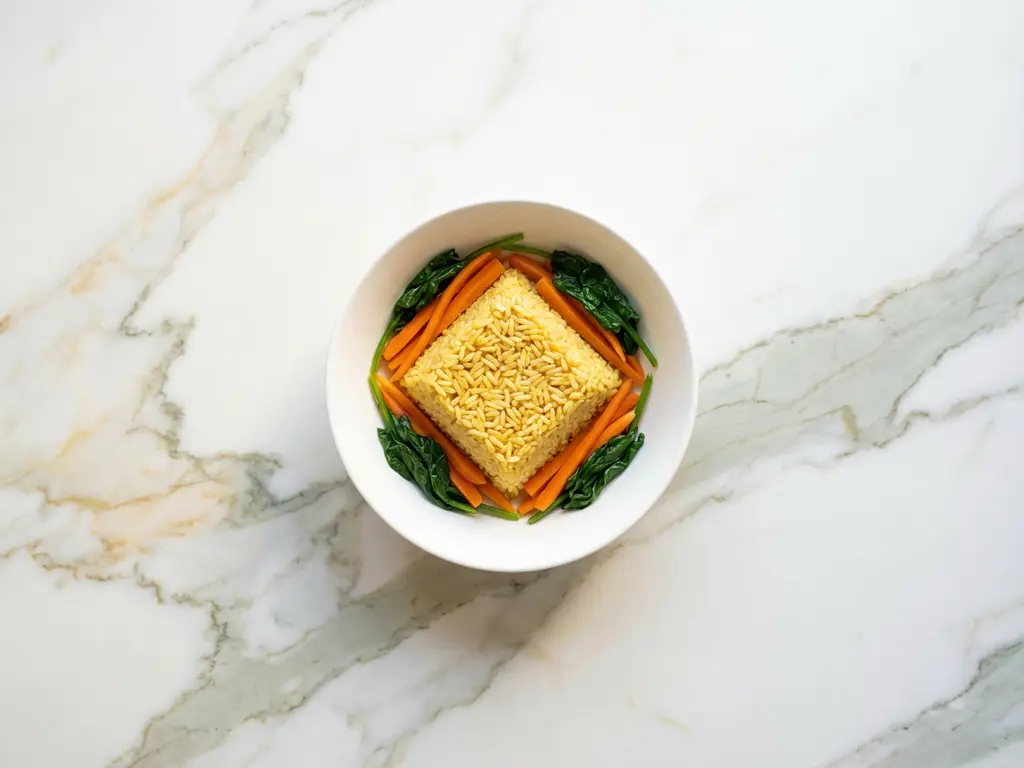
During an IBS flare-up, focus on easily digestible, low FODMAP foods such as white rice, bananas, lean proteins like chicken or fish, and cooked carrots. These foods are gentle on the digestive system and less likely to trigger additional symptoms while your gut recovers.
The best foods during a flare-up are those that require minimal digestive effort and won’t ferment in your intestines. Plain white rice serves as an excellent base because it’s bland, low in fiber, and easily absorbed. Bananas provide potassium and natural sugars without the high FODMAP content found in many other fruits.
Lean proteins are essential during recovery, but preparation matters. Grilled or baked chicken breast, white fish, and eggs are typically well tolerated. Avoid fatty cuts of meat or heavily seasoned preparations that could irritate your already sensitive digestive system.
Cooked vegetables are generally safer than raw ones during flare-ups. Carrots, zucchini, and green beans become more digestible when softened through cooking. The low FODMAP diet specifically identifies these vegetables as safe options that won’t contribute to gas, bloating, or other uncomfortable symptoms.
How quickly can food calm IBS symptoms?
Food can begin calming IBS symptoms within 30 minutes to 2 hours of consumption, though complete relief may take 24 to 48 hours, depending on the severity of your flare-up and the specific foods chosen. Simple, easily digestible options typically provide faster relief than complex meals.
The speed of symptom relief depends on several factors, including what triggered your flare-up, how long symptoms have persisted, and your individual digestive response. Liquids and soft foods generally work faster than solid, fiber-rich options because they require less digestive energy.
For immediate relief, warm liquids like herbal teas or clear broths often provide the quickest comfort. These help hydrate your system while being gentle on inflamed intestinal walls. Following the low FODMAP diet principles during recovery can help ensure you’re not inadvertently prolonging your symptoms with problematic foods.
Keep in mind that while some foods can provide relatively quick relief, fully resolving a flare-up typically requires consistent dietary choices over several days. Patience and consistency with gut-friendly foods will yield the best long-term results.
What’s the difference between IBS flare-up foods and elimination diet foods?
IBS flare-up foods are immediate comfort options designed to calm active symptoms, while elimination diet foods represent a broader, systematic approach to identifying long-term triggers. Flare-up foods prioritize digestibility and symptom relief, whereas elimination diets focus on comprehensive trigger identification.
During a flare-up, your food choices are reactive and focused on damage control. You’re selecting the blandest, most easily digestible options to give your gut time to recover. This might mean temporarily avoiding even some low FODMAP foods if they’re high in fiber or difficult to digest.
The elimination phase of a low FODMAP diet, however, is proactive and systematic. You’re following a structured protocol to remove all high FODMAP foods for 2 to 6 weeks, then systematically reintroducing them to identify your personal triggers. This process requires more variety and nutritional balance than flare-up management.
Both approaches serve important but different purposes in IBS management. Flare-up foods help you get through acute episodes, while elimination diet protocols help you understand your long-term dietary needs and prevent future flare-ups.
Which drinks help calm an upset IBS stomach?
Peppermint tea, ginger tea, and plain water are the most effective drinks for calming an upset IBS stomach. These beverages have anti-inflammatory properties and won’t introduce additional FODMAPs that could worsen symptoms during a flare-up.
Peppermint tea contains menthol, which has natural antispasmodic properties that can help relax the muscles in your digestive tract. This makes it particularly effective for cramping and abdominal pain associated with IBS flare-ups. Choose pure peppermint tea without added ingredients that might contain high FODMAPs.
Ginger tea offers anti-inflammatory benefits and can help with nausea that sometimes accompanies IBS symptoms. Fresh ginger root steeped in hot water is ideal, but ensure any commercial ginger teas don’t contain high FODMAP additives like honey or artificial sweeteners.
Plain water remains crucial during flare-ups, especially if you’re experiencing diarrhea. Staying hydrated helps your digestive system function properly and can prevent dehydration-related complications. Room-temperature or slightly warm water is often better tolerated than ice-cold drinks during active symptoms.
How do you know if a food is making your IBS worse?
A food is likely making your IBS worse if you experience increased bloating, cramping, gas, or changes in bowel movements within 2 to 24 hours of eating it. Keeping a detailed food and symptom diary helps identify these patterns and potential trigger foods.
Symptom timing varies between individuals, but most people notice reactions within a few hours of consuming problematic foods. High FODMAP foods typically cause symptoms faster than other triggers because they ferment quickly in the small intestine, producing gas and drawing water into the bowel.
Physical symptoms to watch for include abdominal distension, sharp or cramping pains, excessive gas, and sudden changes in stool consistency or frequency. Some people also experience non-digestive symptoms like fatigue, headaches, or mood changes when consuming trigger foods.
The most reliable way to identify problem foods is through systematic tracking. Record everything you eat along with the timing and severity of any symptoms. Over time, patterns will emerge that help you identify your personal trigger foods and make informed decisions about your diet.
What mistakes make IBS flare-ups last longer?
The most common mistakes that prolong IBS flare-ups include eating high FODMAP foods too soon, consuming large meals instead of smaller portions, and introducing multiple new foods simultaneously. These behaviors can re-trigger symptoms just as your digestive system begins to recover.
Many people make the mistake of returning to their normal diet too quickly once they feel slightly better. This premature reintroduction of potentially problematic foods often causes a relapse, making the recovery period much longer than necessary. Following low FODMAP guidelines during recovery helps prevent this common setback.
Portion size matters significantly during flare-ups. Even safe foods can become problematic when eaten in large quantities because they overwhelm your already sensitive digestive system. Eating smaller, more frequent meals allows your gut to process food more easily without triggering additional symptoms.
Stress and poor sleep habits can also extend flare-up duration, though these aren’t directly food-related mistakes. However, combining dietary mistakes with lifestyle factors creates a perfect storm for prolonged symptoms. Focusing on gentle, low FODMAP foods while managing stress levels provides the best foundation for quick recovery.
This article is for informational purposes only and is not medical or dietary advice. Please consult a healthcare professional before making any changes to your diet.
Related Articles
- What ice cream is low FODMAP?
- Which fruit is highest in FODMAPs?
- What is a good bedtime snack for IBS?
- Coconut Flour Orange Muffins
- Egg and Tomato Breakfast Wrap