
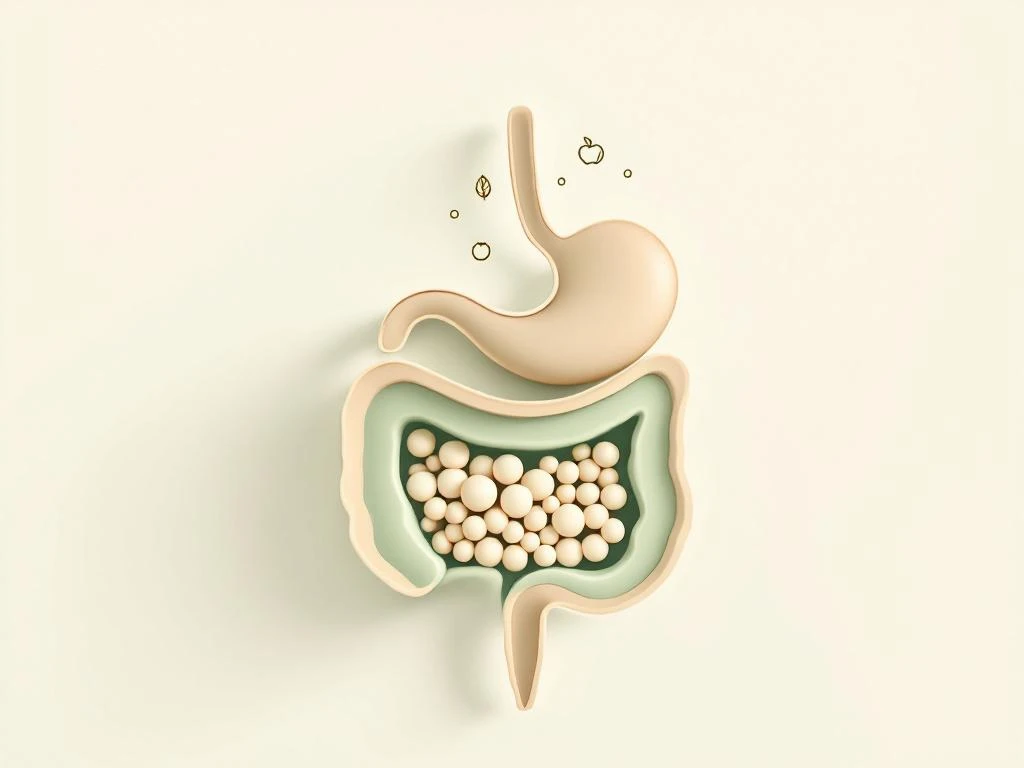
Have you ever wondered why certain foods leave you feeling bloated, uncomfortable, and reaching for loose clothing? The answer might lie in a fascinating digestive process happening deep within your gut. When you eat foods containing specific carbohydrates, your intestinal bacteria get to work breaking them down through fermentation. For most people, this happens quietly in the background. But if you have IBS or digestive sensitivities, this same natural process can trigger a cascade of uncomfortable symptoms that significantly impact your daily life. Understanding how FODMAP fermentation affects your gut is the first step towards taking control of your digestive health and finding lasting relief.
What is FODMAP fermentation?
FODMAP fermentation is a digestive process where gut bacteria break down poorly absorbed carbohydrates in your intestinal tract. FODMAP stands for Fermentable Oligosaccharides, Disaccharides, Monosaccharides, and Polyols, and the first word in that acronym tells you everything you need to know about what makes these carbohydrates special: they ferment.
When you consume foods containing FODMAPs, these carbohydrates travel through your digestive system. Unlike easily digestible nutrients that get absorbed in your small intestine, FODMAPs resist complete absorption and continue their journey into your colon. Once there, trillions of bacteria residing in your gut eagerly consume these carbohydrates as their primary food source.
This bacterial feast produces natural byproducts, primarily gases such as hydrogen, methane, and carbon dioxide, along with short-chain fatty acids. In a healthy digestive system, this process contributes to gut health by nourishing the cells lining your colon and supporting beneficial bacteria. The production of short-chain fatty acids actually plays important roles in maintaining intestinal barrier function and overall gut wellness.
The challenge arises when this fermentation process becomes excessive or when your digestive system responds with heightened sensitivity. The volume and speed of gas production, combined with the osmotic effect of unabsorbed carbohydrates drawing water into your intestines, creates the perfect storm for digestive discomfort. This is precisely why understanding FODMAP gut health becomes crucial for anyone experiencing IBS symptoms.
Why FODMAPs ferment in your digestive system
The fundamental reason FODMAPs undergo fermentation rather than complete absorption lies in their molecular structure and your body’s digestive capabilities. These carbohydrates share specific characteristics that make them resistant to the typical breakdown and absorption processes in your small intestine.
Some FODMAPs are simply too large or complex for your digestive enzymes to break down efficiently. Oligosaccharides like fructans and galacto-oligosaccharides (GOS) fall into this category. Humans lack the specific enzymes needed to cleave the bonds holding these sugar chains together, so they pass through the small intestine largely intact.
Other FODMAPs encounter absorption challenges due to limited transport mechanisms. Fructose, for instance, requires specific carrier proteins to cross the intestinal wall. When you consume fructose in amounts exceeding glucose (which helps with fructose absorption), or when these transport systems are overwhelmed, the excess fructose continues through to the colon where gut bacteria FODMAPs await.
Lactose presents yet another scenario. This disaccharide requires the enzyme lactase for breakdown into absorbable simple sugars. Many adults produce insufficient lactase, leading to lactose malabsorption and subsequent fermentation in the lower digestive tract.
Polyols like sorbitol and mannitol are sugar alcohols that absorb slowly and incompletely even in people with perfectly functioning digestive systems. Their molecular structure makes them naturally resistant to efficient absorption, guaranteeing that a significant portion reaches the colon ready for bacterial fermentation.
The key insight is that FODMAP fermentation isn’t a malfunction of your digestive system, it’s a natural consequence of consuming carbohydrates your body cannot fully absorb in the small intestine.
How gut bacteria interact with FODMAPs
Your gut houses a complex ecosystem of microorganisms collectively known as your microbiome. This community contains hundreds of different bacterial species, each with unique metabolic preferences and capabilities. When FODMAPs arrive in your colon, various bacterial populations compete to consume these fermentable carbohydrates.
Different bacteria specialise in fermenting different FODMAP types. Some bacterial species excel at breaking down fructans, whilst others prefer GOS or polyols. This metabolic diversity means that the specific composition of your microbiome influences how quickly and intensely digestive fermentation occurs when you eat FODMAP-containing foods.
The fermentation timeline varies depending on several factors: the type and quantity of FODMAPs consumed, your gut transit time, and your individual bacterial composition. Generally, fermentation begins within hours of eating and can continue for an extended period as bacteria work through the available carbohydrate substrate. This explains why FODMAP symptoms sometimes appear quickly after eating whilst other times they develop more gradually.
During fermentation, bacteria produce various gases at different rates. Hydrogen gas typically appears early in the fermentation process, whilst methane production (which only occurs in people harbouring specific methane-producing microorganisms) may follow. The total volume of gas produced depends on both the amount of substrate available and the efficiency of your gut bacteria at fermenting it.
Normal fermentation is actually beneficial, producing those valuable short-chain fatty acids that nourish your gut lining. The problem emerges when fermentation becomes excessive or when your gut responds abnormally to normal fermentation levels. Individual microbiome variations mean that two people eating identical FODMAP-containing meals may experience vastly different fermentation outcomes, explaining why food tolerance is so personal.
What symptoms does FODMAP fermentation cause?
The symptoms triggered by FODMAP fermentation stem from two primary mechanisms: gas production and osmotic effects. Understanding these mechanisms helps explain why IBS fermentation creates such diverse and uncomfortable experiences.
Bloating and distension occur when fermentation produces gas faster than your body can absorb or expel it. This trapped gas stretches your intestinal walls, creating that uncomfortable feeling of fullness and visible abdominal swelling. The location and intensity of bloating often correlate with where fermentation is most active and how sensitive your gut nerves are to stretching.
Abdominal pain and cramping arise from multiple sources during fermentation. Gas accumulation creates pressure and stretching sensations. The increased fluid content from osmotic effects can trigger cramping as your intestines work harder to move contents through. For those with visceral hypersensitivity (heightened nerve sensitivity in the gut), even normal amounts of gas and fluid movement register as painful.
Altered bowel movements reflect the osmotic properties of unabsorbed FODMAPs. These carbohydrates draw water into your intestinal lumen, increasing the fluid content of your stool. This explains the diarrhoea that often accompanies high FODMAP intake. Conversely, some people experience constipation, potentially due to methane production which slows gut transit, or from altered gut motility patterns triggered by fermentation.
The connection between fermentation rate and symptom severity is significant. Rapid, intense fermentation typically produces more severe symptoms than slow, gradual fermentation. This is why portion sizes matter so much, eating a small amount of a high FODMAP food might cause minimal fermentation and mild symptoms, whilst a large portion overwhelms your system with substrate for bacterial fermentation.
Recognise your personal fermentation triggers
Identifying which specific FODMAPs cause problematic fermentation in your digestive system requires systematic observation and testing. This personalised approach recognises that whilst FODMAPs affect many people with IBS, individual tolerance varies dramatically.
Symptom tracking forms the foundation of trigger identification. Keeping a detailed food and symptom diary helps you recognise patterns between what you eat and how you feel. Record not just the foods consumed but also portion sizes, meal timing, and symptom onset. This information reveals whether your symptoms appear quickly (suggesting rapid fermentation) or develop over hours (indicating slower fermentation processes).
The elimination and reintroduction process provides the most reliable method for identifying personal triggers. During elimination, you temporarily remove high FODMAP foods to establish a symptom baseline. This phase typically lasts several weeks and allows your gut to settle whilst reducing overall fermentation activity. Once symptoms improve, you systematically reintroduce individual FODMAP groups one at a time, observing your response to each.
Understanding individual tolerance thresholds proves crucial. You might tolerate small amounts of certain FODMAPs without symptoms because the fermentation they produce remains below your personal threshold for discomfort. Exceed that threshold, however, and symptoms emerge. This dose-dependent response explains why you might enjoy a small serving of a food one day but experience symptoms after a larger portion another day.
The cumulative FODMAP effect adds another layer of complexity. FODMAPs from different foods and categories consumed throughout the day add up, potentially triggering symptoms even when individual foods stay within tolerable amounts. Recognising this stacking effect helps you make strategic choices about which FODMAP-containing foods to include in your diet and when to enjoy them.
Why fermentation affects IBS differently
The same fermentation process that causes minimal symptoms in people without IBS can create significant discomfort for those with digestive sensitivities. Several physiological differences explain this disparity and shed light on why managing FODMAP symptoms becomes essential for IBS sufferers.
Visceral hypersensitivity represents one of the most significant factors. People with IBS often have heightened sensitivity in the nerves lining their digestive tract. Normal amounts of gas, stretching, or movement that wouldn’t register as uncomfortable in someone without IBS trigger pain signals in those with heightened sensitivity. This means even typical levels of gut fermentation produce exaggerated symptom responses.
Altered gut motility changes how your digestive system handles fermentation byproducts. Some people with IBS experience rapid transit, where contents move through the gut too quickly, contributing to diarrhoea and reducing time for gas absorption. Others have slow transit, allowing more time for fermentation to occur and gas to accumulate, leading to severe bloating and constipation. These motility patterns amplify the impact of fermentation on symptom experience.
Dysbiosis, or imbalance in gut bacterial composition, may intensify fermentation problems. An altered microbiome might contain higher proportions of gas-producing bacteria or lack sufficient bacteria that consume hydrogen gas (reducing overall gas levels). This bacterial imbalance can make fermentation more problematic even with moderate FODMAP intake. You can explore the scientific mechanisms behind FODMAP sensitivity to understand these complex interactions better.
The intestinal barrier function also differs in many IBS cases. A compromised gut barrier may trigger immune responses and inflammation that heighten sensitivity to fermentation byproducts. This creates a cycle where fermentation irritates an already sensitive system, perpetuating discomfort and digestive dysfunction.
Manage fermentation through dietary choices
Taking control of FODMAP fermentation through strategic food choices empowers you to reduce symptoms whilst maintaining nutritional adequacy and meal enjoyment. This practical application of fermentation knowledge transforms understanding into daily relief.
Implementing low FODMAP principles starts with identifying and temporarily limiting high FODMAP foods during the elimination phase. Focus on naturally low FODMAP alternatives: rice instead of wheat pasta, lactose-free dairy instead of regular milk, strawberries instead of apples. This reduces the substrate available for fermentation, allowing your gut to settle and symptoms to improve.
Portion control strategies prove essential because FODMAP tolerance is dose-dependent. Many foods contain FODMAPs in amounts that become problematic only in larger servings. Learning certified low FODMAP portion sizes helps you enjoy a wider variety of foods whilst keeping total fermentation within tolerable limits. A small handful of cashews might be fine, whilst a large snack portion triggers symptoms.
Food combination techniques help manage cumulative FODMAP effects throughout the day. Spreading FODMAP-containing foods across meals rather than concentrating them prevents overwhelming your system with fermentation substrate all at once. Pairing small amounts of higher FODMAP foods with predominantly low FODMAP meals maintains variety without exceeding your threshold.
Balancing gut health needs with nutritional adequacy requires thoughtful planning. Whilst reducing fermentation through FODMAP restriction helps manage symptoms, you still need adequate fibre, vitamins, and minerals. Include low FODMAP fruits, vegetables, and whole grains to support overall health. Consider working with a dietitian to ensure your modified diet meets all nutritional requirements whilst controlling fermentation.
Meal planning transforms fermentation management from reactive to proactive. Planning meals around low FODMAP ingredients, preparing fermentation-friendly recipes, and having suitable options readily available prevents impulsive food choices that might trigger symptoms. This strategic approach integrates fermentation knowledge into your daily routine, making symptom management feel natural rather than restrictive.
Remember that dietary management is highly individual. What works perfectly for one person might not suit another, even when both have IBS. Patience during the elimination and reintroduction process reveals your personal fermentation triggers and tolerance levels, enabling you to create a sustainable eating pattern that minimises uncomfortable gut fermentation whilst maximising food enjoyment and nutritional wellness.