
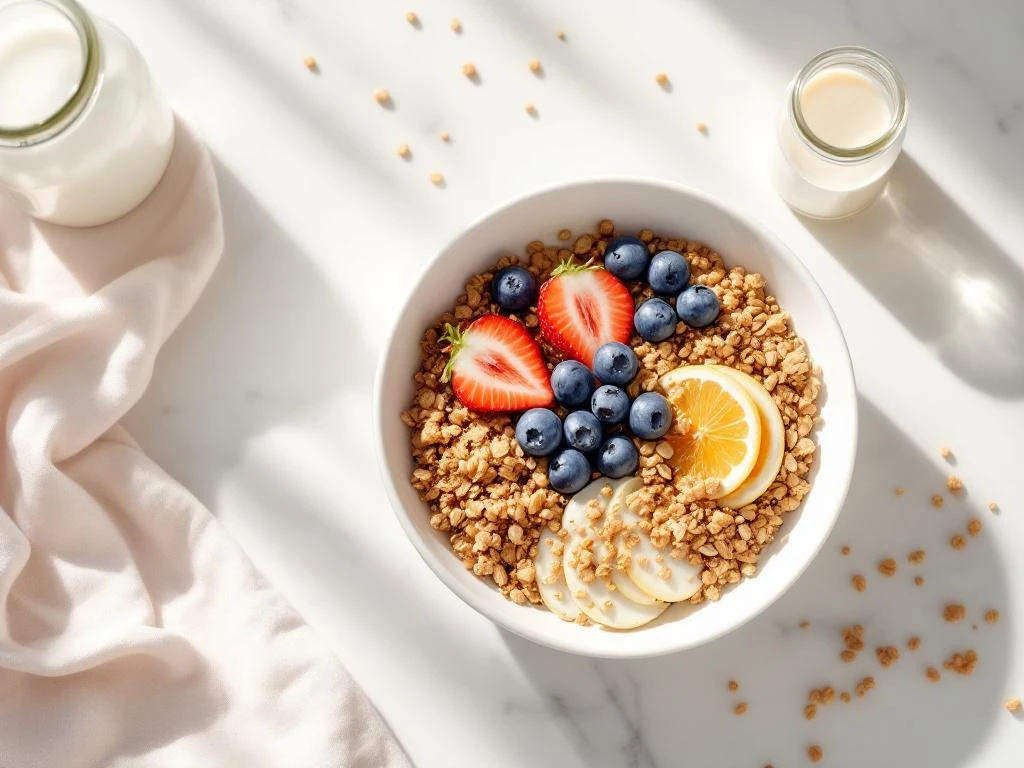
Starting your day with a nutritious, IBS-friendly meal shouldn’t mean sacrificing flavour or satisfaction. This quinoa breakfast granola bowl combines the protein-packed benefits of quinoa with crunchy low FODMAP granola and safe toppings to create a healthy breakfast bowl that’s gentle on your digestive system. Whether you’re new to the low FODMAP diet or looking for fresh breakfast ideas, this recipe delivers a delicious morning meal without the worry.
This guide is perfect for beginners with basic cooking skills. You’ll need about 20 minutes for preparation and cooking, plus time for cooling if you prefer your bowl chilled. The essential items you’ll need are quinoa, a small saucepan with lid, low FODMAP granola, and your choice of safe toppings. We’ll walk you through each step to ensure your quinoa breakfast bowl turns out perfectly every time.
Why quinoa makes the perfect low FODMAP breakfast base
Quinoa stands out as an exceptional choice for an IBS friendly breakfast because it’s naturally low FODMAP in appropriate portions. Unlike many traditional breakfast grains that can trigger digestive symptoms, quinoa remains safe when you stick to a serving size of 155g of cooked quinoa per meal. This ancient grain is also completely gluten-free, making it ideal for those managing both IBS and gluten sensitivities.
The nutritional profile of quinoa makes it particularly valuable for morning meals. It contains all nine essential amino acids, providing complete protein that keeps you satisfied throughout the morning. One serving delivers approximately 8g of protein, which helps stabilise blood sugar levels and prevents mid-morning energy crashes. The protein content also supports muscle maintenance and repair, especially important if you’ve been limiting other protein sources due to food sensitivities.
Quinoa offers additional benefits for digestive health beyond its FODMAP status. The grain provides gentle, soluble fibre that supports regular bowel movements without causing irritation. Its light, fluffy texture when properly cooked makes it easy to digest compared to dense breakfast options like certain oats or wheat-based cereals. The mild, slightly nutty flavour pairs beautifully with both sweet and savoury toppings, giving you endless variety in your quinoa breakfast recipe collection.
Gather your low FODMAP breakfast bowl ingredients
For the quinoa base, you’ll need 75g of uncooked white, red, or tri-colour quinoa, which yields approximately 155g when cooked. White quinoa cooks fastest and has the mildest flavour, whilst red quinoa offers a slightly earthier taste and holds its shape better. Choose whichever variety appeals to you, as all types are low FODMAP in the correct portions.
The granola component requires careful selection. Look for 45g of certified low FODMAP granola or make your own using rolled oats (up to 52g per serving), pumpkin seeds, sunflower seeds, and maple syrup. Many commercial granolas contain high FODMAP ingredients like honey, dried fruit with apple juice, or excess nuts, so always check labels carefully. We offer recipes for homemade low FODMAP granola that give you complete control over ingredients.
For safe fruit toppings, choose from these low FODMAP options:
- 40g of fresh blueberries
- 65g of sliced strawberries
- One small firm banana (100g maximum)
- 80g of fresh raspberries
- Two kiwi fruits, peeled and sliced
Additional safe toppings include 30g of walnuts or pecans, one tablespoon of chia seeds, one tablespoon of pumpkin seeds, a drizzle of maple syrup, and lactose-free milk or yoghurt. You can find specialty low FODMAP products at health food shops, larger supermarkets with free-from sections, or through online retailers specialising in digestive health foods.
Prepare perfectly cooked quinoa for breakfast bowls
Begin by measuring 75g of uncooked quinoa and placing it in a fine-mesh sieve. Rinse thoroughly under cold running water for 30 seconds, rubbing the grains gently between your fingers. This crucial step removes the natural coating called saponin, which can taste bitter and may irritate sensitive digestive systems. You’ll notice the water runs clear when the quinoa is properly rinsed.
Transfer the rinsed quinoa to a small saucepan and add 150ml of water for a standard 1:2 quinoa-to-water ratio. For a creamier breakfast texture, replace half the water with lactose-free milk. Bring the mixture to a boil over medium-high heat, then immediately reduce to low, cover with a tight-fitting lid, and simmer for 12 to 15 minutes. Resist the temptation to lift the lid during cooking, as escaping steam affects the final texture.
The quinoa is done when all liquid has been absorbed and tiny spirals (the germ) have separated from the seeds. Remove from heat and let stand, covered, for 5 minutes. This resting period allows the quinoa to finish steaming and results in light, fluffy grains. Fluff gently with a fork before using. For meal prep efficiency, cook a larger batch by multiplying the recipe by three or four. Store cooked quinoa in an airtight container in the refrigerator for up to five days, reheating portions as needed for quick gluten free breakfast bowl assembly.
Flavour enhancement options
For added depth, try cooking your quinoa with a cinnamon stick, a pinch of ground ginger, or a splash of vanilla extract. These low FODMAP spices complement the grain’s natural nuttiness without adding FODMAPs. You can also toast the rinsed, dried quinoa in the saucepan for two minutes before adding liquid, which intensifies the nutty flavour profile.
Assemble your quinoa breakfast granola bowl
Start with your prepared quinoa as the foundation. Spoon 155g of warm or cooled quinoa into a serving bowl, spreading it evenly across the bottom. The temperature choice depends on your preference and the season. Warm quinoa creates a comforting, porridge-like experience perfect for cold mornings, whilst chilled quinoa offers a refreshing option for warmer weather or those who prefer cold breakfast bowls.
Layer your low FODMAP granola next, measuring 45g carefully to maintain FODMAP safety. Sprinkle the granola over half the quinoa surface rather than covering it completely. This technique creates textural variety in each spoonful, allowing you to experience both the soft quinoa and crunchy granola in the same bite. The partial coverage also makes your bowl more visually appealing.
Arrange your chosen fruit in an attractive pattern. Place berries in small clusters, fan out kiwi slices, or create a simple line of strawberries down the centre. This thoughtful presentation transforms a basic healthy breakfast bowl into something special that you’ll actually look forward to eating. Add your nuts and seeds last, scattering them across the top for even distribution.
Finish with a drizzle of maple syrup if desired (one tablespoon maximum) and a splash of lactose-free milk or a dollop of lactose-free yoghurt. The liquid component helps marry all the elements together and makes the bowl easier to eat. Serve immediately to enjoy the granola at its crunchiest, or let it sit for a few minutes if you prefer softer textures throughout.
Customise with safe toppings and flavour variations
Creating variety in your quinoa breakfast bowl keeps breakfast interesting whilst maintaining FODMAP safety. For a tropical profile, combine your quinoa base with passion fruit pulp (from two fruits), 40g of fresh pineapple chunks, toasted coconut chips (20g), and macadamia nuts. This combination brings bright, sunny flavours that feel indulgent whilst remaining completely gut-friendly.
Berry variations work beautifully throughout the year. Mix 40g of blueberries with 80g of raspberries, add a handful of low FODMAP granola, and top with slivered almonds and a sprinkle of cinnamon. During winter months when fresh berries are expensive, frozen berries work perfectly. Thaw them slightly before adding, or let them defrost naturally atop warm quinoa, creating a lovely berry compote effect.
For chocolate lovers, this low FODMAP breakfast delivers satisfaction without triggers. Stir a teaspoon of cocoa powder into your cooked quinoa whilst it’s still warm, then top with sliced banana, a tablespoon of dark chocolate chips (check for low FODMAP certification), and chopped walnuts. A drizzle of smooth peanut butter (one tablespoon) adds protein and creates a chocolate-peanut butter combination that tastes like dessert.
Protein boost options
Increase the protein content by adding a scoop of low FODMAP protein powder mixed into lactose-free yoghurt, or top your bowl with a tablespoon of almond butter or tahini. These additions help create an even more satisfying meal that sustains energy levels for hours. Always verify that protein powders are FODMAP-friendly, as many contain high FODMAP sweeteners or additives.
What are common mistakes when making quinoa breakfast bowls?
The most frequent error is overcooking the quinoa, resulting in mushy, porridge-like grains instead of distinct, fluffy seeds. This happens when you use too much water or cook at too high a temperature. If your quinoa turns out mushy, reduce the water ratio to 1:1.75 next time and ensure your heat stays at a gentle simmer after the initial boil. Properly cooked quinoa should have a slight bite and visible separation between grains.
FODMAP portion errors can sabotage an otherwise safe meal. Many people eyeball their quinoa serving, accidentally consuming 200g or more of cooked quinoa, which pushes into medium FODMAP territory. Always measure your cooked quinoa using a kitchen scale until you can accurately estimate portions by sight. The same applies to granola, nuts, and fruits. Combining multiple ingredients at their maximum safe portions in one bowl can create a cumulative FODMAP load that triggers symptoms.
Texture problems often stem from skipping the rinsing step or not allowing proper resting time. Unrinsed quinoa tastes bitter and can cause digestive discomfort even in FODMAP-safe amounts. The saponin coating isn’t just about flavour; it can irritate your gut lining. If you forgot to rinse your quinoa before cooking, the damage is done for that batch. Make rinsing an automatic first step to avoid this issue.
Flavour balance mistakes occur when bowls become too sweet or too bland. Adding too much maple syrup or using only sweet toppings can make your breakfast feel cloying. Balance sweet elements with neutral quinoa and crunchy, slightly savoury granola. Conversely, plain quinoa with no flavour enhancement tastes boring and won’t satisfy you. Add vanilla to your cooking liquid, include a pinch of cinnamon, or use flavoured lactose-free yoghurt to create depth.
Ingredient selection errors happen when people assume all granolas, nut butters, or yoghurts are created equal. Many contain high FODMAP ingredients hidden in the fine print. Honey appears in most commercial granolas, whilst many yoghurts contain inulin or high FODMAP fruit preparations. Read every label carefully, looking specifically for problem ingredients like apple juice, pear juice concentrate, chicory root, inulin, honey, or high FODMAP nuts like cashews and pistachios in quantities above safe limits.
Quinoa breakfast granola bowl
Cooking time: 20 minutes | Portions: 1 serving
Ingredients:
- 75g uncooked quinoa (white, red, or tri-colour)
- 150ml water or lactose-free milk
- 45g low FODMAP granola
- Your choice of safe fruit (40g blueberries, 65g strawberries, or 80g raspberries)
- 30g walnuts or pecans
- 1 tablespoon chia seeds
- 1 tablespoon maple syrup (optional)
- Lactose-free milk or yoghurt for serving
Instructions:
- Rinse quinoa thoroughly in a fine-mesh sieve under cold water for 30 seconds
- Combine rinsed quinoa and water in a small saucepan, bring to a boil
- Reduce heat to low, cover, and simmer for 12 to 15 minutes until liquid is absorbed
- Remove from heat and let stand covered for 5 minutes, then fluff with a fork
- Spoon 155g of cooked quinoa into a serving bowl
- Top with granola, fruit, nuts, and seeds in an attractive arrangement
- Drizzle with maple syrup and add lactose-free milk or yoghurt as desired
- Serve immediately for maximum crunch, or let sit briefly for softer textures
This recipe is for informational purposes only and is not medical or dietary advice. Please consult a healthcare professional before making any changes to your diet.