
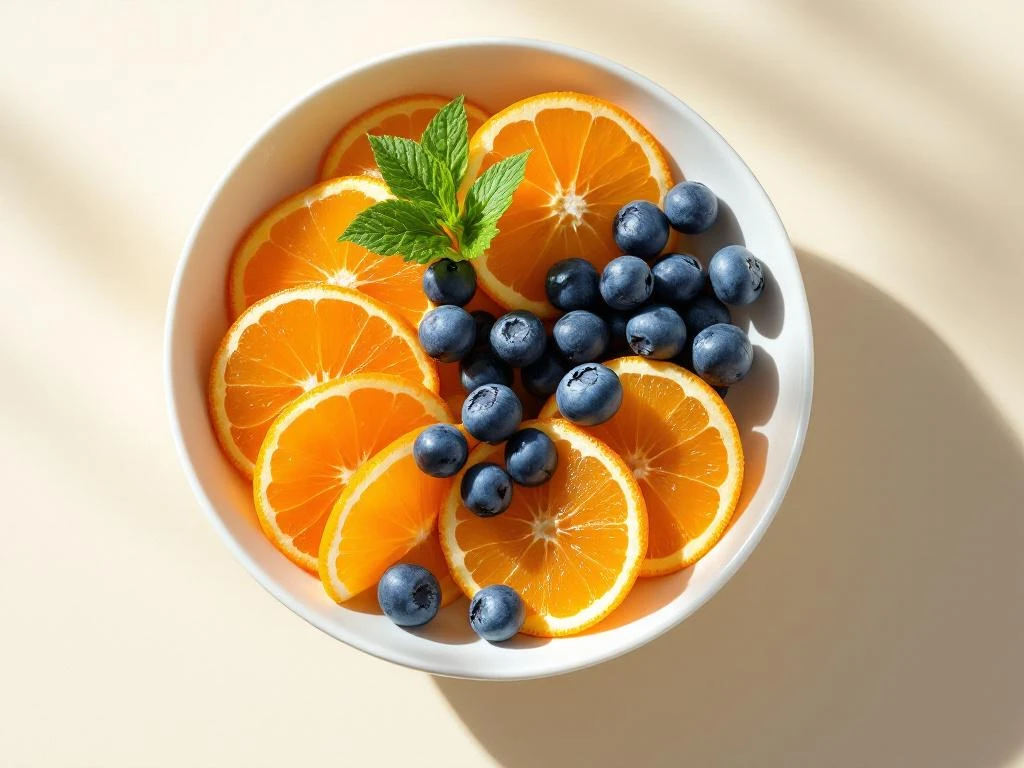
Morning meals can feel tricky when you’re managing IBS. You want something that tastes good, keeps you full, and won’t trigger symptoms before your day even starts. This orange blueberry breakfast bowl is designed specifically for those following a low FODMAP diet. It combines fresh citrus with antioxidant-rich blueberries in portions that stay within safe limits.
This recipe works for beginners and takes about 10 minutes to prepare. You’ll need basic kitchen tools like a bowl, measuring cups, and a spoon. The ingredients are widely available at most supermarkets, and you can customise the base to suit your preferences. By the end of this guide, you’ll know exactly how to build a digestive-friendly breakfast bowl that provides sustained energy without the worry.
Why this breakfast bowl works for IBS
Oranges and blueberries fit neatly into low FODMAP guidelines when you stick to the right portions. One small orange (about 130g) and a handful of blueberries (around 40g) stay well within safe limits during the elimination phase. Both fruits are naturally low in fermentable sugars that can trigger bloating and discomfort.
The combination provides genuine nutritional benefits for digestive health. Oranges deliver vitamin C and soluble fibre that supports gut function without overwhelming your system. Blueberries add antioxidants that may help reduce inflammation in the digestive tract. Together, they create a naturally sweet breakfast that doesn’t require added sugars or artificial sweeteners.
This breakfast bowl provides steady energy throughout the morning. The fibre from the base (whether you choose oats or quinoa flakes) slows down digestion and prevents blood sugar spikes. You’ll feel satisfied for several hours without the heavy, uncomfortable feeling that some breakfast options can cause. The protein and healthy fats you add keep hunger at bay until lunch.
Gather your low FODMAP ingredients
Start with your base choice. You’ll need 40g of rolled oats (if tolerated) or 50g of quinoa flakes. Both options are certified low FODMAP in these portions. Oats work best when you choose certified gluten-free varieties, as cross-contamination can cause issues for some people with IBS.
For the fruit component, gather one small orange (130g maximum) and 40g of fresh or frozen blueberries. Weigh these fruits to ensure accuracy, especially during the elimination phase. A small kitchen scale makes portion control much easier and helps you avoid accidentally exceeding safe limits.
Optional additions that stay IBS-safe include:
- 120ml of lactose-free milk or almond milk (check for no added high FODMAP ingredients)
- 2 tablespoons of lactose-free yoghurt
- 1 tablespoon of pumpkin seeds or sunflower seeds
- 10 walnut halves (about 30g)
- 1 teaspoon of maple syrup
- A pinch of cinnamon
Keep these ingredients measured and ready before you start assembling. This makes the process quicker and ensures you don’t accidentally add too much of any single ingredient.
Prepare your orange blueberry breakfast bowl
Begin by preparing your base. If using oats, combine 40g of rolled oats with 120ml of your chosen low FODMAP milk in a small saucepan. Heat over medium heat for 3 to 4 minutes, stirring occasionally, until the mixture thickens. Remove from heat and let it cool slightly whilst you prepare the fruit. For quinoa flakes, follow the same process but reduce cooking time to 2 minutes, as they soften more quickly.
Whilst your base cools, peel and segment your orange. Remove as much of the white pith as possible, as this can be slightly bitter. Cut the segments into bite-sized pieces. Rinse your blueberries if using fresh, or measure out frozen ones and let them sit at room temperature for a minute or two.
Transfer your prepared base to a serving bowl. Arrange the orange segments on one side of the bowl and the blueberries on the other. This creates visual appeal and makes it easier to control how much fruit you eat with each spoonful. If you’re adding yoghurt, place a dollop in the centre of the bowl.
Timing matters for texture. Eat the bowl within 10 minutes of assembly to prevent the oats from becoming too thick or the fruit from releasing excess juice. If you’ve made overnight oats instead (by soaking raw oats in milk overnight in the fridge), add the fresh fruit just before eating for the best texture contrast.
Success check
Your breakfast bowl should have distinct layers with visible fruit on top. The base should be creamy but not runny. If it looks too thick, stir in a splash more milk. If it’s too thin, let it sit for another minute to absorb more liquid.
Customise your bowl with safe toppings
Seeds add crunch and nutrition without triggering symptoms. Sprinkle 1 tablespoon of pumpkin seeds or sunflower seeds on top. Both options provide protein, healthy fats, and minerals like zinc and magnesium. Avoid chia seeds during the elimination phase, as they can be harder to digest for some people.
Walnuts work well in the correct portion. Measure out exactly 10 walnut halves (roughly 30g). Chop them roughly and scatter over your bowl. This portion stays within low FODMAP limits whilst adding omega-3 fatty acids and extra staying power to your breakfast.
For added creaminess, use lactose-free yoghurt. A 2-tablespoon serving adds protein without the lactose that causes problems for many people with IBS. Choose plain varieties without added fruit or sweeteners, as these often contain high FODMAP ingredients. Greek-style lactose-free yoghurt provides even more protein if you need extra satiety.
Natural sweeteners that won’t cause issues include pure maple syrup (1 teaspoon) or a small amount of brown sugar (1 teaspoon). Both are low FODMAP in these quantities. Avoid honey, agave, and artificial sweeteners containing polyols like sorbitol or mannitol during the elimination phase.
To make the bowl more filling, consider adding a scoop of low FODMAP protein powder. Mix it into your oat base whilst cooking, or stir it into cold overnight oats. Alternatively, serve your bowl with a boiled egg on the side. The extra protein helps stabilise blood sugar and keeps you satisfied longer.
What if my breakfast bowl triggers symptoms?
Portion control mistakes are the most common culprit. Double-check your fruit measurements. Even an extra 20g of blueberries can push you over the threshold if you’re particularly sensitive. Use a digital kitchen scale rather than estimating, especially during the first few weeks of the low FODMAP diet.
If you experience symptoms after eating this bowl, review each ingredient individually. Some people tolerate oats well whilst others find them problematic, even in small amounts. Try switching to quinoa flakes or a small portion of rice flakes (30g) as your base. Similarly, if oranges seem to cause issues, replace them with a small portion of kiwi fruit (2 small kiwis) or strawberries (5 medium berries).
During the strict elimination phase, stick to the most basic version of this recipe. Use only the base, one type of fruit, and plain lactose-free milk. Once you’ve confirmed this works for you, add one new ingredient every three days. This helps you identify specific triggers without confusion.
The reintroduction phase allows for more flexibility. You might discover you can tolerate slightly larger portions of certain fruits or that you can add ingredients like a small amount of honey. Keep a food diary to track what you eat and any symptoms that follow. This makes it easier to spot patterns and adjust your breakfast bowl accordingly.
Alternative fruit combinations that may be better tolerated include:
- Strawberries (5 medium) with banana (1 small, slightly firm)
- Kiwi fruit (2 small) with a small handful of raspberries (30g)
- Cantaloupe melon (100g) with blueberries (40g)
If symptoms persist despite careful portion control and ingredient selection, consult with a registered dietitian who specialises in digestive health. They can help you identify less obvious triggers and ensure you’re meeting your nutritional needs whilst managing IBS.
You now have a reliable, IBS-friendly breakfast option that delivers both nutrition and satisfaction. This orange blueberry breakfast bowl gives you control over your morning meal without sacrificing taste or variety. The clear portion guidelines and customisation options mean you can adapt the recipe as you learn more about your individual triggers. Start with the basic version, track your response, and gradually add the toppings that work best for your digestive system. A calm, comfortable morning begins with a breakfast that supports your gut health rather than challenging it.
Orange blueberry breakfast bowl
Cooking time: 10 minutes | Portions: 1 serving
- 40g rolled oats or 50g quinoa flakes
- 120ml lactose-free milk or almond milk
- 1 small orange (130g maximum), peeled and segmented
- 40g fresh or frozen blueberries
- Optional: 2 tablespoons lactose-free yoghurt
- Optional: 1 tablespoon pumpkin or sunflower seeds
- Optional: 10 walnut halves (30g), chopped
- Optional: 1 teaspoon maple syrup
Steps:
- Cook oats or quinoa flakes with milk over medium heat for 3 to 4 minutes until thickened
- Transfer cooked base to a serving bowl and let cool slightly
- Prepare orange segments and rinse blueberries
- Arrange fruit on top of the base in separate sections
- Add optional yoghurt dollop in the centre
- Sprinkle with seeds and chopped walnuts if using
- Drizzle with maple syrup if desired
- Serve immediately whilst base is still warm and fruit is fresh
This recipe is for informational purposes only and is not medical or dietary advice. Please consult a healthcare professional before making any changes to your diet.