
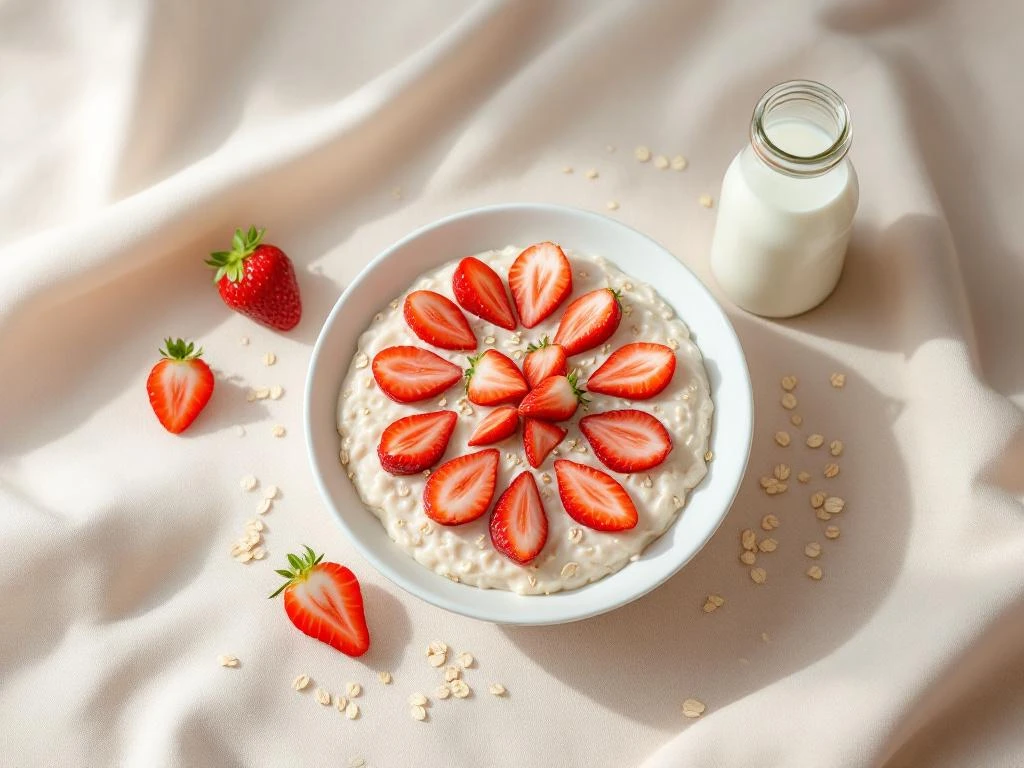
Living with IBS means finding breakfast options that won’t trigger symptoms whilst still tasting delicious. This lactose-free strawberry oatmeal recipe gives you a comforting, nutritious meal that respects your digestive needs. You’ll learn how to prepare a FODMAP-friendly breakfast using simple ingredients and straightforward techniques. This guide takes about 15 minutes from start to finish, perfect for busy mornings when you need something gentle on your stomach but satisfying enough to keep you full. You’ll need basic kitchen tools, lactose-free milk, oats, and fresh strawberries. By the end, you’ll have a reliable breakfast recipe you can customise to your taste preferences whilst staying within safe FODMAP limits.
Why lactose-free strawberry oatmeal works for IBS
Oats provide soluble fibre that supports healthy digestion without irritating sensitive intestines. This type of fibre helps regulate bowel movements and feeds beneficial gut bacteria. Unlike wheat-based cereals that contain gluten, oats are naturally gluten-free (though cross-contamination can occur during processing, so choose certified gluten-free oats if you’re sensitive).
Strawberries remain low FODMAP when you stick to proper portions. Five medium strawberries or roughly 140g per serving stays within safe limits for most people following the diet. They add natural sweetness, vitamin C, and antioxidants without the high fructose content found in many other fruits.
Traditional dairy milk contains lactose, which triggers digestive discomfort for many people with IBS. Lactose-free alternatives like almond milk, rice milk, or lactose-free cow’s milk provide the creamy texture you want without the problematic sugars. These options maintain the nutritional value and taste satisfaction of regular milk whilst keeping your breakfast IBS-friendly. This combination creates a balanced, gentle meal that won’t leave you rushing to the bathroom an hour later.
Gather your low FODMAP ingredients and tools
Start with rolled oats or quick oats, not instant packets that often contain high FODMAP additives. You’ll need 50g of oats per serving. Choose certified gluten-free oats if you’re sensitive to gluten contamination.
For liquid, select one of these lactose-free options per serving:
- 250ml almond milk (unsweetened)
- 250ml rice milk
- 250ml lactose-free cow’s milk
- 250ml coconut milk (canned, diluted with water)
Your strawberry portion should be 5 medium strawberries or 140g of fresh or frozen berries. For sweeteners, maple syrup (one tablespoon) or brown sugar (one tablespoon) both work within FODMAP limits. Add a pinch of salt to enhance flavour.
Optional FODMAP-friendly toppings include:
- 10 walnut halves or 10 pecan halves (portion-controlled)
- One tablespoon pumpkin seeds or sunflower seeds
- Ground cinnamon or nutmeg
- One tablespoon shredded coconut
Kitchen tools you’ll need are a medium saucepan, measuring cups and spoons, a wooden spoon for stirring, and a serving bowl. Having everything ready before you start makes the cooking process smooth and quick.
Prepare strawberries for optimal FODMAP serving
Rinse your strawberries under cool running water. Don’t soak them, as this makes them waterlogged and dilutes their flavour. Pat them dry with a clean kitchen towel or paper towel.
Remove the green leafy tops and the white core underneath using a small paring knife. You can also use a strawberry huller if you have one. Slice each strawberry into quarters or thin slices, depending on your preference. Smaller pieces distribute throughout the oatmeal more evenly.
If using frozen strawberries, measure out 140g whilst they’re still frozen. You don’t need to thaw them beforehand. Frozen berries will release more liquid as they warm up in the hot oatmeal, which actually helps create a creamier texture. They’ll also cool down your oatmeal slightly, bringing it to eating temperature faster.
Count your strawberries if using fresh ones. Five medium strawberries typically equals the 140g safe serving. When in doubt, weigh them. Exceeding this portion might trigger symptoms, so accuracy matters here. Set your prepared strawberries aside whilst you cook the oats.
Cook your oatmeal to creamy perfection
Pour your lactose-free milk into the saucepan and place it over medium heat. Add a pinch of salt now, as it enhances the natural sweetness of the oats. Bring the liquid to a gentle simmer, watching for small bubbles around the edges. Don’t let it boil vigorously, as this can cause the milk to scorch or foam over.
Add your 50g of oats to the simmering liquid. Stir immediately to prevent clumping. The standard ratio is 1 part oats to 5 parts liquid for creamy oatmeal. Reduce the heat to low once you’ve added the oats.
Stir every 30 to 45 seconds to prevent sticking. The oats will absorb the liquid and release their starches, creating a creamy consistency. Quick oats take about 3 to 5 minutes to cook, whilst rolled oats need 7 to 10 minutes. You’ll know they’re done when the oats have softened completely and the mixture has thickened to your liking.
Watch the texture carefully during the last minute of cooking. The oatmeal will continue to thicken slightly after you remove it from the heat. If it looks just slightly looser than you want, it’s ready. Remove the saucepan from the heat and let it sit for one minute. This resting period allows the oats to absorb any remaining liquid and reach the perfect consistency.
Customise with FODMAP-friendly toppings
Transfer your cooked oatmeal to a serving bowl. Add your prepared strawberries now, stirring them gently into the warm oats. The heat will soften them slightly and release their juices, creating natural sweetness throughout your breakfast.
Drizzle one tablespoon of maple syrup over the top if you prefer extra sweetness. Alternatively, sprinkle one tablespoon of brown sugar and let it melt into the warm oatmeal. Both options stay within safe FODMAP limits at these portions.
Add crunch with portion-controlled nuts. Ten walnut halves or ten pecan halves provide healthy fats and texture without exceeding FODMAP thresholds. Chop them roughly before sprinkling over your oatmeal. Seeds like pumpkin or sunflower seeds (one tablespoon) offer another crunchy option with fewer FODMAP concerns.
Sprinkle ground cinnamon, nutmeg, or a combination of both for warmth and flavour depth. These spices are FODMAP-free and add complexity without any digestive risk. One tablespoon of shredded coconut adds tropical sweetness and more texture variation.
Remember that toppings add up quickly. Stick to two or three additions rather than piling on everything at once. This approach keeps your meal within safe limits whilst still providing variety and interest. You can rotate different topping combinations throughout the week to prevent breakfast boredom.
What if your oatmeal is too thick or too runny?
Thick, paste-like oatmeal means the oats absorbed too much liquid or cooked too long. Fix this by stirring in lactose-free milk one tablespoon at a time until you reach your desired consistency. Warm the milk slightly before adding it so you don’t cool down your breakfast. Stir thoroughly after each addition to distribute the liquid evenly.
Runny oatmeal that looks more like soup needs more cooking time or additional oats. Return the saucepan to low heat and simmer for another 2 to 3 minutes, stirring constantly. The extra cooking time allows more liquid to evaporate and the oats to absorb what remains. If you’re in a hurry, stir in one tablespoon of uncooked oats and let the mixture sit for 2 minutes. The dry oats will absorb excess liquid without requiring more cooking.
Temperature affects texture perception. Oatmeal that seems too runny when hot often thickens as it cools to eating temperature. Wait one minute before deciding whether you need to make adjustments. Similarly, oatmeal that seems perfect when hot might become too thick as it sits. Prepare your toppings before cooking so you can eat your oatmeal whilst it’s still at the ideal temperature and consistency.
Different oat types absorb liquid at different rates. Quick oats create creamier, softer oatmeal, whilst rolled oats maintain more texture and chewiness. If you consistently get the wrong consistency, try switching oat types rather than adjusting your cooking method. Keep notes on what works best for your preferences so you can replicate perfect results every time.
You now have a reliable lactose-free breakfast that supports your digestive health without sacrificing taste or satisfaction. This easy strawberry oatmeal recipe works for busy mornings when you need something quick, gentle, and filling. The techniques you’ve learnt here apply to other low FODMAP oatmeal variations, so experiment with different FODMAP-friendly fruits and toppings as you discover what works best for your body. Making this recipe part of your regular breakfast rotation gives you one less meal to worry about whilst managing IBS.
Lactose-free strawberry oatmeal
Cooking Time: 15 minutes | Portions: 1 serving
Ingredients:
- 50g rolled oats or quick oats (certified gluten-free)
- 250ml lactose-free milk (almond, rice, lactose-free cow’s milk, or diluted coconut milk)
- 5 medium strawberries (140g), washed, hulled, and sliced
- 1 tablespoon maple syrup or brown sugar
- Pinch of salt
- Optional: 10 walnut or pecan halves, 1 tablespoon seeds, ground cinnamon, or 1 tablespoon shredded coconut
Instructions:
- Pour lactose-free milk into a saucepan with a pinch of salt and bring to a gentle simmer over medium heat
- Add oats, stir immediately, and reduce heat to low
- Cook for 3 to 5 minutes (quick oats) or 7 to 10 minutes (rolled oats), stirring every 30 to 45 seconds
- Remove from heat when oats are soft and mixture has thickened, then let sit for 1 minute
- Transfer to a bowl and stir in sliced strawberries
- Add sweetener and your choice of FODMAP-friendly toppings
- Serve immediately whilst warm
This recipe is for informational purposes only and is not medical or dietary advice. Please consult a healthcare professional before making any changes to your diet.