
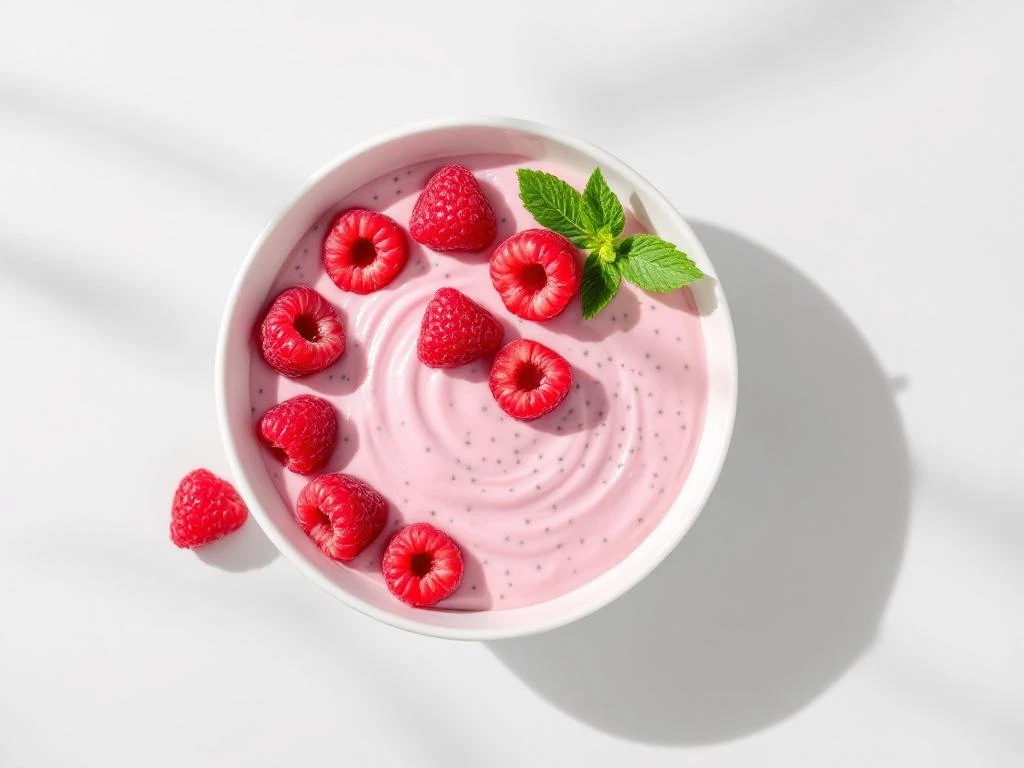
Creating a raspberry chia breakfast bowl gives you a nutritious, IBS-friendly start to your day that won’t trigger digestive discomfort. This healthy breakfast recipe combines low FODMAP ingredients in safe portions, making it ideal for anyone managing food sensitivities. You’ll prepare the base the night before, then customise it in the morning with toppings you enjoy.
This guide works for beginners with no special cooking skills required. You’ll need about 5 minutes of active preparation time, plus overnight soaking. The ingredients are simple to find, and the process is straightforward.
You’ll need chia seeds, a suitable low FODMAP milk, fresh or frozen raspberries, and basic kitchen containers. Optional toppings let you personalise your bowl whilst staying within FODMAP-friendly guidelines. By the end, you’ll have a grab-and-go breakfast option you can prepare several days in advance.
Why raspberry chia bowls work for sensitive digestion
Chia seeds fit perfectly into a low FODMAP breakfast plan when you stick to appropriate serving sizes. A standard portion of 2 tablespoons provides soluble fibre that forms a gentle gel in your digestive system, helping to regulate bowel movements without causing irritation. This gel-like consistency soothes the gut lining whilst moving through your system smoothly.
Raspberries remain low FODMAP at portions up to 60 grams (about a quarter cup), making them an excellent choice for this digestive-friendly breakfast. They provide antioxidants and vitamin C without the high fructose content found in many other fruits. Fresh or frozen raspberries work equally well, giving you year-round access to this IBS-friendly option.
The combination creates a balanced breakfast bowl that keeps you satisfied for hours. Chia seeds absorb liquid and expand, creating fullness without heaviness. The protein and healthy fats in chia seeds slow digestion in a beneficial way, preventing the blood sugar spikes that can sometimes worsen IBS symptoms.
This breakfast supports gut health through gentle, soluble fibre rather than the harsh, insoluble fibre that often triggers symptoms. The omega-3 fatty acids in chia seeds also provide anti-inflammatory benefits that may help calm an irritated digestive system. You’re getting nutrition without compromise, which is exactly what a low FODMAP diet should provide.
Gather your low FODMAP breakfast bowl ingredients
For the base, you’ll need 2 tablespoons of chia seeds and 150ml of a low FODMAP milk alternative. Lactose-free cow’s milk works well, or you can use almond milk if you limit it to 60ml and top up with another safe option like rice milk. Coconut milk from a carton (not canned) is another suitable choice.
You’ll need 60 grams of fresh or frozen raspberries. If using frozen, there’s no need to thaw them beforehand. The cold berries actually help keep your breakfast bowl refreshing. Measure your raspberries to stay within the safe FODMAP serving size.
For sweetness, use maple syrup (1 tablespoon maximum) or a small amount of table sugar. Avoid honey, agave, and artificial sweeteners containing polyols like sorbitol or mannitol. A pinch of vanilla extract adds flavour without FODMAPs.
Optional toppings that remain low FODMAP include:
- Chopped walnuts or pecans (10 nuts maximum)
- Pumpkin seeds (2 tablespoons)
- Shredded coconut (1 tablespoon)
- A few slices of banana (one-third of a medium banana)
- A drizzle of peanut butter (up to 2 tablespoons)
Keep a set of measuring spoons and a small kitchen scale handy. Accurate portions matter when following a low FODMAP diet, so measuring helps you stay symptom-free whilst enjoying variety.
Ingredient substitutions for dietary preferences
If you’re avoiding nuts entirely, sunflower seeds or additional pumpkin seeds work as crunchy toppings. For a creamier texture, add a tablespoon of lactose-free yoghurt when serving. Those following a completely plant-based diet should verify their milk alternative is fortified with calcium and vitamin D to match the nutritional benefits of dairy options.
Prepare your chia seed base overnight
Pour your chosen milk into a jar or container with a tight-fitting lid. Add the 2 tablespoons of chia seeds directly to the liquid. The ratio of roughly 1 part chia seeds to 6-8 parts liquid creates the ideal pudding-like consistency. More liquid makes a thinner mixture, whilst less creates a thicker result.
Stir the mixture thoroughly with a spoon or whisk. Make sure you break up any clumps of seeds that stick together. The seeds will start to absorb liquid immediately, so mix well to prevent them from forming a solid mass at the bottom.
Seal the container and place it in your refrigerator. The mixture needs at least 4 hours to fully gel, but overnight soaking (8-12 hours) produces the best texture. The seeds will absorb the liquid and swell to several times their original size, creating a thick, spoonable consistency.
After 30 minutes, give the mixture another quick stir if you’re still awake. This second stir prevents any remaining clumps from forming as the gel develops. If you’re preparing this right before bed, the initial thorough mixing is usually sufficient.
The prepared base keeps in the refrigerator for up to 5 days in a sealed container. This makes it perfect for meal prep, allowing you to prepare multiple portions at once. The texture might thicken further over time, so add a splash of milk when serving if needed.
Quick method for rushed mornings
If you forget to prepare overnight, mix the seeds and milk, then let them sit at room temperature for 20-30 minutes with occasional stirring. The mixture won’t be quite as thick, but it will still be edible. Pop it in the fridge whilst you shower or get ready, and it will firm up a bit more.
Assemble and customize your breakfast bowl
Remove your prepared chia pudding from the refrigerator. Give it a good stir to check the consistency. If it’s thicker than you prefer, add a tablespoon or two of milk and mix until you reach your desired texture. The pudding should be spoonable but not solid.
Spoon the chia base into your serving bowl. You can eat it straight from the jar if you prefer fewer dishes to wash. Add your measured portion of raspberries on top, arranging them however you like. Some people prefer mixing the berries throughout, whilst others enjoy them as a topping.
Drizzle your chosen sweetener over the bowl if you’re using one. Taste the mixture before adding sweetener, though. The raspberries might provide enough natural sweetness, especially if your milk alternative is already slightly sweet. You can always add more, but you can’t take it away.
Add your selected toppings in measured portions. Sprinkle nuts or seeds around the edges or mix them through for crunch in every bite. If using banana slices or other fresh fruit, add them just before eating to prevent browning.
The presentation matters less than the portion control. Keep your total bowl within safe FODMAP limits by measuring each component. A beautiful chia pudding bowl means nothing if it triggers symptoms because you exceeded safe serving sizes.
Adjusting sweetness levels
Start with less sweetener than you think you need. The raspberries contribute tartness that balances well with just a small amount of maple syrup. If you’re used to very sweet breakfasts, your taste buds will adjust over time to appreciate the natural flavours without heavy sweetening.
What makes chia seeds thicken properly?
Chia seeds contain soluble fibre that forms a gel when exposed to liquid. Each tiny seed is covered in this fibre, which swells and creates a mucilaginous coating. This is the same property that makes chia seeds beneficial for digestion, as the gel moves gently through your system.
The liquid-to-seed ratio determines your final texture. Too much liquid leaves you with watery pudding with floating seeds. Too little liquid creates a thick, almost solid mass that’s difficult to eat. The 6-8 parts liquid to 1 part seeds ratio provides the sweet spot for most preferences.
Temperature affects soaking time but not the final result. Cold liquids from the refrigerator take longer to fully hydrate the seeds compared to room temperature liquids. However, both eventually reach the same gel consistency, so temperature is about timing rather than outcome.
If your bowl turns out too thick, simply stir in more milk one tablespoon at a time until you reach the consistency you want. If it’s too thin, you have two options. Add another teaspoon of chia seeds and wait 15-20 minutes for them to absorb excess liquid, or drain off a small amount of liquid if you haven’t mixed everything together yet.
Seeds that won’t thicken properly are usually old or have been stored incorrectly. Chia seeds should be kept in an airtight container in a cool, dry place. They can last up to two years when stored properly, but moisture exposure or heat can damage their gelling properties.
Common texture problems solved
Grainy texture means your seeds haven’t soaked long enough. Give them more time in the refrigerator. Slimy texture is actually normal for chia pudding, but if it bothers you, try using slightly less liquid next time. Clumpy texture happens when seeds weren’t stirred well initially. You can break up clumps by blending the mixture briefly, though this changes the texture to smoother rather than individual seed consistency.
Store and meal prep your breakfast bowls
Prepare up to 5 days worth of chia pudding bases at once. Portion them into individual jars or containers with tight-fitting lids. Glass jars work particularly well because you can see the contents and they don’t absorb odours. Keep all containers in the refrigerator at a consistent temperature.
Store the base and toppings separately for best results. The chia pudding keeps its texture well, but fresh toppings like raspberries can become mushy if mixed in too far ahead. Nuts and seeds lose their crunch when stored with the wet pudding. Keep your toppings in separate small containers or bags.
Add raspberries and other fresh toppings the night before serving if you’re truly rushed in the morning. They’ll soften slightly but remain acceptable. Never add crunchy toppings until you’re ready to eat, or they’ll turn soggy and unpleasant.
To refresh a refrigerated bowl, stir it well and add a splash of milk if needed. The pudding often thickens further during storage as the seeds continue absorbing any remaining liquid. A quick stir and a small amount of fresh milk brings it back to the perfect consistency.
For grab-and-go convenience, layer your pudding in a jar with a wide mouth. Add your toppings in a small separate container or bag that fits in your lunch bag. Bring a spoon, and you have a complete FODMAP breakfast idea that travels well to work or wherever your morning takes you.
Food safety considerations
The prepared chia pudding base stays safe in the refrigerator for up to 5 days because the seeds create an environment that inhibits bacterial growth. However, once you add fresh fruit or other toppings, consume the bowl within 24 hours. If your pudding develops an off smell or visible mould, discard it immediately regardless of how long it’s been stored.
This raspberry chia breakfast bowl gives you a reliable, symptom-free morning meal that fits into your low FODMAP lifestyle. The simple preparation and flexible customisation options mean you’ll never get bored, whilst the meal prep potential saves you precious time on busy mornings. You now have a gluten-free breakfast bowl option that tastes good and makes you feel good.
Raspberry chia breakfast bowl
Preparation time: 5 minutes (plus overnight soaking) | Portions: 1 serving
Ingredients:
- 2 tablespoons chia seeds
- 150ml lactose-free milk or safe alternative (almond milk up to 60ml, rice milk, or coconut milk from carton)
- 60 grams fresh or frozen raspberries
- 1 tablespoon maple syrup (optional)
- Pinch of vanilla extract (optional)
- Toppings: 10 walnuts or pecans, 2 tablespoons pumpkin seeds, 1 tablespoon shredded coconut, or one-third medium banana (choose 1-2 options)
Instructions:
- Combine chia seeds and milk in a jar or container with a tight-fitting lid
- Stir thoroughly to prevent clumping, ensuring all seeds are distributed evenly
- Seal container and refrigerate for at least 4 hours or overnight (8-12 hours for best texture)
- After 30 minutes, stir once more if possible to break up any remaining clumps
- When ready to serve, stir the thickened pudding and add a splash of milk if too thick
- Transfer to serving bowl or eat directly from jar
- Top with measured portion of raspberries (60 grams maximum)
- Add optional sweetener and vanilla extract to taste
- Sprinkle chosen toppings in safe portions
- Serve immediately or store covered in refrigerator for up to 5 days (add fresh toppings just before eating)
Storage tips: Prepare base up to 5 days ahead. Store toppings separately to maintain texture. Add a splash of milk when serving if mixture has thickened during storage.
This recipe is for informational purposes only and is not medical or dietary advice. Please consult a healthcare professional before making any changes to your diet.
Related Articles
- What meat is good for IBS?
- Scrambled Eggs with Smoked Turkey
- What snacks can I eat on low FODMAP?
- What chips or crackers are low in FODMAP?
- What three foods make IBS worse?