
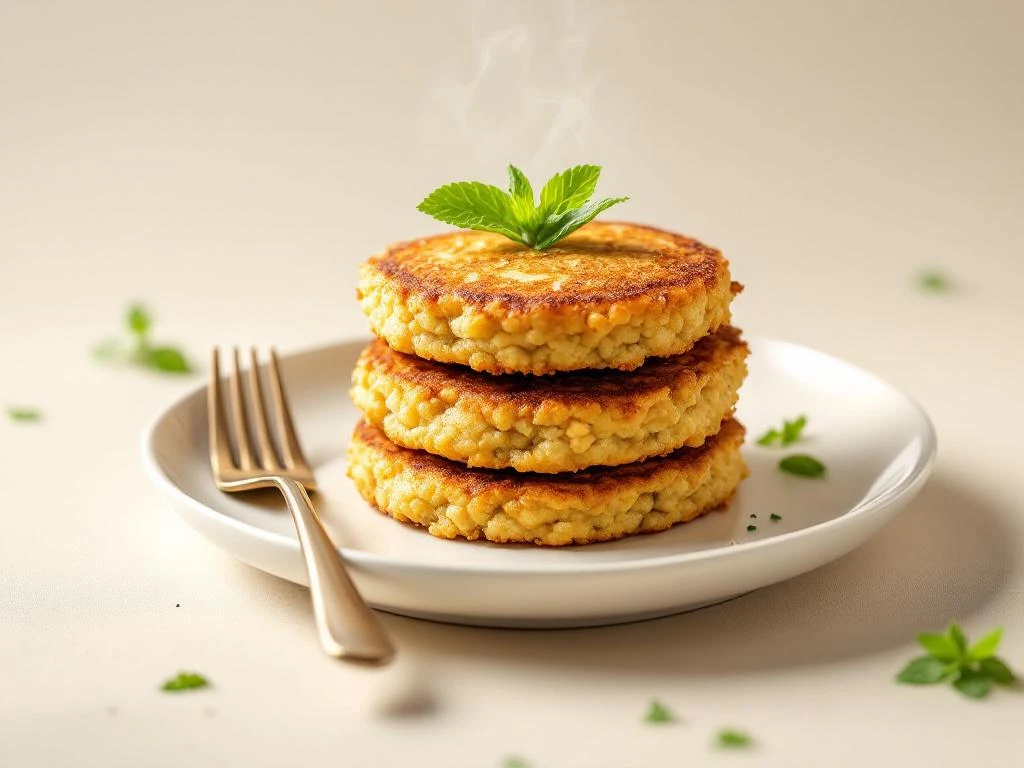
Quinoa breakfast cakes offer a satisfying way to start your day when you’re managing IBS or following a low FODMAP diet. These gluten free breakfast cakes combine protein-rich quinoa with simple ingredients to create a FODMAP friendly breakfast that keeps you full without triggering digestive symptoms. This recipe works for beginners and takes about 40 minutes total, including quinoa cooking time.
You’ll need cooked quinoa, eggs, basic seasonings, and a non-stick pan. The process is straightforward: cook quinoa, mix with binding ingredients, shape into cakes, and pan-fry until golden. These savory breakfast cakes work for meal prep and reheat beautifully throughout the week.
Why quinoa breakfast cakes work for IBS
Quinoa fits perfectly into a low FODMAP breakfast because it’s naturally gluten free and contains no FODMAPs in standard serving sizes. This ancient grain provides complete protein with all nine essential amino acids, making it more filling than most breakfast options. Your digestive system can handle quinoa well when you stick to appropriate portions.
These quinoa breakfast cakes deliver sustained energy without the blood sugar spikes that come from typical breakfast foods. The protein and fibre content helps stabilize your energy levels through the morning. Unlike wheat-based breakfast items, quinoa won’t trigger gluten sensitivity or cause the bloating that many IBS sufferers experience.
The binding ingredients in this quinoa breakfast recipe remain FODMAP friendly while creating cakes that hold together during cooking. Eggs provide additional protein and healthy fats that support digestive health. This combination makes these healthy quinoa cakes ideal for anyone managing food sensitivities whilst wanting a proper breakfast that tastes good.
Gather your ingredients and tools
For the quinoa cakes, you’ll need 100g uncooked quinoa (white, red, or tri-colour work equally well), two large eggs, 30g lactose-free cheese (optional), one spring onion (green parts only), and salt and pepper to taste. Add fresh herbs like chives or parsley if desired. For cooking, use one tablespoon of garlic-infused oil or regular olive oil.
Your kitchen equipment list is simple. Grab a medium saucepan with lid for cooking quinoa, a mixing bowl, measuring cups, a fork for mashing, a non-stick frying pan, and a spatula. A small bowl for beaten eggs helps with mixing. Keep paper towels handy for draining excess oil.
Ingredient substitutions maintain FODMAP compliance easily. Replace eggs with flax eggs (one tablespoon ground flaxseed plus three tablespoons water per egg) for a vegan version. Skip the cheese entirely or use nutritional yeast for dairy-free options. Swap spring onion greens for fresh chives or leave out entirely. The quinoa pancakes low FODMAP approach works with various additions as long as you verify FODMAP status.
Portion sizes for FODMAP safety
Stick to 100g uncooked quinoa for four breakfast cakes. This amount stays well within low FODMAP limits per serving. One spring onion’s green parts remain safe, but avoid the white bulb. Lactose-free cheese in 30g portions won’t cause issues. These measurements ensure your easy quinoa breakfast stays symptom-free.
Prepare and cook the quinoa base
Rinse your quinoa thoroughly under cold running water for 30 seconds. This removes the natural coating called saponin that can taste bitter. Use a fine mesh strainer so the small grains don’t wash away. Proper rinsing improves both flavour and digestibility.
Combine the rinsed quinoa with 200ml water in your saucepan. The ratio is two parts water to one part quinoa. Bring to a boil over medium-high heat without the lid. Once boiling, reduce heat to low, cover with the lid, and simmer for 15 minutes. Don’t lift the lid during cooking as steam needs to stay trapped.
After 15 minutes, remove from heat and let stand covered for 5 minutes. The quinoa should have absorbed all water and look fluffy with visible spiral-shaped germs. Fluff with a fork and spread on a plate to cool for 10 minutes. Cool quinoa is essential because hot quinoa won’t bind properly and makes mushy cakes.
Make-ahead option
Cook quinoa the night before and refrigerate in an airtight container. Cold quinoa from the fridge works perfectly for morning assembly. This cuts your breakfast prep time to just 10 minutes. Cooked quinoa keeps for five days refrigerated.
Mix and shape your breakfast cakes
Place your cooled quinoa in the mixing bowl. Beat the two eggs in a small bowl and pour over the quinoa. Add finely chopped spring onion greens, grated lactose-free cheese if using, and a pinch of salt and pepper. Use a fork to mix everything thoroughly. The mixture should feel slightly sticky but hold together when pressed.
Let the mixture rest for 5 minutes. This allows the quinoa to absorb some egg and makes shaping easier. The consistency should resemble thick porridge. If it seems too wet, add a tablespoon of gluten free breadcrumbs or ground flaxseed. Too dry means adding another beaten egg or a splash of lactose-free milk.
Divide the mixture into four equal portions. Wet your hands slightly to prevent sticking. Take one portion and shape it into a patty about 8cm wide and 1.5cm thick. Press firmly so the cake holds together. Place shaped cakes on a plate. Consistent size ensures even cooking across all cakes.
Binding troubleshooting
If your cakes won’t hold shape, the quinoa might be overcooked and mushy. Add an extra egg or two tablespoons of gluten free flour to improve binding. Undercooked quinoa with hard centres won’t bind either. Make sure your quinoa is fully cooked before mixing.
Cook quinoa cakes to golden perfection
Heat your non-stick pan over medium heat for 2 minutes. Add the garlic-infused oil or olive oil and swirl to coat the pan bottom. The oil should shimmer but not smoke. Test temperature by dropping a tiny bit of mixture into the pan. It should sizzle gently.
Place cakes in the pan with space between each one. Don’t overcrowd as you need room to flip them. Cook for 4 minutes without moving them. Resist the urge to check underneath as this can break the cakes. You’ll know they’re ready to flip when edges look set and golden brown shows around the bottom edge.
Flip carefully using a wide spatula. Support the entire cake as you turn it. Cook the second side for 3 to 4 minutes until golden and crispy. The centre should feel firm when pressed gently. Internal temperature should reach 70°C if you’re checking with a thermometer.
Avoiding common mistakes
Breaking during flipping happens when cakes are too wet or the first side isn’t cooked enough. Wait until you see clear browning before attempting to flip. Burning occurs from too-high heat. Medium heat creates crispy exteriors without blackening. Add more oil between batches if the pan looks dry.
Customize with FODMAP-friendly toppings
For savoury options, top your quinoa breakfast cakes with lactose-free Greek yoghurt, fresh herbs like dill or chives, or a poached egg. Add sliced tomatoes, baby spinach, or rocket leaves. Grated lactose-free cheddar melts beautifully over hot cakes. A dollop of homemade pesto (using garlic-infused oil instead of fresh garlic) adds flavour without FODMAPs.
Sweet variations work surprisingly well. Drizzle with pure maple syrup and add a handful of blueberries (20 berries maximum per serving). Sliced strawberries (five medium berries) stay within FODMAP limits. A sprinkle of cinnamon and a tablespoon of lactose-free cream cheese creates a breakfast treat. Avoid honey as it contains high FODMAP fructose.
These IBS friendly breakfast cakes store brilliantly for meal prep. Cool completely and stack with parchment paper between each cake. Refrigerate in an airtight container for up to four days. Freeze for up to three months by wrapping individually in cling film then placing in a freezer bag.
Reheating instructions
Reheat refrigerated cakes in a dry pan over medium heat for 2 minutes per side. Microwave works but reduces crispiness. Heat for 30 to 45 seconds on high power. For frozen cakes, thaw overnight in the fridge then reheat as above. You can also reheat from frozen in a 180°C oven for 15 minutes.
These quinoa breakfast cakes prove that following a low FODMAP diet doesn’t mean boring breakfasts. You’ve learned how to create protein-rich, satisfying morning meals that support your digestive health whilst tasting delicious. The basic recipe adapts to both sweet and savoury preferences, making it versatile for different days and moods.
Experiment with different herbs and FODMAP-safe additions to find your favourite combinations. Keep cooked quinoa ready in your fridge for quick assembly on busy mornings. This recipe demonstrates that healthy quinoa cakes can be both nutritious and enjoyable, fitting seamlessly into your IBS management routine.
Quinoa breakfast cakes
Cooking Time: 40 minutes | Portions: 4 cakes
- 100g uncooked quinoa (rinsed)
- 200ml water
- 2 large eggs (beaten)
- 30g lactose-free cheese (grated, optional)
- 1 spring onion (green parts only, finely chopped)
- Salt and pepper to taste
- 1 tablespoon garlic-infused oil or olive oil
- Fresh herbs (optional)
Steps:
- Rinse quinoa thoroughly under cold water for 30 seconds
- Combine quinoa and water in saucepan, bring to boil
- Reduce heat to low, cover, simmer 15 minutes
- Remove from heat, let stand covered 5 minutes, then fluff and cool 10 minutes
- Mix cooled quinoa with beaten eggs, spring onion greens, cheese, salt, and pepper
- Let mixture rest 5 minutes
- Shape into 4 equal patties (8cm wide, 1.5cm thick)
- Heat oil in non-stick pan over medium heat
- Cook cakes 4 minutes first side until golden
- Flip carefully and cook 3 to 4 minutes second side
- Serve with FODMAP-friendly toppings of choice
Storage: Refrigerate up to 4 days or freeze up to 3 months. Reheat in pan or microwave.
This recipe is for informational purposes only and is not medical or dietary advice. Please consult a healthcare professional before making any changes to your diet.