
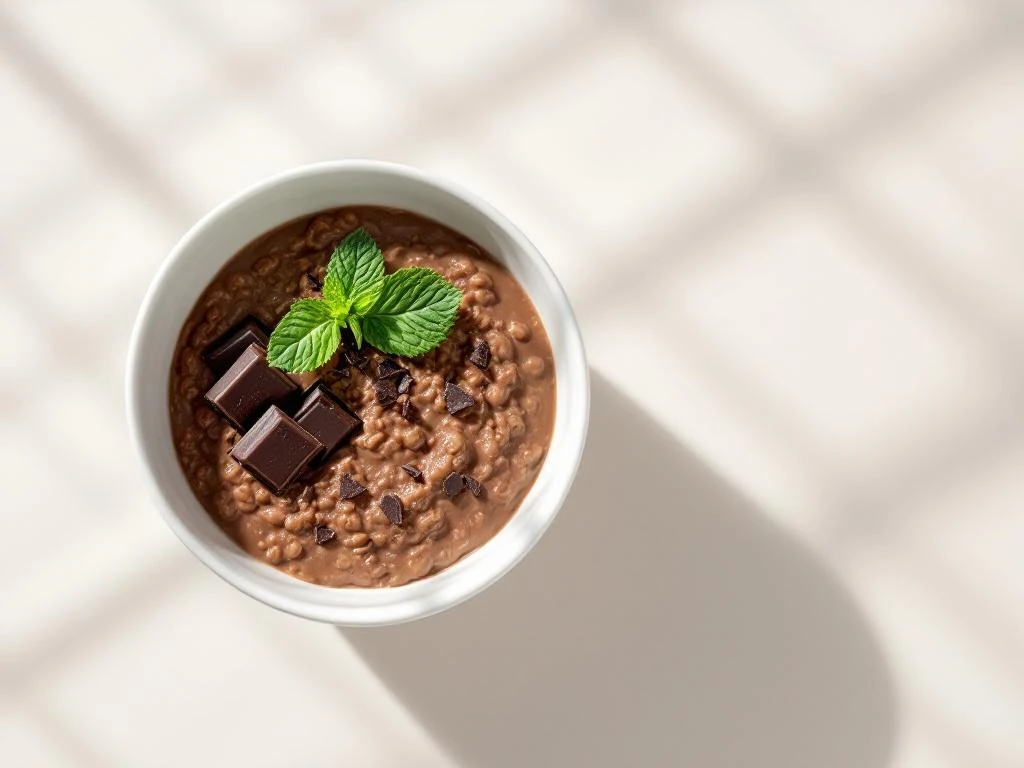
Starting your day with a warm bowl of lactose-free chocolate oatmeal gives you comfort food that actually supports your digestive health. This FODMAP-friendly breakfast recipe takes about 10 minutes to prepare and uses simple ingredients that won’t trigger IBS symptoms. Whether you’re following a strict low FODMAP diet or simply avoiding lactose, this dairy-free chocolate oatmeal delivers rich flavour without the gut discomfort. You’ll need basic kitchen equipment, rolled oats, lactose-free milk, cocoa powder, and a low FODMAP sweetener. The result is a creamy, satisfying breakfast that proves dietary restrictions don’t mean boring meals.
Why lactose-free chocolate oatmeal works for IBS
Oats are naturally low FODMAP when eaten in controlled portions. They provide soluble fibre that supports gut health without overwhelming your digestive system. The key is using certified gluten-free oats if you’re sensitive to cross-contamination, as some people with IBS react to traces of wheat.
Replacing regular milk with lactose-free alternatives removes the lactose that causes problems for many IBS sufferers. Almond milk, rice milk, and lactose-free dairy milk all work well in this recipe. Each provides a creamy base without the digestive distress that regular milk can trigger.
Pure cocoa powder adds that chocolate flavour you crave while remaining low FODMAP. Unlike chocolate bars or chocolate milk mixes, pure cocoa contains no added lactose or high FODMAP ingredients. It’s also rich in antioxidants and adds depth to your breakfast without compromising your gut health.
The right sweetener matters too. Maple syrup in small amounts stays within low FODMAP limits. Table sugar also works well. Avoid honey and agave, as these contain high FODMAP fructose that can trigger symptoms. Keeping portions controlled ensures your chocolate oatmeal remains IBS-friendly while still tasting indulgent.
Gather your lactose-free oatmeal ingredients
You’ll need half a cup of rolled oats for one serving. Choose certified gluten-free oats if you have coeliac disease or gluten sensitivity. Quick oats work in a pinch, but rolled oats create a better texture. Avoid instant oatmeal packets, as these often contain high FODMAP additives.
For the liquid, use one cup of lactose-free milk. Almond milk provides a neutral flavour. Rice milk creates extra creaminess. Lactose-free dairy milk works if you prefer a richer taste. Check labels to ensure your chosen milk doesn’t contain inulin or chicory root, common high FODMAP additives.
Add one tablespoon of unsweetened cocoa powder. This amount delivers chocolate flavour without bitterness. Make sure it’s pure cocoa powder, not a chocolate drink mix. Those mixes typically contain milk powder and other ingredients that aren’t low FODMAP.
Choose your sweetener carefully. One tablespoon of maple syrup stays within low FODMAP limits. You can also use one tablespoon of white sugar or brown sugar. If you prefer liquid sweetness, glucose syrup works well. Avoid honey, agave nectar, and artificial sweeteners ending in “ol” like sorbitol or xylitol.
Optional additions include a pinch of salt to enhance flavour and a quarter teaspoon of vanilla extract for depth. Keep vanilla to this small amount, as larger quantities can become problematic. Have your chosen low FODMAP toppings ready before you start cooking.
Substitutions for different needs
If you can’t find lactose-free milk, coconut milk in the carton works well. Use the drinking variety, not canned coconut milk, which is too thick. Water creates a lighter porridge but lacks creaminess. You can mix half water and half lactose-free milk to reduce calories while maintaining some richness.
For a nut-free version, stick with rice milk or lactose-free dairy milk. Both provide good results without tree nut concerns. Oat milk seems logical but check FODMAP serving sizes carefully, as some brands can be problematic in larger amounts.
Cook perfect creamy chocolate oatmeal
Pour your cup of lactose-free milk into a small saucepan. Add the half cup of rolled oats. The 2:1 liquid-to-oats ratio creates properly cooked oatmeal that’s neither too thick nor too soupy. Place the pan over medium heat.
Stir the mixture as it heats. This prevents the oats from sticking to the bottom and ensures even cooking. Watch for small bubbles forming around the edges. When you see these, reduce the heat to low. This should take about two minutes.
Add your tablespoon of cocoa powder now. Stir it thoroughly into the oatmeal until no dry powder remains. Adding cocoa powder at this stage, rather than at the beginning, prevents clumping. The warm liquid helps it dissolve smoothly throughout the oats.
Continue cooking on low heat for five to seven minutes. Stir every minute or so. You’ll notice the oats absorbing the liquid and softening. The mixture will start to thicken. When it reaches a creamy consistency that slowly falls off your spoon, it’s ready.
Remove the pan from heat. Stir in your tablespoon of maple syrup or chosen sweetener. Add your pinch of salt and vanilla extract if using. The oatmeal will continue thickening slightly as it cools. If it becomes too thick, stir in a splash more lactose-free milk.
Preventing common cooking mistakes
Burning happens when the heat is too high or you don’t stir enough. Keep the temperature at medium-low once the mixture starts bubbling. If you smell anything burning, remove the pan immediately and transfer the unburnt oatmeal to a bowl.
Clumpy cocoa powder ruins the smooth texture. Always add cocoa powder after the oats have started cooking and the liquid is warm. Whisk vigorously when adding it. If clumps form anyway, use a fork to break them up while the oatmeal is still hot.
Overcooked oatmeal becomes gluey and unpleasant. Watch the texture carefully during the last few minutes of cooking. When the oats look tender and the mixture coats your spoon, stop cooking. The oatmeal should flow slowly but not be watery.
Customise with low FODMAP toppings
Fresh strawberries add natural sweetness and colour. Five medium strawberries stay within low FODMAP limits. Slice them just before serving to keep them fresh. Blueberries also work well, with a quarter cup being a safe portion.
A tablespoon of peanut butter provides protein and healthy fats. Make sure it’s natural peanut butter without added sweeteners. Almond butter works too, with the same one-tablespoon portion. These nut butters make your breakfast more filling and add creamy richness.
Sprinkle on a tablespoon of pumpkin seeds or sunflower seeds for crunch. These seeds are low FODMAP and add minerals to your meal. Walnuts work in small amounts, about 10 walnut halves or roughly 30 grams. Avoid cashews and pistachios, as these are high FODMAP even in small portions.
A small handful of dark chocolate chips can intensify the chocolate experience. Choose chips that are at least 70% cocoa and check the ingredients for milk powder. About 15 grams of dark chocolate remains low FODMAP. This equals roughly two teaspoons of chocolate chips.
Sliced banana adds natural sweetness, but portion control matters. One-third of a medium banana stays low FODMAP. Slice it thinly and arrange it on top. More than this amount contains excess fructose that can trigger symptoms. If you want more fruit, combine a small amount of banana with some strawberries instead of using banana alone.
Creative combinations to try
Pair sliced strawberries with a tablespoon of pumpkin seeds for a mix of sweet and nutty. The seeds add satisfying crunch against the soft berries. Drizzle an extra teaspoon of maple syrup over everything for extra indulgence.
Try peanut butter with a small sliced banana and a few dark chocolate chips. This combination tastes like a healthier chocolate peanut butter cup. The flavours work beautifully with the chocolate oatmeal base.
Mix blueberries with almond butter and a sprinkle of cinnamon. The warm spice complements both the chocolate and the berries. This combination provides antioxidants and keeps you satisfied until lunch.
Remember that even low FODMAP foods can cause problems in large amounts. Stick to the recommended portions for each topping. If you want variety, use smaller amounts of several different toppings rather than a large portion of just one.
This lactose-free chocolate oatmeal proves that following a low FODMAP diet doesn’t mean sacrificing flavour or satisfaction. The recipe is simple enough for busy mornings yet special enough to look forward to. You’ve learned how to create a gut-friendly breakfast that supports your IBS management while delivering the comfort of chocolate. Experiment with different lactose-free milk options and topping combinations to keep your breakfasts interesting. Make a batch whenever you need a reliable, delicious meal that won’t upset your digestive system. Your mornings just got easier and tastier.
Lactose-free chocolate oatmeal
Cooking Time: 10 minutes | Portions: 1 serving
- ½ cup rolled oats (certified gluten-free if needed)
- 1 cup lactose-free milk (almond, rice, or lactose-free dairy)
- 1 tablespoon unsweetened cocoa powder
- 1 tablespoon maple syrup or white sugar
- Pinch of salt
- ¼ teaspoon vanilla extract (optional)
Steps:
- Combine oats and lactose-free milk in a saucepan over medium heat
- Stir until small bubbles form, then reduce heat to low
- Add cocoa powder and stir thoroughly to prevent clumps
- Cook for 5-7 minutes, stirring regularly, until creamy
- Remove from heat and stir in sweetener, salt, and vanilla
- Top with low FODMAP options like strawberries, peanut butter, or pumpkin seeds
Low FODMAP topping options (per serving):
- 5 medium strawberries or ¼ cup blueberries
- 1 tablespoon peanut butter or almond butter
- 1 tablespoon pumpkin seeds or sunflower seeds
- ⅓ medium banana, sliced
- 15g dark chocolate chips (70% cocoa or higher)
This recipe is for informational purposes only and is not medical or dietary advice. Please consult a healthcare professional before making any changes to your diet.