
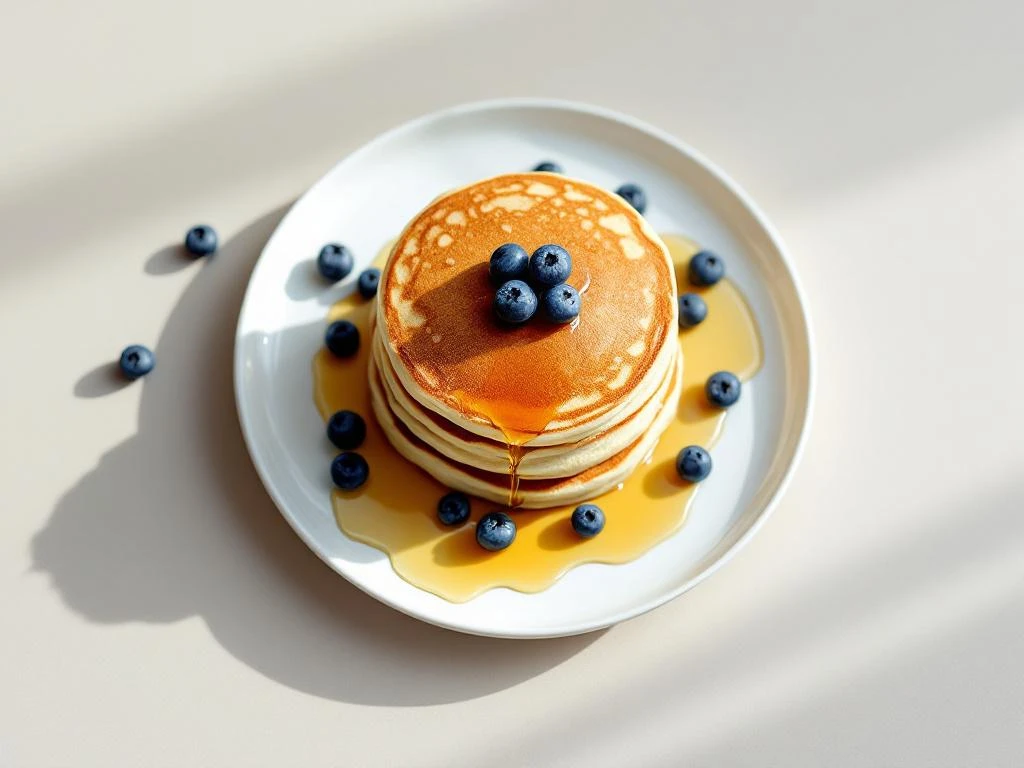
Making gluten free blueberry pancakes that actually work can feel tricky when you’re following a low FODMAP diet. Traditional wheat flour is off limits, and many alternative flours don’t create the fluffy texture you’re craving. Almond flour solves this problem beautifully.
This almond flour pancakes recipe is suitable for beginners with basic cooking skills. You’ll need about 20 minutes from start to finish, including cooking time. The process is straightforward, and the results are consistently good once you understand how almond flour behaves differently from wheat flour.
You’ll need almond flour, fresh blueberries, eggs, a lactose-free milk alternative, baking powder, a mixing bowl, a whisk, and a non-stick pan. These IBS friendly pancakes work perfectly for anyone managing digestive sensitivities while still wanting a satisfying breakfast.
Why almond flour makes perfect low FODMAP pancakes
Almond flour brings several advantages to your low FODMAP breakfast routine. It’s naturally gluten free, which makes it safe for anyone avoiding wheat, and it contains no FODMAPs in the serving sizes used for pancakes. The protein and healthy fats in almond flour help keep you satisfied longer than traditional pancakes would.
The texture of almond flour creates surprisingly fluffy pancakes when you use the right technique. Unlike coconut flour (which absorbs enormous amounts of liquid) or rice flour (which can turn gummy), almond flour has a mild flavour and produces tender results. It browns beautifully in the pan, giving you that golden colour you expect from good pancakes.
For those managing IBS symptoms, almond flour pancakes are gentle on your digestive system. They contain no lactose when paired with lactose-free milk, no gluten to trigger sensitivities, and the natural fibre in almonds supports digestive health without overwhelming your system. The combination makes these dairy free pancakes a reliable choice for sensitive stomachs.
Gather your ingredients and tools
You’ll need these low FODMAP ingredients for about 8 medium pancakes:
- 200g almond flour (finely ground, blanched works best)
- 2 large eggs at room temperature
- 120ml lactose-free milk (almond milk or oat milk in small amounts)
- 2 teaspoons baking powder
- 1 tablespoon maple syrup
- ½ teaspoon vanilla extract (optional)
- Pinch of salt
- 100g fresh blueberries
- Oil or lactose-free butter for cooking
Choose almond flour that’s finely ground rather than almond meal, which includes the skins and creates a grainier texture. Check that your baking powder is fresh (it should fizz when mixed with water). Fresh blueberries work better than frozen, which release too much moisture and can make your batter watery.
Essential kitchen tools include a medium mixing bowl, a whisk or fork, a non-stick frying pan (about 20-25cm diameter), a spatula for flipping, and measuring cups and spoons. A ladle or large spoon helps portion the batter consistently.
Substitution options that maintain low FODMAP compliance include using coconut oil instead of butter for cooking, or replacing regular milk with small amounts of oat milk (up to 60ml per serving is low FODMAP). You can skip the vanilla if you don’t have it, though it adds nice flavour depth.
Mix the batter for fluffy texture
Start by whisking your dry ingredients together in your mixing bowl. Combine the almond flour, baking powder, and salt. Break up any lumps in the almond flour with your whisk. This step ensures even distribution of the baking powder, which creates the lift in your pancakes.
In a separate small bowl or measuring jug, whisk together the eggs, lactose-free milk, maple syrup, and vanilla extract until well combined. The eggs should be fully incorporated with no streaks of yolk visible. Room temperature eggs mix more easily and create better texture.
Pour the wet ingredients into the dry ingredients. Stir gently with your whisk until just combined. The batter should look slightly lumpy, not perfectly smooth. Overmixing develops the proteins in the eggs too much and creates tough, dense pancakes. Stop stirring as soon as you no longer see dry flour.
Fold in your blueberries gently using a spatula or large spoon. Use a lifting motion rather than stirring to keep the berries whole and prevent them from breaking and colouring your batter. The final consistency should be thick but pourable, similar to yoghurt. If it’s too thick, add a tablespoon of milk at a time until it reaches the right consistency.
Let the batter rest for 3 minutes before cooking. This allows the almond flour to absorb the liquid properly and the baking powder to start activating. You’ll notice the batter thickens slightly during this time.
Cook pancakes to golden perfection
Heat your non-stick pan over medium heat for about 2 minutes. Test the temperature by flicking a drop of water onto the surface. It should sizzle and evaporate within a few seconds. If it evaporates instantly, your pan is too hot. If it just sits there, it’s not hot enough.
Add about half a teaspoon of oil or a small knob of lactose-free butter to the pan. Swirl it around to coat the surface lightly. Too much fat makes the pancakes greasy, whilst too little causes sticking.
Pour about 60ml (roughly 4 tablespoons) of batter into the pan for each pancake. Don’t spread it out. Let it settle naturally into a round shape. You can usually cook 2-3 pancakes at once depending on your pan size, but leave space between them for easy flipping.
Watch for bubbles to form on the surface, which takes about 2-3 minutes. The edges should look set and slightly dry. Almond flour pancakes show fewer bubbles than wheat flour pancakes, so look for the edges to firm up as your main indicator. The bottom should be golden brown when you lift the edge with your spatula.
Flip the pancake in one confident motion. Cook the second side for about 1-2 minutes until golden. It needs less time than the first side. Press gently in the centre with your spatula. If it springs back, it’s done. If it feels mushy, give it another 30 seconds.
Transfer cooked pancakes to a plate and keep them warm whilst you cook the remaining batter. You can place them in a low oven (about 100°C) if you want to serve them all hot at once. Add a tiny bit more oil to the pan between batches if needed.
Troubleshoot common pancake problems
Pancakes falling apart when you flip them usually means your batter is too wet or you’re flipping too early. Add another tablespoon of almond flour to thicken the batter, and wait until you see those set edges before attempting to flip. Make sure your spatula gets completely under the pancake before lifting.
Burning too quickly indicates your heat is too high. Almond flour browns faster than wheat flour because of its natural sugars and fats. Reduce your heat to medium-low and be patient. The inside needs time to cook through whilst the outside browns.
Dense, heavy pancakes result from overmixing your batter or using old baking powder. Mix only until the ingredients come together, leaving some small lumps. Test your baking powder by dropping a bit in warm water. It should bubble vigorously if it’s still active.
Blueberries sinking to the bottom happens when your batter is too thin or your berries are too wet. Pat fresh blueberries dry with kitchen paper before folding them in. If using frozen berries, toss them in a teaspoon of almond flour before adding them. This coating helps them stay suspended in the batter.
Pancakes sticking to the pan means either your pan isn’t hot enough, you need more oil, or your non-stick coating is worn out. Always preheat properly and use a light coating of fat for each batch. A well-seasoned cast iron pan also works brilliantly for these almond flour blueberry pancakes.
Serve and store your blueberry pancakes
Serve your pancakes warm with low FODMAP friendly toppings. Pure maple syrup is a safe choice that adds sweetness without triggering symptoms. A dollop of lactose-free yoghurt provides protein and creamy contrast. Fresh blueberries on top add extra fruit without increasing FODMAP load significantly.
Other topping ideas include a small amount of lactose-free butter, a sprinkle of cinnamon, sliced strawberries (up to 5 medium berries per serving), or a handful of chopped pecans or walnuts. Avoid honey in large amounts during the elimination phase, as it contains high FODMAP sugars.
For portion sizes, 2-3 pancakes make a satisfying breakfast for most people. This keeps your almond flour intake to a reasonable amount (almonds are low FODMAP up to 10 nuts or about 12g, and these pancakes use more than that per serving, but most people tolerate the amount in 2-3 pancakes without issues). Pay attention to how your body responds and adjust accordingly.
Store leftover pancakes in an airtight container in the refrigerator for up to 3 days. Place parchment paper between each pancake to prevent sticking. They’ll lose some of their initial fluffiness but still taste good.
For longer storage, freeze pancakes for up to 2 months. Arrange them in a single layer on a baking tray and freeze until solid (about 2 hours), then transfer to a freezer bag. This prevents them from sticking together. Reheat refrigerated pancakes in a toaster or warm pan for a few minutes on each side. Microwave frozen pancakes for 30-60 seconds, or toast them directly from frozen for better texture.
These how to make almond flour pancakes have become a reliable option in our low FODMAP breakfast rotation. They prove that managing dietary restrictions doesn’t mean sacrificing the foods you enjoy. The combination of protein from eggs and almond flour keeps you satisfied through the morning, whilst the blueberries add natural sweetness and antioxidants.
Once you’ve mastered this basic recipe, you can experiment with different additions. Try adding a pinch of cinnamon to the batter, using raspberries instead of blueberries, or stirring in a handful of dark chocolate chips (check they’re dairy free). The technique remains the same regardless of which variations you choose.
Making gluten free breakfast pancakes that work with your digestive needs is entirely achievable. With the right ingredients and techniques, you can enjoy a breakfast that’s both delicious and gentle on your system.
Almond flour blueberry pancakes
Cooking Time: 20 minutes | Portions: 8 medium pancakes
Ingredients:
- 200g almond flour (finely ground)
- 2 large eggs (room temperature)
- 120ml lactose-free milk
- 2 teaspoons baking powder
- 1 tablespoon maple syrup
- ½ teaspoon vanilla extract
- Pinch of salt
- 100g fresh blueberries
- Oil or lactose-free butter for cooking
Method:
- Whisk together almond flour, baking powder, and salt in a mixing bowl
- Combine eggs, lactose-free milk, maple syrup, and vanilla in a separate bowl
- Pour wet ingredients into dry ingredients and stir until just combined
- Gently fold in blueberries
- Let batter rest for 3 minutes
- Heat non-stick pan over medium heat and add small amount of oil
- Pour 60ml batter per pancake into pan
- Cook for 2-3 minutes until edges are set and bubbles appear
- Flip and cook for 1-2 minutes until golden
- Serve warm with maple syrup, lactose-free yoghurt, or fresh berries
This recipe is for informational purposes only and is not medical or dietary advice. Please consult a healthcare professional before making any changes to your diet.