
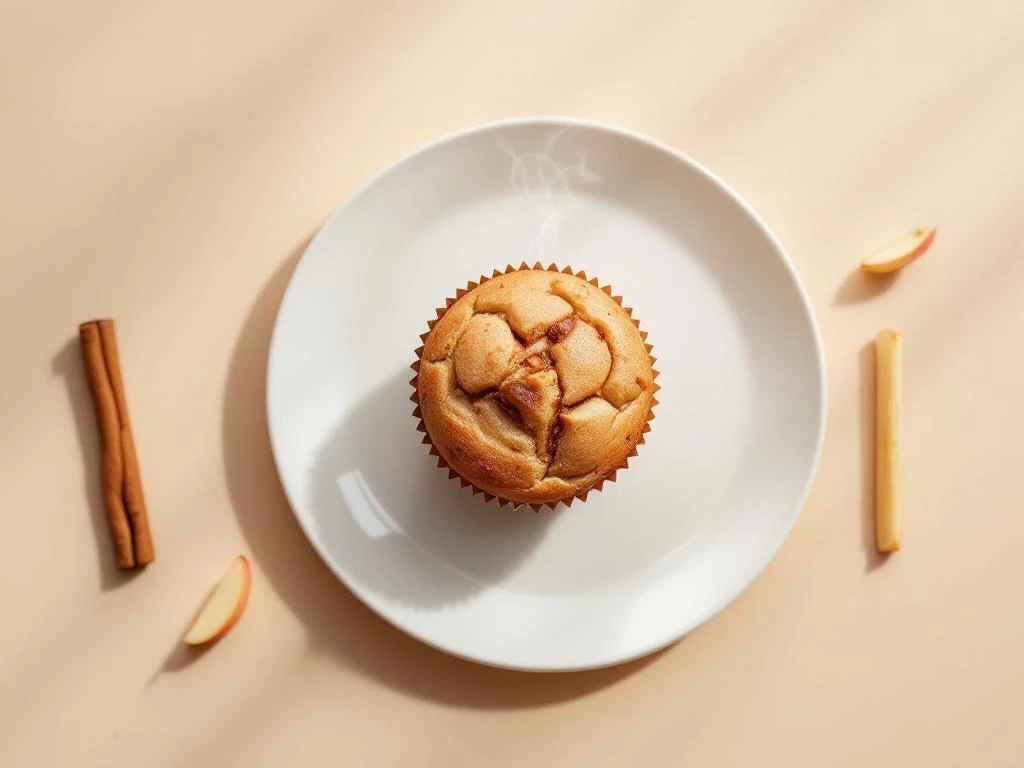
Making gluten-free cinnamon apple muffins that work for a sensitive stomach doesn’t mean compromising on taste or texture. These low FODMAP muffins are designed specifically for people with IBS and food intolerances, combining warming cinnamon with sweet apple chunks in a tender, moist crumb. You’ll learn how to create FODMAP friendly muffins that are gentle on your digestive system while delivering the satisfying flavour of traditional baked goods.
This recipe is suitable for beginners with basic baking experience. You’ll need about 45 minutes total, including 30 minutes of baking time. The gluten-free baking techniques are straightforward, making these easy gluten-free muffins perfect for weekend meal prep or a quick low FODMAP breakfast option throughout the week.
Why these gluten-free apple muffins work for IBS
These gluten-free cinnamon apple muffins are built around ingredients that support digestive comfort. We use a certified gluten-free flour blend instead of wheat flour, eliminating the gluten that can trigger symptoms in sensitive individuals. The recipe avoids high FODMAP ingredients like honey, regular milk, and excess amounts of certain fruits that might cause digestive distress.
The apple portion is carefully controlled. Small amounts of certain apple varieties remain low FODMAP and add natural sweetness without overloading your system with excess fructose. Cinnamon provides warmth and flavour without any FODMAP content, making these cinnamon muffins recipe ideal for those following elimination phases.
Lactose-free butter and a suitable milk alternative keep these muffins moist without dairy triggers. The gluten-free flour blend typically contains rice flour, tapioca starch, and potato starch, which create a light texture similar to traditional muffins. This combination makes these IBS friendly muffins both safe and satisfying, proving that dietary restrictions don’t require bland food.
Gather your ingredients and tools
For the dry ingredients, you’ll need 280g gluten-free all-purpose flour blend (check it contains xanthan gum), 150g caster sugar, 2 teaspoons baking powder, 1 teaspoon ground cinnamon, and a pinch of salt. The flour blend should be a commercial mix designed for baking, as these are formulated to replace wheat flour properly.
Your wet ingredients include 2 large eggs at room temperature, 120ml lactose-free milk or a suitable plant-based alternative (almond milk works well in small quantities), 80ml neutral oil (such as sunflower or light olive oil), and 1 teaspoon vanilla extract. You’ll also need 1 medium Granny Smith apple, which stays lower in FODMAPs when used in controlled portions.
Essential tools include a 12-cup muffin tin, paper muffin cases, two mixing bowls (one large, one medium), a whisk, a spatula, measuring cups and spoons, and a sharp knife for dicing the apple. An ice cream scoop helps portion the batter evenly. If you don’t have lactose-free butter, you can substitute with additional oil, though the flavour will be slightly different.
Ingredient substitutions
You can replace the caster sugar with an equal amount of coconut sugar for a deeper flavour. If eggs are a concern, commercial egg replacers work in gluten-free baking, though texture may vary slightly. For the milk, stick to low FODMAP options like lactose-free dairy milk, almond milk (in small amounts), or rice milk. Avoid soy milk unless it’s made from soy protein only.
Prepare the apple cinnamon mixture
Start by preheating your oven to 180°C (160°C fan). Line your muffin tin with paper cases. This preparation ensures everything is ready when your batter is mixed, which matters for gluten-free baking where the leavening agents start working immediately.
Peel your Granny Smith apple completely, as the skin can be harder to digest for some people with IBS. Cut the apple into quarters, remove the core, and dice into small cubes about 0.5cm in size. Small pieces distribute better throughout the muffins and create pleasant bursts of flavour without large chunks that might sink.
Place the diced apple in a small bowl and toss with an additional half teaspoon of cinnamon and one tablespoon of your measured flour. This coating helps prevent the apple pieces from sinking to the bottom during baking. The flour creates a light barrier that suspends the fruit in the batter as it rises. Set this mixture aside while you prepare the batter.
Mix the gluten-free muffin batter
In your large mixing bowl, whisk together the gluten-free flour, sugar, baking powder, cinnamon, and salt. Make sure these dry ingredients are well combined, with no lumps of baking powder visible. Gluten-free flour can clump, so breaking up any clusters now prevents dense spots in your finished muffins.
In your medium bowl, whisk the eggs until slightly frothy. Add the lactose-free milk, oil, and vanilla extract. Whisk until the mixture is smooth and well combined. The oil should be fully incorporated rather than floating on top.
Pour the wet ingredients into the dry ingredients all at once. Using a spatula, fold the mixture together with gentle strokes. Stop mixing as soon as no dry flour is visible. The batter will look slightly lumpy, which is exactly right for gluten-free muffins. Overmixing develops the starches too much and creates gummy, dense muffins rather than light, tender ones.
Gently fold in your prepared apple cinnamon mixture. Use just a few strokes to distribute the apple pieces throughout the batter. The batter will be thicker than traditional muffin batter, similar to a soft cookie dough. This consistency is normal for gluten-free baking.
Bake and test for perfect doneness
Divide the batter evenly among your 12 muffin cases. An ice cream scoop makes this easy and ensures uniform muffins that bake at the same rate. Fill each case about three-quarters full. The batter should dome slightly above the paper case edge but not overflow.
Bake for 25 to 30 minutes. The muffins are done when the tops are golden brown and spring back lightly when touched. A skewer inserted into the centre should come out clean or with just a few moist crumbs. If you see wet batter on the skewer, bake for another 3 to 5 minutes and test again.
Gluten-free muffins can dry out if overbaked, so check them at 25 minutes. The tops should be set and slightly cracked, with edges that are just beginning to pull away from the paper cases. These visual cues help you catch them at peak moistness. Let the muffins cool in the tin for 5 minutes, then transfer to a wire rack. This prevents soggy bottoms while allowing steam to escape properly.
Store and enjoy your low FODMAP muffins
Allow your gluten-free cinnamon apple muffins to cool completely before storing, which takes about 30 minutes on a wire rack. Storing them while still warm creates condensation that makes them soggy. Once cooled, these low FODMAP breakfast options stay fresh for different lengths depending on your storage method.
At room temperature, store the muffins in an airtight container for up to 3 days. Place a piece of kitchen paper in the bottom of the container to absorb any excess moisture. Keep them away from direct sunlight or heat sources. Room temperature storage works well if you plan to eat them within a few days.
For longer storage, refrigerate the muffins in an airtight container for up to one week. Bring them to room temperature before eating, or warm them in the microwave for 15 to 20 seconds. Refrigeration extends freshness but can make them slightly firmer. You can also freeze these muffins for up to 3 months. Wrap each muffin individually in cling film, then place them all in a freezer bag. Thaw overnight in the fridge or at room temperature for a few hours.
Serving suggestions
These muffins work beautifully as a grab-and-go breakfast with a cup of tea or coffee. Pair them with a serving of lactose-free yoghurt and some strawberries for a more substantial morning meal. They also make excellent snacks between meals, providing energy without triggering digestive symptoms. For a special touch, warm a muffin slightly and spread it with a thin layer of lactose-free butter.
You’ve now mastered a reliable recipe for gluten-free apple muffins that respect your digestive needs without sacrificing enjoyment. These FODMAP friendly muffins prove that managing IBS doesn’t mean missing out on comforting baked goods. The techniques you’ve learned apply to other gluten-free baking projects, from different muffin flavours to quick breads. Keep experimenting with low FODMAP ingredients to expand your baking repertoire while keeping your symptoms under control.
Gluten-free cinnamon apple muffins
Cooking time: 30 minutes | Portions: 12 muffins
Ingredients
- 280g gluten-free all-purpose flour blend (with xanthan gum)
- 150g caster sugar
- 2 teaspoons baking powder
- 1.5 teaspoons ground cinnamon (divided)
- Pinch of salt
- 2 large eggs (room temperature)
- 120ml lactose-free milk or suitable plant-based alternative
- 80ml neutral oil
- 1 teaspoon vanilla extract
- 1 medium Granny Smith apple (peeled and diced)
Method
- Preheat oven to 180°C (160°C fan) and line a 12-cup muffin tin with paper cases
- Peel, core, and dice the apple into 0.5cm cubes, toss with 0.5 teaspoon cinnamon and 1 tablespoon flour
- Whisk together flour, sugar, baking powder, remaining cinnamon, and salt in a large bowl
- In a separate bowl, whisk eggs, milk, oil, and vanilla until smooth
- Pour wet ingredients into dry ingredients and fold gently until just combined
- Fold in the prepared apple mixture with minimal strokes
- Divide batter evenly among muffin cases, filling three-quarters full
- Bake for 25 to 30 minutes until golden and a skewer comes out clean
- Cool in tin for 5 minutes, then transfer to a wire rack
- Store in an airtight container at room temperature for 3 days, refrigerate for 1 week, or freeze for 3 months
This recipe is for informational purposes only and is not medical or dietary advice. Please consult a healthcare professional before making any changes to your diet.