
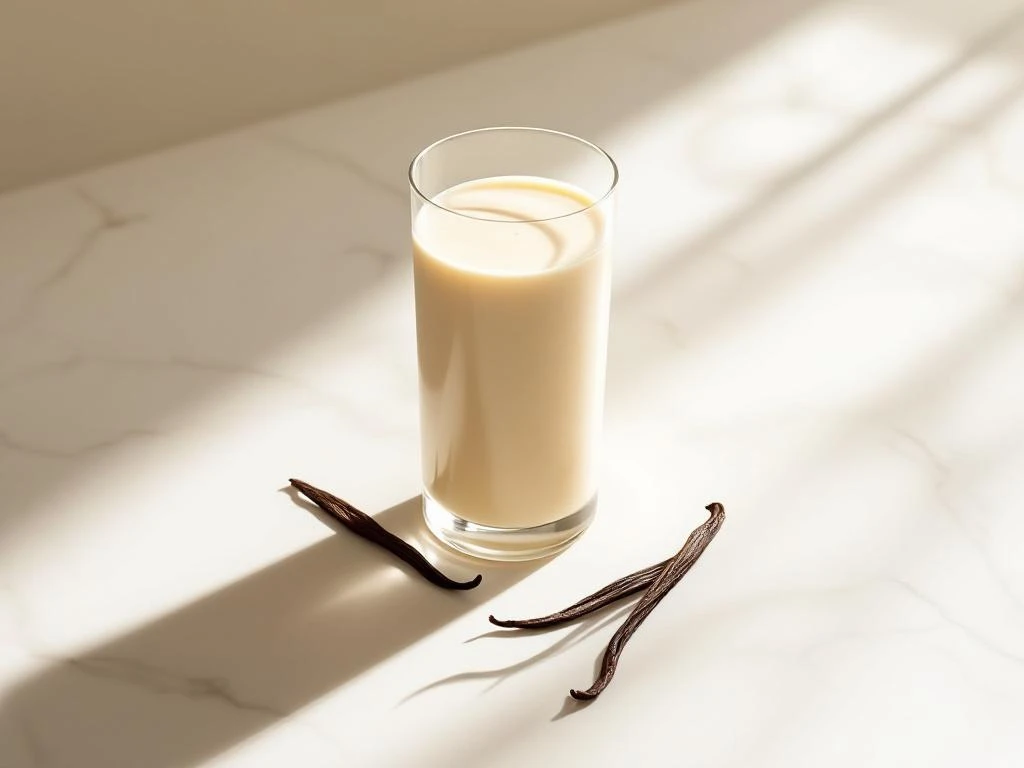
Living with IBS means finding foods that nourish without triggering digestive discomfort. This lactose-free vanilla smoothie gives you a quick, gentle breakfast or snack that supports your gut health. The recipe takes about 5 minutes to prepare and requires just a blender and a few simple ingredients. You’ll learn how to combine lactose-free milk alternatives with low FODMAP ingredients to create a creamy, satisfying drink that won’t upset your stomach. This guide is perfect for beginners who want a reliable, IBS-friendly smoothie they can make any day of the week.
Why this lactose-free vanilla smoothie works for IBS
Traditional dairy smoothies contain lactose, which many people with IBS struggle to digest properly. When lactose sits undigested in your gut, it can trigger bloating, cramping, and other uncomfortable symptoms. This dairy-free vanilla smoothie eliminates that trigger entirely while still delivering creamy texture and satisfying nutrition.
The low FODMAP approach focuses on reducing fermentable sugars that feed gut bacteria and cause digestive distress. This lactose-free breakfast option uses carefully selected ingredients that fall within safe FODMAP limits. Lactose-free milk alternatives like almond milk (in small portions) or lactose-free cow’s milk provide the base without the digestive consequences.
Beyond avoiding triggers, this IBS-friendly smoothie offers genuine nutritional benefits. You get protein for sustained energy, healthy fats for satiety, and natural sweetness without excess fructose. The simple ingredient list means you know exactly what’s going into your body. This transparency matters when you’re managing digestive sensitivities and need to identify what works for your specific system.
Essential ingredients for your vanilla smoothie
Building a successful low FODMAP smoothie starts with choosing the right base. Your lactose-free milk options include lactose-free cow’s milk, almond milk (limit to 60ml per serving), or macadamia milk. Avoid coconut milk in large amounts, as it can exceed FODMAP limits. Stick to 250ml of your chosen milk for one serving.
For the vanilla flavour, use pure vanilla extract rather than vanilla essence. You’ll need about half a teaspoon per smoothie. Pure extract provides better flavour without additives that might irritate sensitive stomachs. Check the label to confirm it doesn’t contain high FODMAP sweeteners like honey or agave.
Sweetening your digestive-friendly smoothie requires FODMAP-safe options. Maple syrup works well at one tablespoon per serving. White sugar is also low FODMAP in small amounts. Avoid honey, agave nectar, and most artificial sweeteners during the elimination phase. If you prefer a less sweet smoothie, you can skip the sweetener entirely.
Optional additions that stay within FODMAP limits include:
- Half a frozen banana (firm, slightly underripe bananas are lower FODMAP)
- One tablespoon of peanut butter (check for added ingredients)
- A handful of ice cubes for thickness
- One tablespoon of chia seeds for extra fibre and omega-3s
- A pinch of cinnamon for warmth
Keep these additions moderate. Even low FODMAP foods can trigger symptoms when you consume too much at once. The key is portion control combined with ingredient quality.
Blend your lactose-free vanilla smoothie
Start by adding your liquid first. Pour 250ml of your chosen lactose-free milk into the blender. Adding liquid first prevents ingredients from sticking to the bottom and ensures smooth blending. This simple order makes a noticeable difference in texture.
Add your vanilla extract and sweetener next. Measure carefully, as too much sweetener can overwhelm the gentle vanilla flavour. Half a teaspoon of vanilla extract and one tablespoon of maple syrup creates a balanced taste. You can always add more sweetener after tasting, but you can’t take it out.
If you’re including optional ingredients like banana or peanut butter, add them now. Break the banana into chunks rather than adding it whole. This helps your blender process everything evenly. For a thicker consistency, add 4-6 ice cubes at this stage.
Blend on high speed for 30-45 seconds. Your vanilla smoothie recipe should look completely smooth with no visible chunks. If you see bits of ice or banana, blend for another 15 seconds. The texture should coat the back of a spoon but still pour easily.
Check the consistency before pouring. Too thick means you need a splash more milk. Too thin means you can add another ice cube and blend briefly. The perfect texture feels creamy in your mouth without being heavy. Pour immediately into a glass and enjoy while cold.
Clean your blender right away. Rinse it with warm water as soon as you pour your smoothie. This prevents residue from drying and makes cleanup much easier. A quick rinse now saves scrubbing later.
Texture troubleshooting
If your smoothie separates after sitting, this is normal with some milk alternatives. Give it a quick stir before drinking. Almond milk tends to separate more than lactose-free cow’s milk. Adding a small amount of chia seeds can help bind the ingredients together naturally.
Getting a grainy texture usually means your blender needs more time. Blend for an additional 20 seconds on high speed. If graininess persists, your blender might not be powerful enough for frozen ingredients. Try using chilled fresh banana instead of frozen, or skip the ice cubes.
Customise your smoothie with low FODMAP additions
Protein powder turns this smoothie into a more substantial meal. Choose a low FODMAP protein powder without added sweeteners like inulin or chicory root. Plain whey protein isolate (lactose-free) or rice protein work well. Add one scoop per serving and blend thoroughly to avoid clumps.
Fruit additions need careful selection to maintain FODMAP compliance. Besides banana, you can add a small handful of blueberries (about 20 berries), strawberries (5 medium berries), or a kiwi fruit. Avoid apples, pears, mangoes, and stone fruits during the elimination phase. Frozen fruit creates a thicker, colder smoothie similar to a milkshake.
Seeds and nuts provide healthy fats and extra nutrition. One tablespoon of any of these works well:
- Chia seeds for omega-3s and thickness
- Ground flaxseed for fibre
- Pumpkin seeds for zinc and magnesium
- Peanut butter (limit to one tablespoon)
- Almond butter (very small amounts only)
Flavour extracts let you create variety without adding FODMAPs. Try almond extract, peppermint extract, or coconut extract. Use just a few drops, as extracts are concentrated. A quarter teaspoon adds noticeable flavour without overwhelming the vanilla base.
Spices add warmth and complexity to your dairy-free vanilla smoothie. Cinnamon, nutmeg, and ginger are all low FODMAP. Start with a small pinch and adjust to taste. These spices also offer anti-inflammatory benefits that support digestive health.
Green additions boost nutrition without changing the flavour much. A handful of baby spinach blends invisibly into the smoothie while adding vitamins and minerals. The vanilla flavour masks any vegetal taste. Start with a small amount and increase gradually as you get comfortable.
Portion guidance for FODMAP safety
Even low FODMAP foods can cause problems in large quantities. Stick to these serving sizes to stay safe:
- Banana: half of a medium, slightly firm banana
- Berries: 20 blueberries or 5 strawberries maximum
- Almond milk: 60ml per serving
- Nut butters: one tablespoon maximum
- Seeds: one tablespoon total
Making multiple servings at once requires careful calculation. Don’t simply double all ingredients if you’re in the elimination phase. The FODMAP load stacks up quickly. Instead, make individual servings to maintain safe portion sizes.
Enjoying your IBS-friendly smoothie routine
This lactose-free vanilla smoothie becomes a reliable option when you know it won’t trigger symptoms. You’ve learned how to select safe ingredients, blend them properly, and customise within FODMAP limits. The simple process means you can make this smoothie even on rushed mornings when you need something quick and gentle.
Your smoothie works as a breakfast, snack, or light meal depending on what you add. The base recipe provides a foundation you can adapt as you learn which ingredients your body tolerates best. Keep notes about any additions you try so you can identify what works for your specific needs.
As you move through the FODMAP reintroduction phase, you might discover you can tolerate larger portions of certain ingredients. Test one ingredient at a time in controlled amounts. This systematic approach helps you expand your diet safely while maintaining the digestive comfort you’ve achieved.
We offer many more low FODMAP recipes that support your journey toward better digestive health. Each recipe focuses on real ingredients and practical preparation methods that fit into everyday life.
Lactose-free vanilla smoothie
Preparation time: 5 minutes | Serves: 1
Ingredients:
- 250ml lactose-free milk (cow’s milk, macadamia milk, or 60ml almond milk topped up with water)
- ½ teaspoon pure vanilla extract
- 1 tablespoon maple syrup (or to taste)
- ½ medium banana, slightly firm (optional)
- 4-6 ice cubes
- 1 tablespoon peanut butter (optional)
- 1 tablespoon chia seeds (optional)
Instructions:
- Pour lactose-free milk into blender
- Add vanilla extract and maple syrup
- Add optional ingredients (banana chunks, peanut butter, chia seeds)
- Add ice cubes
- Blend on high speed for 30-45 seconds until completely smooth
- Check consistency and adjust with more milk if too thick
- Pour into glass and serve immediately
Tips:
- Use slightly underripe banana for lower FODMAP content
- Blend liquid first to prevent sticking
- Add ice for thicker, colder texture
- Rinse blender immediately after use for easy cleanup
This recipe is for informational purposes only and is not medical or dietary advice. Please consult a healthcare professional before making any changes to your diet.