
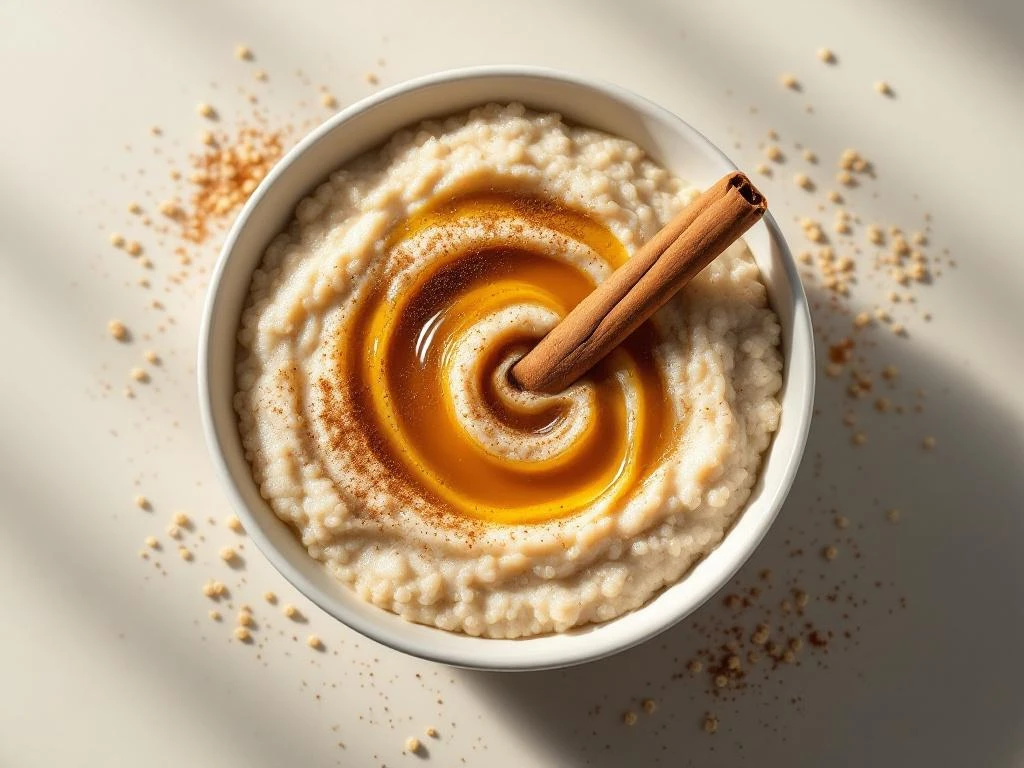
Starting your morning with a warm, nourishing bowl of quinoa breakfast porridge transforms your day when you’re managing IBS or following a low FODMAP diet. This gluten free breakfast porridge offers a satisfying alternative that won’t trigger digestive discomfort whilst delivering sustained energy throughout your morning. Unlike traditional oat porridge that can cause issues for some people with food sensitivities, this cinnamon quinoa breakfast brings comfort and flavour without compromise.
This recipe works for beginners and takes about 20 minutes from start to finish. You’ll need basic kitchen equipment, quinoa, lactose-free milk, and cinnamon. The result is a creamy, warming breakfast that supports your digestive health whilst tasting delicious.
Why quinoa makes the perfect breakfast porridge
Quinoa stands out as an exceptional choice for an IBS friendly breakfast because it’s naturally low FODMAP in appropriate portions. This ancient grain contains all nine essential amino acids, making it a complete protein source that keeps you satisfied longer than many traditional breakfast options. When you’re managing digestive sensitivities, this matters because stable blood sugar levels throughout the morning can help prevent energy crashes that sometimes worsen IBS symptoms.
The protein content in quinoa breakfast porridge reaches about 8 grams per serving, significantly higher than most grain-based breakfasts. This complete amino acid profile supports muscle maintenance and provides steady energy release. Unlike oats, which contain avenin (a protein that some people with gluten sensitivity react to), quinoa is naturally gluten free and typically well tolerated by those with various food sensitivities.
For digestive health specifically, quinoa offers gentle fibre that supports regular bowel movements without the harsh insoluble fibre that can irritate sensitive digestive systems. The grain digests slowly, preventing the blood sugar spikes and crashes that can trigger digestive discomfort in some people. When prepared as a healthy quinoa porridge, it provides minerals like magnesium and iron that support overall wellbeing whilst remaining FODMAP friendly porridge in recommended serving sizes.
Gather your ingredients and kitchen tools
Creating this low FODMAP breakfast requires simple, accessible ingredients that you can find at most supermarkets. Here’s what you’ll need for two servings:
- 100g white or red quinoa (rinsed thoroughly)
- 400ml lactose-free milk or suitable plant-based alternative (almond milk made from almonds only, not protein-fortified versions)
- 1 teaspoon ground cinnamon
- Pinch of salt
- Optional: 1-2 teaspoons maple syrup or other low FODMAP sweetener
For kitchen equipment, you’ll need a medium saucepan with a lid, measuring cups, a fine mesh strainer for rinsing quinoa, and a wooden spoon for stirring. A timer helps ensure you don’t overcook the quinoa breakfast bowl.
Ingredient substitutions that maintain low FODMAP compliance include using coconut milk (canned, not the drinking variety), rice milk, or other certified low FODMAP milk alternatives. If you can’t find quinoa, you might consider millet as an alternative, though cooking times will differ. Avoid using regular dairy milk unless you’re certain you tolerate lactose, and skip honey as a sweetener since it’s high FODMAP.
Check that your cinnamon is pure ground cinnamon without added ingredients. Some spice blends contain high FODMAP additions like onion or garlic powder. Store-bought quinoa sometimes comes pre-rinsed, but rinsing again ensures you remove all the bitter saponin coating that can cause digestive upset.
Shopping tips for low FODMAP ingredients
When selecting lactose-free milk, read labels carefully. Some brands add inulin or chicory root as thickeners, both of which are high FODMAP. Plain lactose-free cow’s milk or simple almond milk (just almonds and water) work best. For quinoa, white quinoa has the mildest flavour, whilst red and black varieties offer slightly nuttier tastes. All colours work equally well in this quinoa porridge recipe.
Cook quinoa porridge to creamy perfection
Begin by placing your quinoa in a fine mesh strainer and rinsing it under cold running water for about 30 seconds. Rub the grains gently between your fingers whilst rinsing. This removes the natural saponin coating that makes unrinsed quinoa taste bitter and can irritate your digestive system. You’ll know it’s ready when the water runs clear rather than appearing slightly soapy.
Pour the rinsed quinoa into your medium saucepan. Add the lactose-free milk and a pinch of salt. The liquid-to-quinoa ratio of 4:1 creates that creamy porridge consistency you’re after. Place the pan over medium-high heat and bring the mixture to a gentle boil, stirring occasionally to prevent the milk from scorching on the bottom.
Once the mixture reaches a boil, reduce the heat to low and add your cinnamon. Stir well to distribute the spice evenly throughout the porridge. Cover the pan with a lid, leaving it slightly ajar to allow steam to escape. This prevents the mixture from boiling over whilst maintaining enough moisture for creamy texture.
Simmer the quinoa breakfast porridge for 15-18 minutes, stirring every 5 minutes. You’ll notice the quinoa grains becoming translucent and the distinctive little “tails” (the germ) separating from each grain. This visual cue tells you the quinoa is cooked through. The porridge should thicken considerably as the quinoa absorbs the milk.
Adjusting consistency to your preference
If your warm quinoa breakfast looks too thick after the cooking time, add 50ml more lactose-free milk and stir well. The porridge continues to thicken as it cools, so aim for a consistency that’s slightly thinner than your desired final result. For a thicker porridge, simply cook for an additional 2-3 minutes with the lid off, stirring constantly to prevent sticking.
Taste the porridge to check that the quinoa is tender with a slight bite, similar to properly cooked rice. If the grains still feel hard or crunchy, add a splash more milk and continue cooking for another 3-5 minutes. Remove from heat once you achieve your preferred consistency and let it rest for 2 minutes before serving. This resting time allows the porridge to reach its final creamy texture.
Customize with low FODMAP toppings
Toppings transform your basic quinoa breakfast bowl into something special whilst keeping it FODMAP friendly. The key is respecting portion sizes to avoid triggering symptoms. Safe fruit options include a small handful of blueberries (around 20 berries), one small sliced banana, or 10-15 strawberries cut into quarters. These portions stay within low FODMAP limits whilst adding natural sweetness and vitamins.
For added crunch and healthy fats, consider these seed and nut options:
- One tablespoon of pumpkin seeds (pepitas)
- One tablespoon of sunflower seeds
- 10 walnut halves, roughly chopped
- One tablespoon of chia seeds (adds thickness and omega-3s)
- Small handful of pecans (about 10 halves)
Sweetener options that maintain low FODMAP compliance include pure maple syrup (1-2 tablespoons), brown sugar (1 tablespoon), or glucose syrup. Avoid honey, agave nectar, and high-fructose sweeteners. A small drizzle of maple syrup enhances the cinnamon flavour beautifully without overwhelming the natural nuttiness of the quinoa.
Creative combinations that work well include blueberries with walnuts and maple syrup, sliced banana with pumpkin seeds and a sprinkle of extra cinnamon, or strawberries with pecans and a touch of brown sugar. You can also add a dollop of lactose-free yoghurt for extra creaminess and protein.
Portion guidance for symptom management
Whilst these toppings are low FODMAP, eating excessive amounts can still trigger symptoms. Stick to one serving of fruit, one type of nut or seed, and a measured amount of sweetener. If you’re in the elimination phase of the low FODMAP diet, keep toppings simple with just cinnamon and a small amount of maple syrup until you’ve tested your individual tolerances.
Store and reheat for meal prep success
Preparing this healthy quinoa porridge in advance saves precious morning time whilst ensuring you have an IBS friendly breakfast ready when you need it. Once your porridge has cooled to room temperature, transfer it to an airtight container. Stored properly in the refrigerator, this quinoa breakfast keeps fresh for up to four days.
For batch cooking, multiply the recipe by three or four to create a week’s worth of breakfasts. Cook the quinoa porridge as directed, then divide it into individual portions using small containers with tight-fitting lids. Label each container with the date to track freshness. This approach streamlines busy mornings, especially when IBS symptoms make cooking difficult.
When you’re ready to eat, scoop your desired portion into a microwave-safe bowl. Add 2-3 tablespoons of lactose-free milk to help restore the creamy texture that thickens during storage. Microwave on medium power for 90 seconds, stir well, then heat for another 60 seconds or until warmed through. The gradual reheating prevents the porridge from developing hot spots or becoming gummy.
Alternatively, reheat the porridge on the stovetop over low heat. Place the refrigerated portion in a small saucepan with a splash of lactose-free milk. Stir frequently whilst heating for 3-5 minutes until it reaches your preferred temperature. This method gives you more control over the final consistency and allows you to adjust thickness by adding more milk as needed.
Maintaining quality and safety
Never leave cooked quinoa porridge at room temperature for more than two hours, as this creates conditions for bacterial growth. If you’re meal prepping, cool the porridge quickly by spreading it in a shallow container before refrigerating. Add fresh toppings like fruit and nuts just before eating rather than storing them with the porridge, as this keeps textures appealing and extends the overall freshness of your ingredients.
You’ll know your stored porridge has gone off if it develops an unusual smell, visible mould, or a slimy texture. When in doubt, discard it and make a fresh batch. Properly stored quinoa breakfast porridge should smell pleasant with the cinnamon aroma still detectable and maintain a thick but smooth texture.
This warm quinoa breakfast offers comfort and nutrition that supports your digestive health journey. The combination of complete protein, gentle fibre, and low FODMAP ingredients makes it a reliable choice when you need breakfast that won’t cause discomfort. Whether you make it fresh each morning or batch prep for the week, this cinnamon quinoa breakfast provides the nourishment and flavour you deserve without compromise.
We encourage you to experiment with different low FODMAP toppings to find your favourite combinations. Your morning routine deserves this kind of delicious simplicity that respects your body’s needs whilst satisfying your taste preferences.
Quinoa breakfast porridge with cinnamon
Cooking Time: 20 minutes | Portions: 2 servings
Ingredients:
- 100g quinoa, rinsed thoroughly
- 400ml lactose-free milk or suitable plant-based alternative
- 1 teaspoon ground cinnamon
- Pinch of salt
- Optional: 1-2 teaspoons maple syrup
Method:
- Rinse quinoa in fine mesh strainer under cold water for 30 seconds until water runs clear
- Combine rinsed quinoa, lactose-free milk, and salt in medium saucepan
- Bring to boil over medium-high heat, stirring occasionally
- Reduce heat to low, add cinnamon, and stir well
- Cover pan with lid slightly ajar and simmer for 15-18 minutes, stirring every 5 minutes
- Remove from heat when quinoa is translucent and mixture is creamy
- Let rest for 2 minutes before serving
- Add low FODMAP toppings of choice and enjoy warm
Storage: Refrigerate in airtight container for up to 4 days. Reheat with splash of lactose-free milk.
This recipe is for informational purposes only and is not medical or dietary advice. Please consult a healthcare professional before making any changes to your diet.