
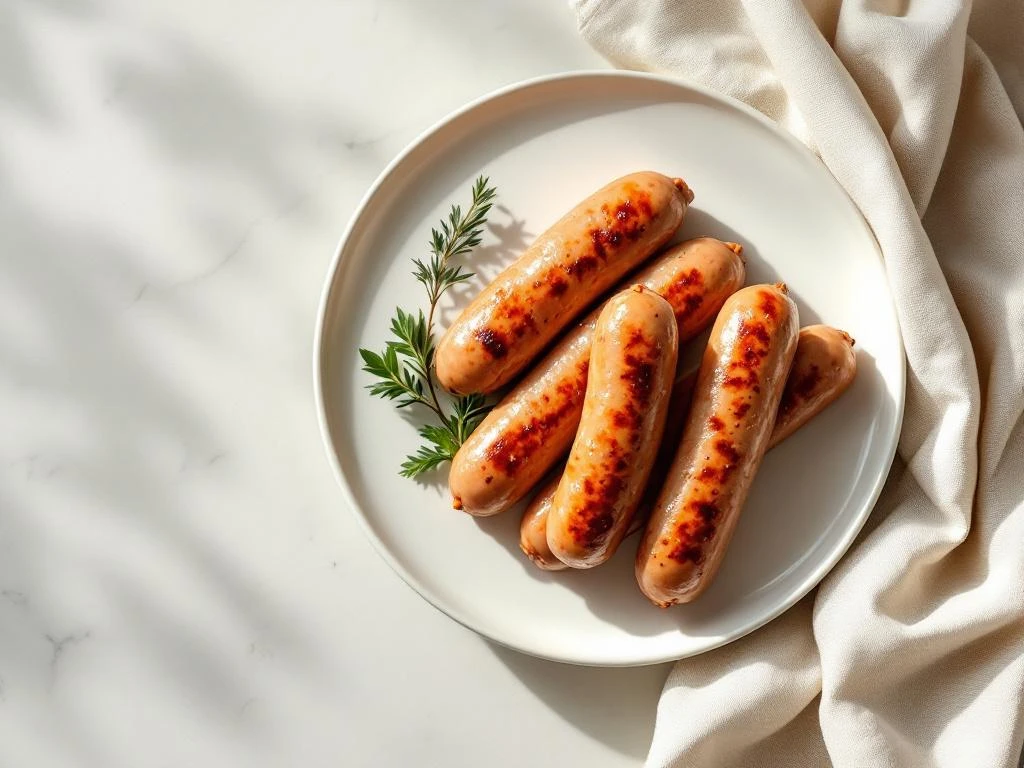
Making turkey sausage breakfast links at home puts you in complete control of every ingredient, which matters when you’re managing IBS or following a low FODMAP diet. Shop-bought breakfast sausages hide common triggers like onion powder and garlic powder in their seasoning blends, making them risky choices for sensitive stomachs. This recipe shows you how to create flavorful, digestive-friendly breakfast sausage using simple ingredients you can trust. You’ll need about 30 minutes of active preparation time, plus cooking. This guide works for anyone comfortable handling raw meat and using basic kitchen equipment. By the end, you’ll have a batch of homemade turkey sausage that tastes better and feels safer than anything from the store.
Why homemade turkey sausage beats shop-bought
Commercial breakfast sausages contain hidden FODMAP triggers that can cause digestive upset without warning. Onion and garlic powders appear in nearly every shop-bought variety, often listed vaguely as “natural flavours” or “spices” on ingredient labels. When you make turkey breakfast sausage at home, you know exactly what goes into each link.
Cost savings add up quickly when you prepare homemade breakfast sausage. A kilogram of ground turkey costs less than buying pre-made links, and you control the portion sizes. You can make a large batch and freeze individual portions for quick IBS-friendly breakfast options throughout the month.
Flavour customisation becomes possible when you mix your own seasonings. Some people tolerate more fennel whilst others prefer sage-forward profiles. You can adjust the spice level, sweetness from maple syrup, and herb intensity to match your taste preferences and digestive needs. This flexibility makes homemade turkey sausage a practical solution for the whole family, even when dietary requirements vary.
Gather your ingredients and equipment
You’ll need 500 grams of ground turkey as your base. Choose turkey mince with some fat content (about 7-10%) rather than extra-lean varieties. The fat keeps your breakfast links moist and flavourful during cooking.
For low FODMAP seasonings, collect these ingredients:
- 1 teaspoon fennel seeds (crushed slightly)
- 1 teaspoon dried sage
- 1/2 teaspoon smoked paprika
- 1 tablespoon pure maple syrup
- 1 teaspoon salt
- 1/2 teaspoon black pepper
- 1/4 teaspoon dried thyme (optional)
Equipment requirements stay simple. You need a large mixing bowl, measuring spoons, and a skillet for cooking. If you want traditional link shapes, sausage casings and a stuffer help, but most people form patties instead. A meat thermometer ensures your turkey sausage reaches safe internal temperatures.
Preparation tip: Crush the fennel seeds lightly using the back of a spoon or a mortar and pestle. Whole seeds work, but crushing releases more flavour into your turkey breakfast sausage recipe. Keep all ingredients cold until you’re ready to mix them. Cold turkey is easier to work with and holds its shape better.
Mix and season your turkey sausage blend
Place your ground turkey in a large, cold mixing bowl. Add all the dried seasonings (fennel, sage, paprika, salt, pepper, thyme) directly onto the meat. Drizzle the maple syrup over the top.
Mix the ingredients using clean hands or a fork. Work gently and avoid overworking the meat. Overmixing makes turkey sausage dense and tough rather than tender. Fold the seasonings through the turkey until you see even distribution of the herbs and spices throughout the mixture. This takes about 1-2 minutes of gentle mixing.
Test your seasoning levels before cooking the entire batch. Take a small portion (about a tablespoon) and cook it in a hot skillet until it reaches 165°F internally. Taste this test piece and adjust the remaining mixture if needed. Add more salt, sage, or maple syrup based on your preferences. This step prevents disappointment after you’ve cooked all your breakfast links.
Chill the mixed turkey sausage for 30 minutes before shaping. Cold meat holds together better and makes forming uniform patties or links much easier. Cover the bowl with cling film and refrigerate whilst you clean your workspace. This chilling time also lets the seasonings blend into the meat more thoroughly.
Shape and cook your breakfast links
Divide your seasoned turkey mixture into equal portions. For standard breakfast sausage patties, use about 60-70 grams per portion. This creates patties similar in size to shop-bought versions. Roll each portion into a ball, then flatten it into a disc about 1 centimetre thick. Keep your hands slightly damp with cold water to prevent sticking.
If you prefer traditional link shapes, roll each portion into a cylinder about 7-8 centimetres long. Pat the ends to seal them. Links take slightly longer to cook through than patties, but many people find them easier to portion for meal prep.
Pan-frying works best for achieving a golden-brown exterior. Heat a skillet over medium heat and add a small amount of oil. Place your turkey sausage patties or links in the pan without crowding them. Cook for 4-5 minutes on the first side until you see browning around the edges.
Flip each piece carefully and cook for another 4-5 minutes. Turkey sausage must reach an internal temperature of 165°F for food safety. Use a meat thermometer to check the thickest part of each link or patty. The exterior should look golden brown whilst the interior stays moist and fully cooked.
Baking offers a hands-off alternative. Arrange your shaped sausages on a parchment-lined baking tray and cook at 190°C for 20-25 minutes, flipping halfway through. This method works well when preparing large batches for meal prep.
Store and reheat for meal prep success
Cooked turkey sausage breakfast links keep in the refrigerator for 3-4 days. Let them cool completely before storing. Place the cooled sausages in an airtight container with parchment paper between layers to prevent sticking. This makes grabbing individual portions for quick low FODMAP breakfasts simple.
Freezer storage extends the life of your homemade breakfast sausage to 2-3 months. Wrap individual patties or links in cling film, then place them in a freezer bag. Remove as much air as possible before sealing. Label the bag with the date so you track freshness. Frozen turkey sausage patties can go straight from freezer to pan without thawing, though they need an extra 2-3 minutes of cooking time.
You can also freeze uncooked turkey sausage using the same wrapping method. Raw sausage maintains better texture when frozen uncooked, though it requires more attention during reheating to ensure it reaches safe temperatures.
Reheating preserves texture best when done gently. For refrigerated sausages, warm them in a skillet over medium-low heat for 2-3 minutes per side. Microwave reheating works but can dry out turkey sausage. If using a microwave, heat in 30-second intervals and add a damp paper towel over the sausages to maintain moisture.
Frozen cooked sausages can be reheated in the oven at 180°C for 10-12 minutes. This method brings back some of the exterior crispness that refrigeration softens. Your digestive-friendly breakfast is ready in minutes when you’ve prepared these turkey sausage breakfast links ahead of time.
Turkey sausage breakfast links
Cooking Time: 30 minutes | Portions: 8 patties
Ingredients:
- 500g ground turkey (7-10% fat content)
- 1 tsp fennel seeds (lightly crushed)
- 1 tsp dried sage
- 1/2 tsp smoked paprika
- 1 tbsp pure maple syrup
- 1 tsp salt
- 1/2 tsp black pepper
- 1/4 tsp dried thyme (optional)
Instructions:
- Combine ground turkey with all seasonings and maple syrup in a cold mixing bowl
- Mix gently for 1-2 minutes until seasonings distribute evenly through the meat
- Cook a small test portion to check seasoning levels and adjust if needed
- Chill the mixture for 30 minutes to make shaping easier
- Divide into 8 equal portions (60-70g each) and form into patties or links
- Pan-fry over medium heat for 4-5 minutes per side until golden brown
- Check internal temperature reaches 165°F before serving
- Cool completely before storing in refrigerator (3-4 days) or freezer (2-3 months)
This recipe is for informational purposes only and is not medical or dietary advice. Please consult a healthcare professional before making any changes to your diet.