
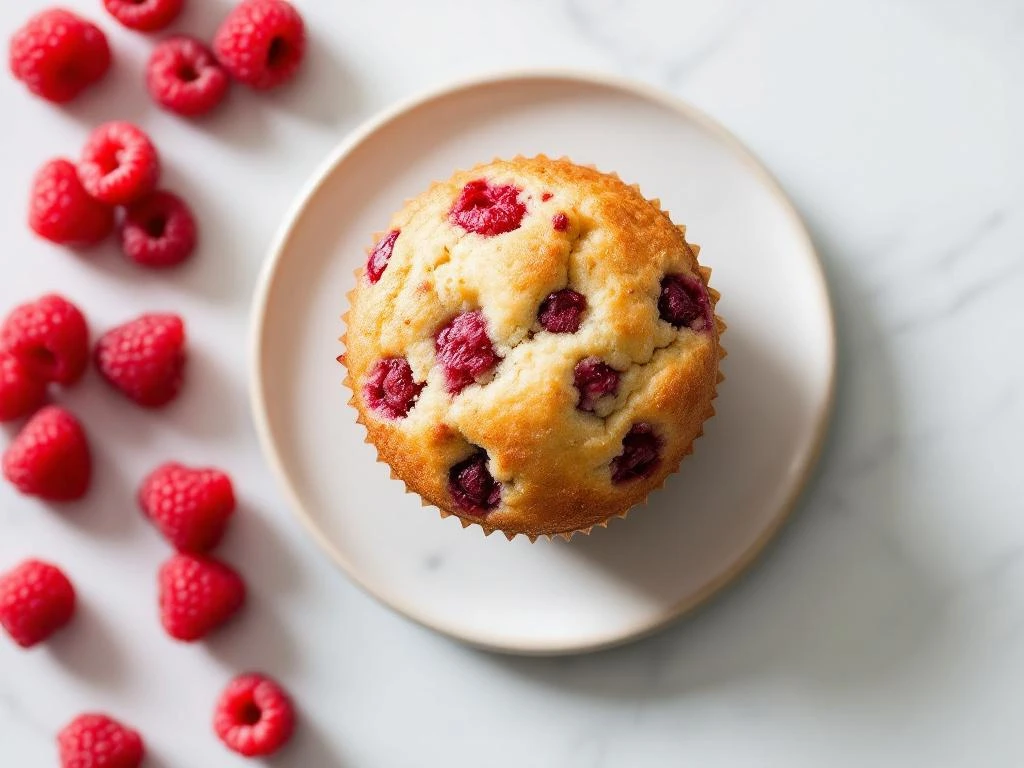
Gluten-free raspberry muffins offer a delicious solution for anyone managing IBS or following a low FODMAP diet. These homemade gluten-free muffins combine tender texture with fresh raspberry flavour while keeping your digestive system comfortable. The recipe takes about 35 minutes from start to finish, making it perfect for weekend meal prep or quick breakfast options throughout the week.
You’ll need basic baking equipment and readily available low FODMAP ingredients. The process is straightforward enough for beginner bakers, though gluten-free baking does require some attention to detail. These IBS-friendly muffins prove that dietary restrictions don’t mean sacrificing taste or enjoyment.
Why gluten-free raspberry muffins work for IBS
These FODMAP-friendly muffins address common digestive triggers while maintaining the texture and taste you expect from quality baked goods. Traditional muffins often contain wheat flour, which includes gluten and fructans that trigger IBS symptoms. Our raspberry muffins recipe uses gluten-free flour blends that are easier on sensitive digestive systems.
Raspberries work particularly well for low FODMAP baking because they contain minimal FODMAPs in reasonable portions. A serving of 10 raspberries (about 60g) stays within safe limits for most people following the diet. The berries add natural sweetness, moisture, and bright flavour without requiring high FODMAP fruits like apples or pears.
The gluten-free flour alternatives used here support gut health by avoiding inflammatory responses that wheat can trigger in sensitive individuals. Rice flour, potato starch, and tapioca flour create a blend that mimics traditional flour’s structure without the digestive discomfort. These easy raspberry muffins prove that managing IBS doesn’t require bland or boring food choices.
Gather your ingredients and tools
Success with gluten-free baking starts with having everything ready before you begin mixing. Here’s what you’ll need for a batch of 12 low FODMAP muffins.
Essential ingredients
- 200g gluten-free flour blend (look for blends containing rice flour, potato starch, and tapioca starch)
- 150g caster sugar
- 2 teaspoons baking powder (check it’s gluten-free)
- ½ teaspoon salt
- 2 large eggs
- 120ml lactose-free milk or suitable plant-based alternative
- 80ml neutral oil (such as sunflower or light olive oil)
- 1 teaspoon vanilla extract
- 120g fresh raspberries
Required baking tools
- 12-cup muffin tin
- Paper muffin cases or non-stick spray
- Two mixing bowls (one large, one medium)
- Whisk or electric mixer
- Measuring cups and spoons
- Rubber spatula for folding
- Toothpick or cake tester
- Wire cooling rack
Make sure your gluten-free flour blend includes xanthan gum or guar gum. These binding agents replace gluten’s structural role. If your blend doesn’t include them, add ½ teaspoon of xanthan gum to the dry ingredients. Check all ingredient labels to confirm they’re certified gluten-free, as cross-contamination during manufacturing can affect sensitive individuals.
Prepare your muffin batter step-by-step
Gluten-free baking requires a slightly different approach than traditional baking. Follow these steps carefully for the best texture in your homemade gluten-free muffins.
Preheat your oven to 180°C (160°C fan). Line your muffin tin with paper cases or grease each cup thoroughly. This prevents sticking, which is more common with gluten-free batters.
Combine all dry ingredients in your large mixing bowl. Add the gluten-free flour, sugar, baking powder, and salt. Whisk these together for at least 30 seconds to ensure even distribution. Gluten-free flours don’t mix as easily as wheat flour, so thorough whisking prevents pockets of baking powder that can create uneven rising.
In your medium bowl, whisk together the wet ingredients. Beat the eggs until slightly frothy, then add the lactose-free milk, oil, and vanilla extract. Mix until completely smooth. The eggs provide structure that gluten would normally offer, so beating them well helps create better texture.
Pour the wet ingredients into the dry ingredients. Stir gently with your spatula until just combined. The batter will look slightly different from traditional muffin batter, often thicker or slightly grainy. This is normal for gluten-free baking. Stop mixing as soon as you no longer see dry flour. Overmixing creates dense, gummy muffins.
Pat your raspberries dry with kitchen paper if they’re wet. Gently fold them into the batter using broad, sweeping motions with your spatula. Work carefully to avoid crushing the berries, which would create streaks and make the batter too wet. Reserve a few raspberries to press onto the tops of your muffins before baking for an attractive finish.
Divide the batter evenly among your 12 muffin cups. Fill each about two-thirds full. Use an ice cream scoop or large spoon for consistent portions. This ensures even baking across all muffins.
Bake and test for perfect doneness
Place your muffin tin in the centre of your preheated oven. Bake for 22 to 25 minutes. Gluten-free muffins often need slightly longer than traditional recipes, so don’t worry if they take the full time.
Watch for these visual cues that indicate your muffins are ready. The tops should be golden brown and spring back when lightly touched. The edges will start to pull away slightly from the muffin cases. You might see small cracks on the surface, which is perfectly normal and actually indicates good rise.
Perform the toothpick test at 22 minutes. Insert a toothpick or cake tester into the centre of a middle muffin. It should come out clean or with just a few moist crumbs attached. If you see wet batter, continue baking for another 2 to 3 minutes and test again. The centre muffin is usually the last to cook through, so if it’s done, the others will be too.
Avoid overbaking, which is easy to do with gluten-free recipes. Overbaked muffins become dry and crumbly. Set a timer and check at the minimum time. Gluten-free baked goods continue cooking slightly after you remove them from the oven due to residual heat.
If your muffin tops are browning too quickly but the centres aren’t done, loosely cover the tin with foil for the final few minutes of baking. This protects the tops while allowing the centres to finish cooking.
Store and enjoy your raspberry muffins
Remove the muffin tin from the oven and let it sit for 5 minutes before transferring the muffins to a wire rack. This brief rest helps them set and makes removal easier. Gluten-free muffins are more delicate when hot, so patience prevents them from falling apart.
Allow the muffins to cool completely on the wire rack before storing. This takes about 30 minutes. Storing warm muffins creates condensation that makes them soggy.
Storage guidelines
Keep your gluten-free raspberry muffins in an airtight container at room temperature for up to 2 days. They stay freshest when stored in a single layer with parchment paper between layers if you need to stack them. Gluten-free baked goods dry out faster than traditional recipes, so proper storage matters.
For longer storage, refrigerate the muffins for up to 5 days. Bring them to room temperature or warm them slightly before eating for the best texture and flavour. You can also freeze these muffins for up to 3 months. Wrap each muffin individually in cling film, then place them all in a freezer bag. Thaw overnight in the refrigerator or at room temperature for a few hours.
Serving suggestions
These muffins taste wonderful at room temperature or slightly warmed. To reheat, microwave for 15 to 20 seconds or warm in a 150°C oven for 5 minutes. Serve them plain for a simple breakfast or snack that stays within your FODMAP limits.
Pair your raspberry muffins with a cup of tea or lactose-free coffee for a satisfying morning treat. They also work well as a portable snack for work or travel when you need reliable FODMAP-friendly options. The individual portions make it easy to track your intake and stay within safe serving sizes.
You’ve now mastered a reliable recipe for delicious gluten-free raspberry muffins that support your digestive health. These IBS-friendly muffins prove that managing dietary restrictions doesn’t mean missing out on homemade baked goods. The straightforward process and accessible ingredients make this recipe one you can return to whenever you need a quick, safe breakfast or snack option.
Gluten-free raspberry muffins
Cooking time: 35 minutes | Portions: 12 muffins
Ingredients
- 200g gluten-free flour blend
- 150g caster sugar
- 2 teaspoons gluten-free baking powder
- ½ teaspoon salt
- 2 large eggs
- 120ml lactose-free milk
- 80ml neutral oil
- 1 teaspoon vanilla extract
- 120g fresh raspberries
Method
- Preheat oven to 180°C (160°C fan) and line a 12-cup muffin tin with paper cases
- Whisk together flour, sugar, baking powder, and salt in a large bowl
- Beat eggs in a separate bowl, then add milk, oil, and vanilla extract
- Pour wet ingredients into dry ingredients and stir until just combined
- Gently fold in raspberries, being careful not to crush them
- Divide batter evenly among muffin cups, filling each two-thirds full
- Bake for 22 to 25 minutes until golden and a toothpick comes out clean
- Cool in tin for 5 minutes, then transfer to a wire rack
- Store in an airtight container for up to 2 days or refrigerate for up to 5 days
This recipe is for informational purposes only and is not medical or dietary advice. Please consult a healthcare professional before making any changes to your diet.
Related Articles
- Quinoa and Raspberry Breakfast Bowl
- Raspberry Chia Breakfast Bowl
- Gluten-Free Pumpkin Walnut Bread
- Scrambled Eggs with Smoked Turkey
- Chia Seed Pudding with Raspberries