
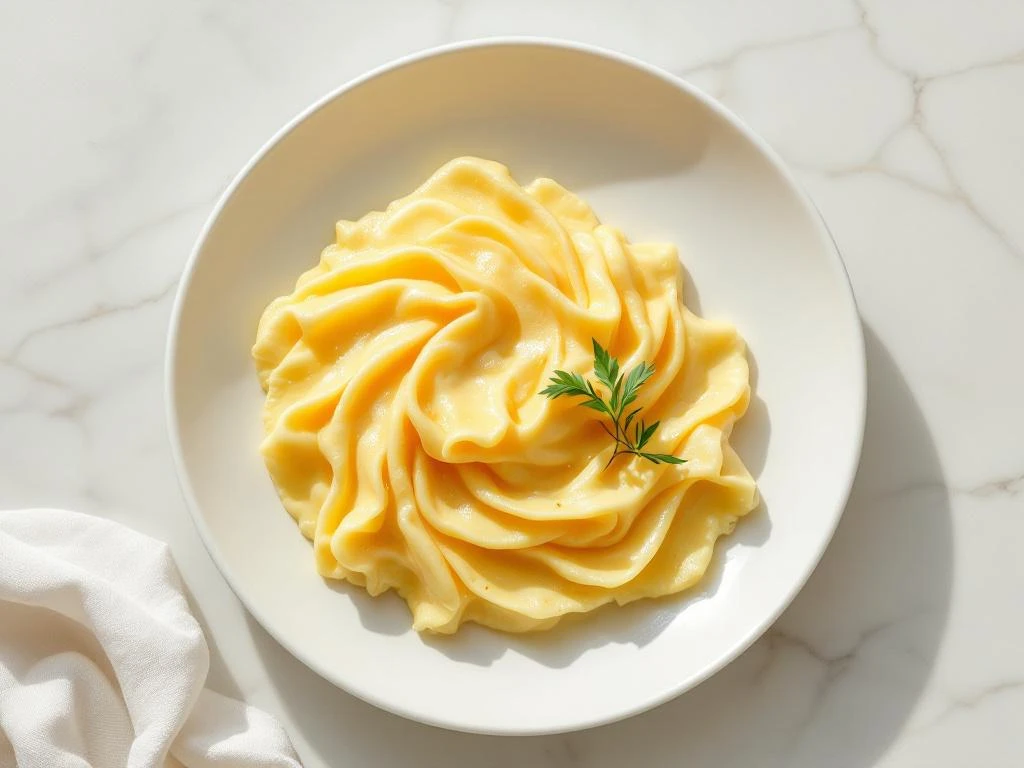
Making scrambled eggs with lactose-free cheese gives you a quick, satisfying breakfast that won’t upset your stomach. If you’re following a low FODMAP diet, this dish fits perfectly into your meal plan while delivering protein and flavour without compromise. This recipe takes about 10 minutes from start to finish and works well for beginners who are just learning to cook with digestive health in mind.
You’ll need eggs, lactose-free cheese, a non-stick pan, a whisk, and a spatula. The technique is simple but requires attention to timing and temperature. By the end, you’ll know how to create creamy, restaurant-quality scrambled eggs that support your IBS management goals.
Why scrambled eggs work perfectly for low FODMAP diets
Eggs contain no FODMAPs whatsoever. They’re pure protein and healthy fats, making them one of the safest breakfast options when you’re managing IBS symptoms. You can eat them during both the elimination phase and the reintroduction phase without worry.
Regular cheese contains lactose, which triggers symptoms in many people with digestive sensitivities. Lactose-free cheese removes this problem completely. The cheese-making process or enzyme treatment eliminates the lactose while keeping the taste and texture you want. You get the creamy richness without the digestive upset.
This combination delivers complete protein, B vitamins, vitamin D, and essential minerals like selenium. The healthy fats in eggs help your body absorb fat-soluble vitamins and keep you satisfied until your next meal. For people with IBS, getting adequate nutrition matters because digestive issues can sometimes interfere with nutrient absorption.
The dish is gentle on your stomach because it’s low in fibre and easy to digest. The soft texture means your digestive system doesn’t work hard to break it down. Many people find that starting the day with protein-rich, low FODMAP foods helps stabilize their energy and reduces mid-morning digestive discomfort.
Gather your ingredients and kitchen tools
For two servings, you’ll need these ingredients:
- 4 large eggs
- 40g lactose-free cheddar or other hard cheese, grated
- 1 tablespoon lactose-free butter or suitable oil
- Salt and pepper to taste
- Optional: 1 tablespoon lactose-free milk for extra creaminess
Check your cheese label carefully. Look for “lactose-free” clearly stated on the packaging. Some aged cheeses are naturally low in lactose, but if you’re sensitive, stick with products specifically labelled lactose-free to avoid any risk.
Essential kitchen equipment includes:
- Non-stick frying pan (20-25cm diameter works best)
- Whisk or fork for beating eggs
- Silicone or wooden spatula
- Small bowl for whisking
- Grater if your cheese isn’t pre-grated
The non-stick pan matters more than you might think. It prevents the eggs from sticking and burning, which can create bitter flavours and uneven texture. A silicone spatula glides smoothly across the pan surface without scratching, making it easier to achieve those soft, creamy curds.
Have everything ready before you start cooking. Scrambled eggs cook quickly, and you won’t have time to grate cheese or search for tools once the pan is hot.
Prepare and cook your scrambled eggs step-by-step
Crack the eggs into your bowl. Check each egg for shell fragments before adding the next one. Beat the eggs with your whisk until the yolks and whites combine completely. You’ll see a uniform yellow colour with no streaks of clear white remaining. If using lactose-free milk, add it now and whisk again for 10 seconds.
Season with a pinch of salt and a few grinds of black pepper. Salt added before cooking helps break down the egg proteins slightly, creating a more tender texture. Don’t skip this step.
Place your pan over medium-low heat. Add the butter and let it melt completely, swirling to coat the entire pan surface. The butter should foam gently but not brown. If it starts turning golden, your heat is too high. Lower it immediately.
Pour the beaten eggs into the pan. Wait 20 seconds without touching them. This allows the bottom layer to begin setting. Then, using your spatula, gently push the eggs from the edge toward the centre. Tilt the pan so the uncooked egg flows into the empty space.
Continue this pushing motion every 15-20 seconds. You’re creating soft curds, not stirring constantly. The eggs should look glossy and wet, forming large, fluffy pieces rather than small, dry bits.
When the eggs are about 70% cooked (still quite wet and glossy), sprinkle the grated lactose-free cheese over the top. The eggs will look too runny at this point. That’s correct. They’ll continue cooking from residual heat after you remove them from the stove.
Fold the cheese gently into the eggs with two or three strokes of your spatula. Remove the pan from heat immediately. The eggs should still look slightly undercooked and creamy. Let them sit in the pan for 30 seconds. They’ll finish cooking and reach the perfect consistency.
Transfer to your plate right away. Leaving them in the hot pan will overcook them and make them rubbery.
Success indicators
Your scrambled eggs are done correctly when they form soft, large curds with a glossy appearance. They should be moist but not liquid. The cheese should be melted and distributed throughout without forming clumps. The colour will be bright yellow, not pale or grey.
Customize with low FODMAP-friendly additions
Fresh herbs add flavour without FODMAPs. Chop fresh chives, parsley, or basil and sprinkle them over your eggs just before serving. Use about one tablespoon of chopped herbs per two servings. These herbs are safe in normal cooking amounts and bring freshness to the dish.
Spinach works well if you keep the portion to one cup of fresh leaves per serving. Add it to the pan 30 seconds before the eggs are done. It will wilt quickly and blend into the scrambled eggs. Spinach is low FODMAP in this quantity and adds iron and vitamins.
Cherry tomatoes are safe at 3-4 tomatoes per person. Halve them and add them to the pan with the eggs. They’ll soften slightly and release a bit of juice, creating pockets of tangy flavour. Make sure you’re using ripe tomatoes, as unripe ones can be harder to digest.
Cooked bacon or ham provides extra protein and a savoury element. Check that any processed meats don’t contain onion or garlic powder in the ingredients list. Cook the meat separately, chop it, and stir it into your eggs during the last minute of cooking.
Spring onion tops (the green part only) add mild onion flavour without the FODMAPs found in the white bulb. Slice thinly and use up to two tablespoons per serving. The green tops are safe, but avoid the white parts entirely.
A dash of smoked paprika or a pinch of turmeric adds colour and subtle flavour. These spices are low FODMAP and gentle on digestion. Start with just a small pinch and adjust to your taste preference.
Avoid these common scrambled egg mistakes
Cooking over high heat is the most frequent error. High heat causes eggs to cook too quickly, creating tough, rubbery texture with brown spots. The proteins seize up and release water, leaving you with dry, unappetizing eggs. Always use medium-low heat and be patient. The extra two minutes of cooking time makes an enormous difference in quality.
Overcooking happens when you wait until the eggs look completely done in the pan. Eggs continue cooking after you remove them from heat. Take them off the stove when they still look slightly wet and undercooked. They’ll reach perfect doneness on the plate. If your eggs look fully cooked in the pan, they’ll be overcooked by the time you eat them.
Adding cheese too early causes it to break and become oily or stringy. The high heat separates the fat from the protein in the cheese, creating an unpleasant texture. Wait until the very end of cooking, when the eggs are almost done, then fold the cheese in gently. The residual heat will melt it perfectly without breaking the cheese structure.
Constant stirring creates small, broken curds instead of soft, fluffy pieces. Your eggs end up looking like tiny pebbles rather than creamy clouds. Use a gentle pushing motion from the edges toward the centre, then leave the eggs alone for 15-20 seconds between movements. This technique creates those large, restaurant-style curds.
Using regular cheese instead of lactose-free cheese defeats the purpose if you’re managing IBS. Even small amounts of lactose can trigger symptoms in sensitive individuals. The difference in taste between regular and lactose-free cheese is minimal, but the difference in how you feel afterwards can be significant. Don’t take the risk.
Skipping the butter or oil leads to sticking and uneven cooking. Fat creates a barrier between the eggs and the pan, allowing them to cook gently and evenly. It also adds flavour and helps achieve that creamy texture. Use lactose-free butter or a neutral oil like light olive oil.
Fixing texture problems
If your eggs turn out too dry, you cooked them too long or at too high a temperature. Next time, remove them from heat earlier and reduce your stove setting. You can’t fix overcooked eggs, but you can learn from the mistake.
Watery eggs mean you didn’t cook them long enough or you added too much milk. The eggs need time to set and form curds. If you added milk, reduce the amount next time to no more than one tablespoon per four eggs.
Rubbery texture comes from high heat or overcooking. Lower your temperature and watch the eggs carefully. They should never sizzle loudly in the pan. You want a gentle, quiet cooking process.
These scrambled eggs with lactose-free cheese give you a reliable breakfast option that tastes good and supports your digestive health. The technique takes practice, but after making this recipe three or four times, you’ll develop a feel for the right timing and heat level. Keep experimenting with the low FODMAP additions until you find your favourite combinations. This simple dish can become a foundation for varied, satisfying breakfasts that work with your dietary needs rather than against them.
Scrambled eggs with lactose-free cheese
Cooking time: 10 minutes | Portions: 2 servings
Ingredients:
- 4 large eggs
- 40g lactose-free cheddar cheese, grated
- 1 tablespoon lactose-free butter
- Salt and pepper to taste
- Optional: 1 tablespoon lactose-free milk
Method:
- Beat eggs in a bowl until fully combined, add optional milk and season with salt and pepper
- Melt butter in a non-stick pan over medium-low heat until foaming but not brown
- Pour eggs into pan and wait 20 seconds
- Gently push eggs from edges toward centre every 15-20 seconds, creating large soft curds
- When eggs are 70% cooked and still glossy, sprinkle grated cheese over the top
- Fold cheese in gently, remove from heat immediately
- Let sit in pan for 30 seconds, then transfer to plate and serve
Tips:
- Remove eggs from heat when they still look slightly undercooked
- Use medium-low heat throughout for creamy texture
- Add cheese at the very end to prevent it from breaking
- Customize with low FODMAP herbs, spinach, or spring onion tops
This recipe is for informational purposes only and is not medical or dietary advice. Please consult a healthcare professional before making any changes to your diet.