
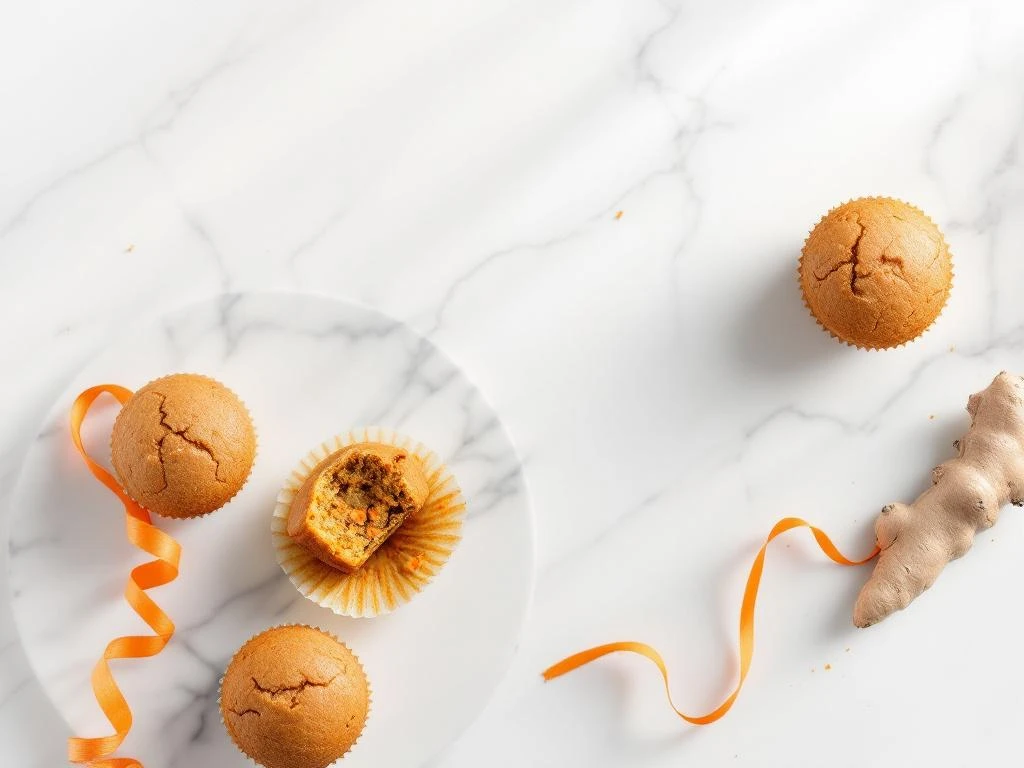
These carrot ginger muffins deliver a perfect combination of natural sweetness, warming spice, and digestive comfort. They’re specifically designed for anyone following a low FODMAP diet who wants healthy breakfast muffins without triggering IBS symptoms. The recipe uses gluten free ingredients and stays within FODMAP serving limits, making these IBS friendly muffins safe for sensitive stomachs.
This recipe suits beginners with basic baking experience. You’ll need about 15 minutes for preparation and 25 minutes for baking. The entire process takes roughly 45 minutes from start to finish, including cooling time.
You’ll need standard baking equipment including a muffin tin, mixing bowls, a grater, measuring cups, and an oven. A box grater or food processor makes grating carrots easier. Paper muffin cases help with removal and storage.
Why carrot and ginger make perfect breakfast muffins
Carrots bring natural sweetness to baked goods without requiring high FODMAP ingredients like honey or apple sauce. They contain beta-carotene and fibre that support overall digestive health. The moisture from grated carrots keeps gluten free breakfast muffins tender without becoming dry or crumbly.
Ginger offers gentle warming flavour whilst supporting gut comfort. Fresh ginger contains compounds that may help calm digestive discomfort, making it particularly suitable for IBS friendly muffins. The amount used in this carrot muffins recipe stays well within low FODMAP limits whilst delivering noticeable flavour.
Both ingredients work exceptionally well in low FODMAP baking because they provide flavour and texture without relying on ingredients that trigger symptoms. The natural sugars in carrots caramelise slightly during baking, creating depth of flavour that makes these digestive friendly muffins taste indulgent rather than restrictive.
Gather your low FODMAP baking ingredients
You’ll need 200g gluten free flour blend that contains rice flour, potato starch, and tapioca starch. Avoid blends with chickpea or soy flour as these can be high FODMAP in larger amounts. Most supermarkets stock suitable gluten free flour in their free-from sections.
For sweetness, use 75g white sugar or maple syrup. Both options are low FODMAP in the amounts used here. You’ll also need 2 medium carrots (approximately 150g when grated), which stays within the recommended FODMAP serving size.
Add 2 teaspoons fresh grated ginger, 2 large eggs, 80ml lactose-free milk, and 80ml light olive oil or melted lactose-free butter. The raising agents include 2 teaspoons baking powder and ½ teaspoon bicarbonate of soda.
For spicing, gather 1 teaspoon ground cinnamon and ¼ teaspoon salt. You can find lactose-free milk and butter in most supermarkets alongside regular dairy products. Specialty health food shops often carry a wider range of gluten free flour blends if your local supermarket has limited options.
Prepare carrots and mix your dry ingredients
Peel your carrots and grate them using the medium holes on a box grater. You want pieces small enough to distribute evenly but not so fine that they turn mushy. Grated carrot should look like short, thin strips rather than a paste. Set the grated carrot aside on a plate.
In a large mixing bowl, combine your gluten free flour blend, baking powder, bicarbonate of soda, cinnamon, and salt. Whisk these dry ingredients together thoroughly for at least 30 seconds. This step is crucial for gluten free baking because it ensures the raising agents distribute evenly throughout the flour.
Peel and grate your fresh ginger using a fine grater or the smallest holes on your box grater. Add the grated ginger to your dry ingredients and whisk again. Proper mixing prevents clumps of raising agent that can create an uneven rise or bitter spots in your finished muffins.
Success check: Your dry mixture should look uniform in colour with no visible pockets of white baking powder. The ginger should be distributed throughout rather than sitting in clumps.
Combine wet ingredients and fold the batter
In a separate medium bowl, whisk together your eggs, lactose-free milk, oil (or melted butter), and sugar. Whisk vigorously for about one minute until the mixture looks slightly frothy and the sugar begins to dissolve. The eggs should be fully incorporated with no streaks of yolk visible.
Pour the wet ingredients into your bowl of dry ingredients. Use a spatula or large spoon to fold the mixture together with gentle, sweeping motions. Scrape from the bottom of the bowl and fold over the top. Stop mixing as soon as you no longer see dry flour. The batter should look slightly lumpy rather than perfectly smooth.
Add your grated carrots to the batter. Fold them in with the same gentle technique, using about 10 to 12 strokes. The carrots should distribute fairly evenly throughout, though perfect distribution isn’t necessary. Some variation actually creates nice texture in the finished muffins.
Warning: Overmixing gluten free batter creates dense, gummy muffins. The mixture should look rough and barely combined. Resist the urge to stir until smooth. A few small lumps of flour are fine and will hydrate during baking.
Bake and test for perfect muffin doneness
Preheat your oven to 180°C (160°C fan). Line a 12-cup muffin tin with paper cases or grease the cups thoroughly with oil or lactose-free butter. Paper cases make removal easier and help the muffins stay fresh longer.
Divide the batter evenly among the 12 muffin cups. Each should be about two-thirds full. An ice cream scoop works brilliantly for this, giving you consistent sizes that bake evenly. Don’t fill the cups more than two-thirds as these easy breakfast muffins will rise during baking.
Bake for 22 to 25 minutes. The muffins are done when the tops spring back lightly when touched and a toothpick inserted into the centre comes out clean or with just a few moist crumbs. The tops should be golden brown with slight cracks, which is normal for muffins.
If your toothpick comes out with wet batter, bake for another 3 minutes and test again. Oven temperatures vary, so use visual cues alongside timing. The edges should pull away slightly from the muffin tin.
Let the muffins cool in the tin for 5 minutes, then transfer them to a wire rack. This prevents soggy bottoms whilst allowing the structure to set properly. Gluten free baked goods are more fragile when hot, so handle them gently during this stage.
Store and enjoy your IBS-friendly muffins
These carrot ginger muffins stay fresh at room temperature for 2 days when stored in an airtight container. Layer them with baking paper between rows to prevent sticking. Room temperature storage works well if you plan to eat them quickly.
For longer storage, refrigerate the muffins for up to 5 days. Bring them to room temperature before eating, or warm them in the microwave for 15 to 20 seconds. The slight chill from refrigeration can make them taste less sweet, so warming improves the flavour.
These healthy breakfast muffins freeze beautifully for up to 3 months. Wrap individual muffins in cling film, then place them in a freezer bag. Thaw overnight in the refrigerator or microwave from frozen for 30 to 40 seconds.
Serve these digestive friendly muffins with lactose-free yoghurt or a small handful of low FODMAP nuts for a complete breakfast. They also work well as mid-morning snacks or packed lunch additions. One muffin provides a safe low FODMAP serving size that shouldn’t trigger symptoms when eaten as part of a balanced meal.
The warming ginger flavour tastes particularly good in cooler weather. Try serving them slightly warm with a cup of peppermint tea for a comforting breakfast that supports digestive wellness.
You’ve now created a batch of delicious low FODMAP breakfast muffins that prove restricted eating doesn’t mean boring food. The combination of naturally sweet carrots and warming ginger creates satisfying flavour whilst staying gentle on sensitive digestive systems. These muffins give you a reliable breakfast option that you can prepare ahead and enjoy throughout the week.
The techniques you’ve learned here apply to other gluten free and low FODMAP baking projects. Proper folding, careful measuring, and understanding doneness indicators will help you adapt other recipes to suit your dietary needs. Keep experimenting with different low FODMAP spices and additions to make these muffins your own.
Carrot and ginger breakfast muffins
Cooking Time: 25 minutes | Portions: 12 muffins
Dry ingredients:
- 200g gluten free flour blend
- 2 teaspoons baking powder
- ½ teaspoon bicarbonate of soda
- 1 teaspoon ground cinnamon
- ¼ teaspoon salt
- 2 teaspoons fresh grated ginger
Wet ingredients:
- 2 large eggs
- 75g white sugar or maple syrup
- 80ml lactose-free milk
- 80ml light olive oil or melted lactose-free butter
- 150g grated carrots (about 2 medium carrots)
Method:
- Preheat oven to 180°C (160°C fan) and line a 12-cup muffin tin with paper cases
- Whisk together all dry ingredients including grated ginger in a large bowl
- In a separate bowl, whisk eggs, sugar, milk, and oil until frothy
- Pour wet ingredients into dry ingredients and fold gently until just combined
- Fold in grated carrots with 10 to 12 gentle strokes
- Divide batter evenly among muffin cups (two-thirds full)
- Bake for 22 to 25 minutes until golden and a toothpick comes out clean
- Cool in tin for 5 minutes, then transfer to a wire rack
This recipe is for informational purposes only and is not medical or dietary advice. Please consult a healthcare professional before making any changes to your diet.