
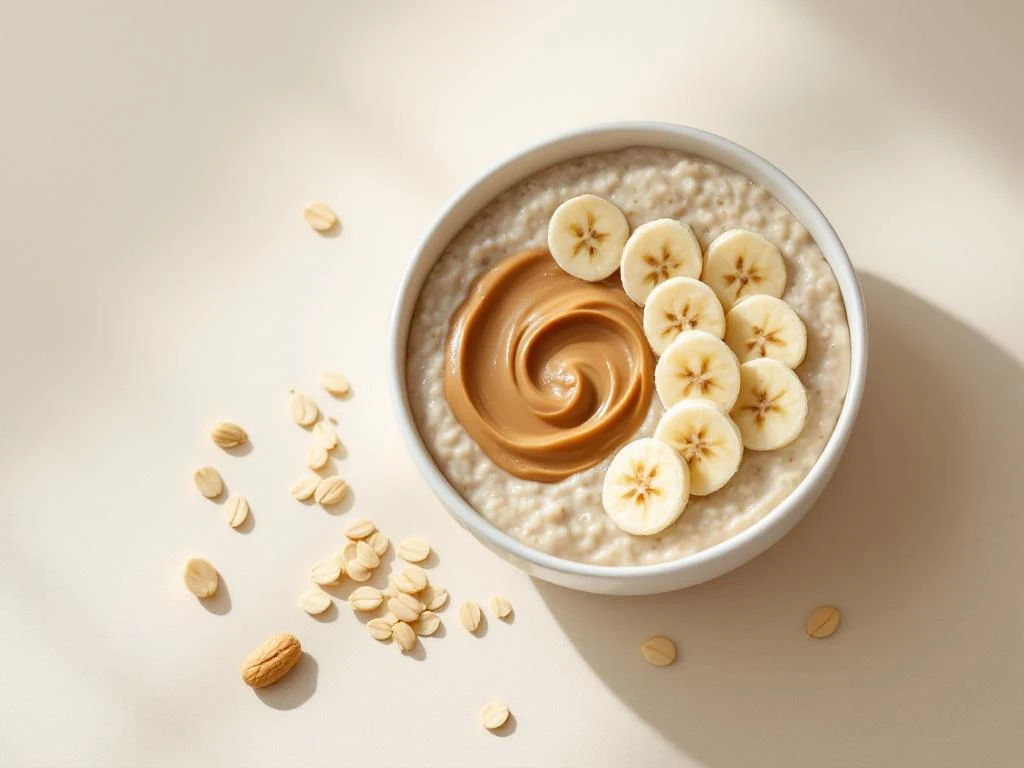
Peanut butter banana oatmeal is a filling, gut-friendly breakfast that works beautifully for anyone managing IBS symptoms. This easy oatmeal recipe combines naturally low FODMAP ingredients to create a satisfying meal that won’t trigger digestive discomfort. You’ll learn how to prepare creamy, delicious oatmeal with the right portions of banana and peanut butter to keep your breakfast both safe and enjoyable.
This recipe takes about 10 minutes from start to finish, making it perfect for busy mornings. You’ll need basic kitchen equipment (a pot or microwave-safe bowl, measuring cups, and a spoon), gluten-free rolled oats, natural peanut butter, and a small banana. The instructions work whether you prefer stovetop or microwave cooking.
By following these steps, you’ll have a warm, nourishing breakfast that supports your digestive health while satisfying your morning hunger. We’ll also show you how to customize your bowl with FODMAP-safe toppings and prepare portions for the week ahead.
Why peanut butter banana oatmeal works for IBS
This breakfast combination supports digestive health because each ingredient stays within low FODMAP serving sizes. Gluten-free oats provide soluble fibre that many people with IBS tolerate well, helping to regulate digestion without causing bloating or discomfort.
Peanut butter adds protein and healthy fats that slow digestion and keep you satisfied longer. Natural peanut butter (without added sugars or oils) remains low FODMAP in portions up to 2 tablespoons. The protein content helps stabilize blood sugar and provides lasting energy through your morning.
Bananas offer natural sweetness and essential nutrients like potassium. A firm, unripe banana (about 100g or one-third of a large banana) stays within low FODMAP limits. Unripe bananas contain less fructose than fully ripe ones, making them gentler on sensitive digestive systems.
The combination creates a balanced meal with carbohydrates, protein, and fat. This macronutrient balance helps prevent blood sugar spikes and keeps your energy steady. The warm, creamy texture is also soothing for the digestive tract, making it an ideal choice for starting your day without triggering IBS symptoms.
Gather your low FODMAP ingredients
For one serving of this IBS-friendly oatmeal, you’ll need the following ingredients. These measurements keep everything within safe FODMAP limits while delivering great taste and nutrition.
Essential ingredients:
- 50g gluten-free rolled oats (certified gluten-free if you have coeliac disease)
- 250ml water or lactose-free milk
- 1 tablespoon natural peanut butter (15g)
- One-third of a large banana, sliced (about 100g, choose a firm banana)
- Pinch of salt
Optional additions (all low FODMAP in these portions):
- 1 teaspoon maple syrup or brown sugar for extra sweetness
- 1/4 teaspoon cinnamon for warmth
- 1 tablespoon pumpkin seeds for crunch (15g)
- Small handful of blueberries (28g or about 20 berries)
Ingredient substitutions work well if needed. Swap almond butter for peanut butter using the same 1 tablespoon portion. Replace water with any lactose-free milk alternative such as almond milk, rice milk, or oat milk. If you prefer sweeter oatmeal, add a low FODMAP sweetener like maple syrup or a small amount of brown sugar rather than honey, which contains high FODMAP fructose.
Check your oat package to confirm they’re certified gluten-free. Regular oats often contain gluten from cross-contamination during processing. Choose natural peanut butter with just peanuts and salt listed in the ingredients, avoiding varieties with added sugars or oils that might affect your digestion.
Measuring banana portions accurately
Banana serving size matters for staying low FODMAP. Use a kitchen scale to measure 100g of banana, which equals roughly one-third of a large banana or half of a small one. Weigh the banana after peeling to get an accurate measurement. The firmer and less ripe the banana, the better it works for sensitive stomachs.
Cook perfect creamy oatmeal every time
Start by measuring your oats and liquid. The standard ratio is 1 part oats to 5 parts liquid for creamy oatmeal. For 50g of oats, use 250ml of water or lactose-free milk. This ratio creates a smooth, porridge-like consistency that’s neither too thick nor too watery.
Stovetop method:
- Pour the liquid into a small pot and add a pinch of salt
- Bring to a gentle boil over medium heat
- Add the oats and reduce heat to low
- Stir occasionally for 5 to 7 minutes until the oats absorb the liquid and become creamy
- Remove from heat and let sit for 1 minute to thicken slightly
The oatmeal is ready when it reaches a thick, spoonable consistency. If it looks too thick, add a splash more liquid and stir. If it’s too thin, cook for another minute or two.
Microwave method:
- Combine oats, liquid, and salt in a large microwave-safe bowl (use a big bowl to prevent overflow)
- Microwave on high for 2 minutes
- Stir well and microwave for another 1 to 2 minutes
- Watch carefully to prevent boiling over
- Let stand for 1 minute before serving
After cooking, stir in your peanut butter while the oatmeal is still hot. The warmth melts the peanut butter, creating a creamy, evenly distributed flavour throughout the bowl. Add your sliced banana on top just before eating to keep it fresh and prevent it from becoming mushy.
Texture troubleshooting
If your oatmeal turns out gluey or sticky, you’ve likely overcooked it or used too little liquid. Add warm water or milk a tablespoon at a time and stir gently to loosen the texture. For oatmeal that’s too runny, simply cook it a bit longer until it thickens to your preferred consistency.
Customize your oatmeal with FODMAP-safe toppings
Adding variety to your peanut butter banana oatmeal keeps breakfast interesting while maintaining digestive comfort. These topping ideas all stay within low FODMAP portion limits and add different textures and flavours to your bowl.
Crunchy additions:
- 1 tablespoon pumpkin seeds (pepitas)
- 1 tablespoon sunflower seeds
- 10g walnuts (about 5 walnut halves)
- 1 tablespoon shredded coconut (unsweetened)
Fruit options (measure carefully):
- 28g blueberries (about 20 berries)
- 65g strawberries, sliced (about 5 medium berries)
- 1 kiwi fruit, peeled and sliced
- 2 tablespoons raspberries
Flavour enhancers:
- Cinnamon (any amount, adds warmth without FODMAPs)
- Vanilla extract (1/4 teaspoon)
- Cocoa powder (2 teaspoons for a chocolate version)
- Maple syrup (1 teaspoon for extra sweetness)
Mix and match these toppings based on what you have available and what sounds good. A sprinkle of cinnamon with sliced strawberries creates a fresh, bright flavour. Cocoa powder with extra peanut butter makes a chocolate peanut butter version that tastes indulgent while remaining gut-friendly.
Meal prep for busy mornings
Prepare several portions of dry oat mixture in advance to save time during the week. Measure 50g portions of oats into small containers or bags. When you’re ready to eat, just add liquid and cook as usual. This takes the measuring step out of your morning routine.
You can also cook a larger batch of plain oatmeal and refrigerate portions for up to 4 days. Reheat individual servings in the microwave with a splash of extra liquid to restore the creamy texture. Add your peanut butter, banana, and toppings fresh each morning for the best taste and texture.
Prepare topping containers with pre-measured portions of seeds, nuts, or berries. This makes it easy to grab what you need without measuring every morning. Store these in small containers or bags in your pantry or fridge, depending on the ingredient.
This quick breakfast recipe fits easily into any morning routine, whether you have 5 minutes or 15. The flexible cooking methods and simple ingredient list make it reliable for those days when digestive comfort matters most. You now have a go-to healthy breakfast oatmeal that supports your IBS management while tasting delicious.
The beauty of this FODMAP-friendly breakfast is its adaptability. Once you master the basic recipe, you can create different variations throughout the week without worrying about triggering symptoms. Keep your portions accurate, choose quality ingredients, and enjoy a satisfying start to your day.
Peanut butter banana oatmeal
Cooking Time: 10 minutes | Portions: 1 serving
Ingredients:
- 50g gluten-free rolled oats
- 250ml water or lactose-free milk
- 1 tablespoon natural peanut butter
- 100g firm banana, sliced (one-third of a large banana)
- Pinch of salt
- Optional: cinnamon, maple syrup, seeds, or low FODMAP fruit
Instructions:
- Combine liquid and salt in a pot, bring to a boil
- Add oats, reduce heat, and simmer for 5 to 7 minutes, stirring occasionally
- Remove from heat and stir in peanut butter until melted and combined
- Top with sliced banana and any additional FODMAP-safe toppings
- Serve immediately while warm
Tips:
- Use firm, unripe bananas for lower fructose content
- Measure banana portions accurately to stay within low FODMAP limits
- Choose certified gluten-free oats if you have coeliac disease
- Adjust liquid amounts for your preferred oatmeal consistency
- Meal prep dry oat portions for quicker weekday mornings
This recipe is for informational purposes only and is not medical or dietary advice. Please consult a healthcare professional before making any changes to your diet.