
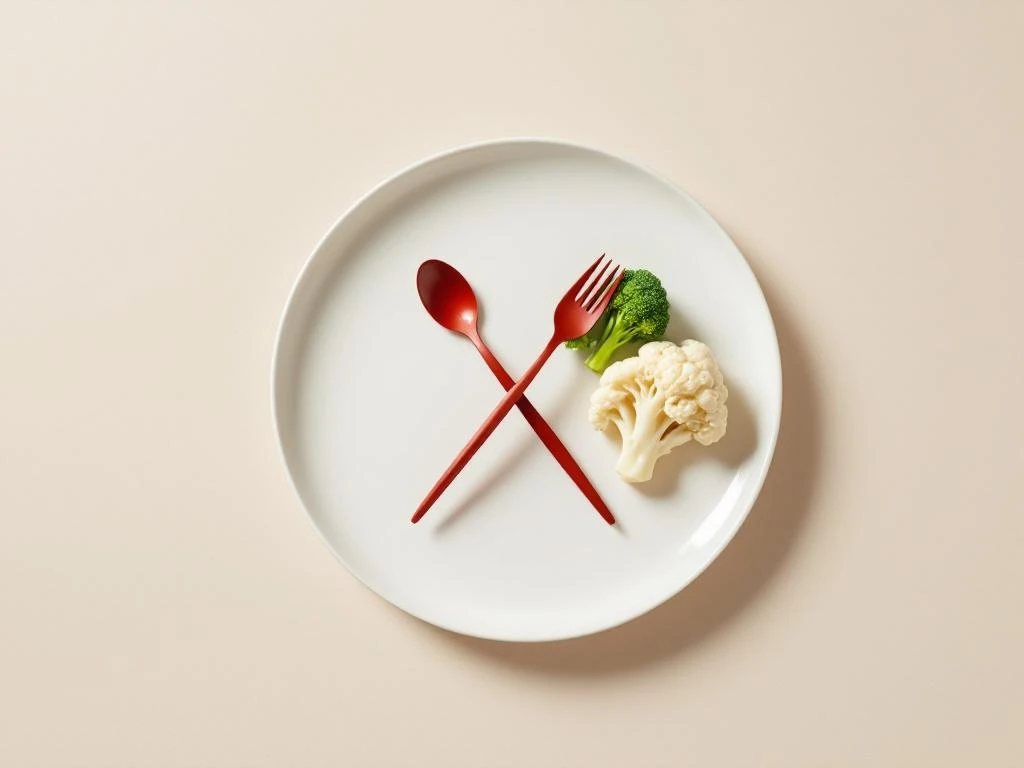
If you have IBS, you should avoid high FODMAP vegetables such as onions, garlic, cauliflower, mushrooms, and asparagus. These vegetables contain fermentable carbohydrates that trigger bloating, gas, and abdominal pain in sensitive digestive systems. However, tolerance varies individually, and many people can reintroduce some vegetables in small amounts after completing an elimination phase. Understanding which vegetables cause problems helps you build a varied, symptom-free diet.
What makes certain vegetables problematic for IBS?
Certain vegetables are problematic for IBS because they contain FODMAPs (fermentable oligosaccharides, disaccharides, monosaccharides, and polyols). These short-chain carbohydrates resist digestion in the small intestine and travel to the colon, where gut bacteria ferment them. This fermentation process produces gas, draws water into the bowel, and causes the uncomfortable symptoms many people with IBS experience.
When FODMAPs reach your colon, bacteria break them down rapidly. This creates excessive gas production, leading to bloating and distension. The osmotic effect of FODMAPs also pulls water into your intestines, which can trigger diarrhoea in some people whilst contributing to cramping and discomfort in others. The combination of gas and fluid accumulation stretches the intestinal walls, causing pain that ranges from mild discomfort to severe cramping.
Different vegetables contain different types of FODMAPs, which explains why your gut might react differently to various foods. Understanding what FODMAPs are and how they work provides the foundation for managing your symptoms effectively. The sensitivity to these compounds varies greatly between individuals, making personalized dietary management essential for IBS relief.
Which vegetables should you avoid if you have IBS?
High FODMAP vegetables that commonly trigger IBS symptoms include onions, garlic, cauliflower, mushrooms, asparagus, artichokes, leeks, and sugar snap peas. These vegetables contain various types of FODMAPs that ferment quickly in the gut. Avoiding them during the elimination phase helps identify which specific FODMAPs cause your symptoms.
Fructans are found in onions, garlic, leeks, and asparagus. These oligosaccharides are particularly troublesome because they’re used frequently in cooking as flavour bases. Even small amounts can trigger symptoms in sensitive individuals, making them some of the most important vegetables to eliminate initially.
Cauliflower, mushrooms, and sugar snap peas contain mannitol, a polyol that acts as a natural sugar alcohol. Brussels sprouts and cabbage are high in both fructans and another type of oligosaccharide called galacto-oligosaccharides (GOS). Artichokes contain multiple FODMAP types, making them particularly problematic for many people with IBS.
Beetroot contains both fructans and GOS, whilst sweetcorn is high in sorbitol (another polyol). Even vegetables you might consider healthy, like snow peas and celery in large amounts, can cause issues due to their mannitol content. The key is recognizing that these vegetables aren’t inherently bad, they simply contain compounds your digestive system struggles to process efficiently.
What vegetables are safe to eat with IBS?
Low FODMAP vegetables that are generally well-tolerated include carrots, courgettes, bell peppers, green beans, spinach, tomatoes, cucumbers, aubergines, and lettuce. These vegetables contain minimal FODMAPs and provide essential nutrients whilst keeping your digestive system comfortable. They form the foundation of a varied, enjoyable low FODMAP diet.
Carrots and courgettes are particularly versatile, working well in numerous dishes without triggering symptoms. Bell peppers add colour and flavour to meals, whilst green beans provide satisfying texture. Leafy greens like spinach, rocket, and various lettuces offer nutrients without the fermentable carbohydrates that cause problems.
Tomatoes, cucumbers, and aubergines expand your options further, allowing you to create diverse meals. Potatoes, both white and sweet varieties, are excellent staples that provide energy without digestive distress. Bok choy, Swiss chard, and kale (in moderate portions) add variety to your vegetable intake.
However, portion sizes matter even with low FODMAP vegetables. Eating very large quantities can overwhelm your digestive system and trigger symptoms. We recommend following tested serving sizes, typically around 75 grams for most vegetables during the elimination phase. This approach ensures you’re getting nutritional benefits whilst minimizing the risk of FODMAP stacking, where small amounts of FODMAPs from multiple foods accumulate to problematic levels.
How can you reintroduce vegetables after following a low FODMAP diet?
Reintroduce vegetables systematically by testing one FODMAP group at a time over three days, starting with small portions and gradually increasing amounts. Keep a detailed food diary noting symptoms, timing, and severity. This structured approach helps you identify your personal tolerance levels and determine which vegetables you can enjoy without triggering symptoms.
Begin with a single vegetable containing only one FODMAP type. For example, test asparagus (fructans) by eating a small portion on day one, a medium portion on day two, and a larger portion on day three. If symptoms appear, stop immediately and allow your system to settle before testing another vegetable. If you tolerate all three days well, that FODMAP group may be safe for you in moderate amounts.
Wait at least three days between testing different FODMAP groups. This gap allows any delayed reactions to become apparent and your digestive system to return to baseline. Test vegetables containing polyols separately from those with fructans or GOS. Your tolerance for different FODMAP types will likely vary, so individual testing is essential.
Record everything in your food diary: what you ate, how much, when symptoms appeared, and their severity. Note that tolerance often depends on portion size. You might tolerate a small amount of mushrooms but react to a larger serving. Many people discover they can enjoy previously problematic vegetables occasionally or in limited quantities, significantly expanding their dietary variety whilst maintaining symptom control.
Understanding your personal FODMAP tolerance transforms the low FODMAP diet from a restrictive elimination plan into a flexible, personalized eating approach. Most people don’t need to avoid all high FODMAP vegetables permanently. Through careful reintroduction, you’ll discover which vegetables work for your unique digestive system, allowing you to build a varied, nutritious diet that keeps you comfortable and satisfied.