
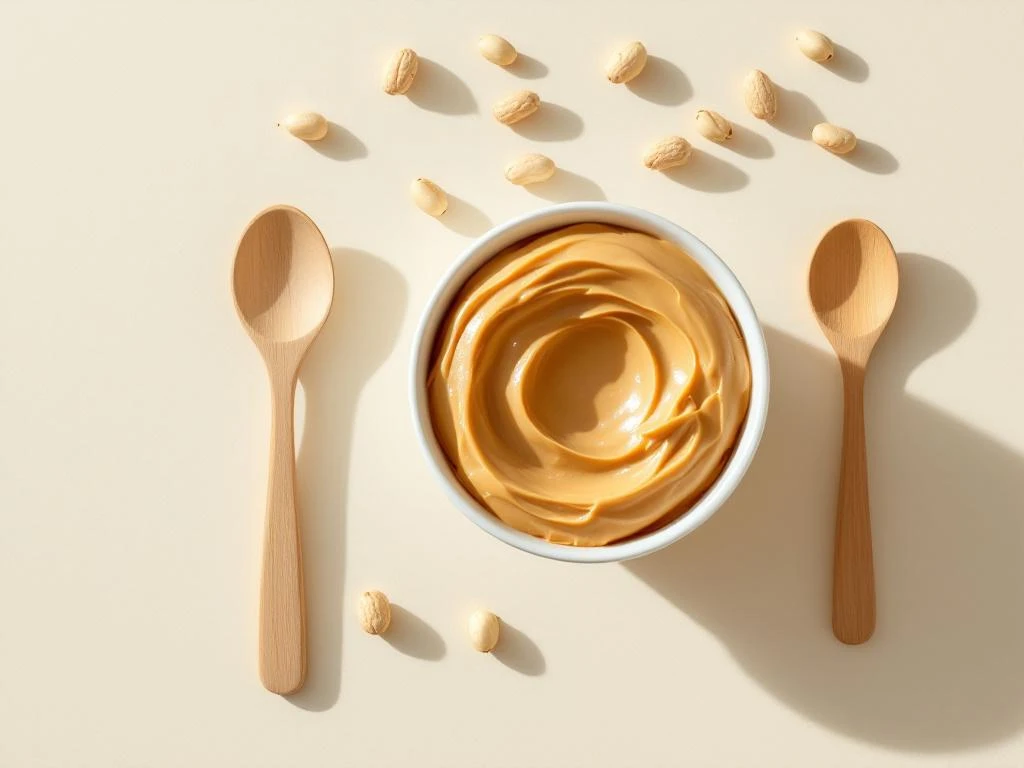
Yes, you can eat peanut butter on a low FODMAP diet. Natural peanut butter is considered low FODMAP in controlled portions, typically up to 2 tablespoons (32g) per serving. This makes it a safe and nutritious option for most people managing IBS symptoms. The key is choosing the right type and sticking to recommended portion sizes to avoid potential digestive discomfort.
Can you eat peanut butter on a low FODMAP diet?
Natural peanut butter is low FODMAP friendly when consumed in portions of 2 tablespoons (32g) or less per serving. This serving size has been tested and approved by Monash University, the leading authority on FODMAP research. The reason peanut butter works well for many IBS sufferers is that peanuts themselves are naturally low in fermentable carbohydrates.
Portion control matters because even low FODMAP foods can trigger symptoms when eaten in excessive amounts. When you exceed the recommended serving size, you risk consuming enough FODMAPs to cause digestive issues. This is particularly important if you’re eating peanut butter alongside other foods that contain small amounts of FODMAPs, as they can add up throughout the day.
Peanut butter provides valuable nutrition during the elimination phase of the low FODMAP diet. It offers protein, healthy fats, and essential nutrients that help you feel satisfied whilst following dietary restrictions. If you’re new to understanding which foods contain FODMAPs and why they affect digestion, our complete guide to FODMAPs explains the science behind these fermentable carbohydrates and how they impact gut health.
How much peanut butter can you eat on the FODMAP diet?
The safe serving size for peanut butter on a low FODMAP diet is 2 tablespoons or 32 grams per sitting. This amount receives a green light rating from Monash University testing, meaning it contains minimal FODMAPs and should be well tolerated by most people with IBS. Exceeding this portion may push you into amber or red territory, where FODMAP levels become problematic.
Measuring your portions accurately is essential for success on the low FODMAP diet. Use proper measuring spoons rather than estimating, as it’s easy to accidentally serve yourself 3 or 4 tablespoons when you think you’re having 2. A kitchen scale provides even more precision if you prefer weighing your food to 32 grams exactly.
FODMAP stacking becomes a concern when you eat multiple low FODMAP foods in one meal or throughout the day. Even though each food individually contains safe amounts of FODMAPs, the cumulative effect can trigger symptoms. If you’re having peanut butter with your breakfast, be mindful of other FODMAP-containing foods you consume during that meal and in the hours following.
During the reintroduction phase, you might test your personal tolerance by gradually increasing portion sizes. Some people find they can tolerate slightly more than 2 tablespoons without issues, whilst others need to stay conservative with their portions. Your individual tolerance is what matters most.
What type of peanut butter is best for a low FODMAP diet?
The best peanut butter for a low FODMAP diet is 100% natural peanut butter containing only peanuts, or peanuts and salt. These simple varieties avoid problematic additives and sweeteners that can introduce high FODMAP ingredients into an otherwise safe food. Natural peanut butter typically has oil separation on top, which is a good sign that it contains minimal processing.
Processed peanut butter varieties often contain high FODMAP ingredients that can trigger symptoms. High fructose corn syrup is a common sweetener in mainstream brands and contains excess fructose, which is a FODMAP. Honey, another frequent addition, is also high FODMAP and should be avoided during the elimination phase. Some brands add inulin as a fibre supplement, but this is a high FODMAP ingredient derived from chicory root.
Reading labels becomes crucial when shopping for peanut butter. Look for ingredient lists with just one or two items: peanuts and possibly salt. Avoid products listing sugar, molasses, palm oil, or any ingredients you don’t recognize. Even “natural” marketing claims don’t guarantee FODMAP safety, so always check the actual ingredient list.
Texture preference is entirely up to you. Both smooth and crunchy natural peanut butter are low FODMAP in the recommended portions. The small pieces of peanut in crunchy varieties don’t affect FODMAP content. Choose whichever texture you enjoy most and will actually use regularly in your meals and snacks.
What are the best alternatives to peanut butter for FODMAP followers?
Several nut and seed butters work as low FODMAP alternatives to peanut butter, giving you variety whilst managing IBS symptoms. Macadamia butter is low FODMAP up to 2 tablespoons and offers a rich, creamy texture with a mild flavour. Tahini (sesame seed butter) is safe up to 2 tablespoons and provides a distinctive taste that works beautifully in both sweet and savoury applications.
Almond butter requires more caution as portion sizes are smaller. You can safely consume 1 tablespoon (20g) of almond butter per serving, which is half the amount allowed for peanut butter. Whilst this smaller portion still provides nutritional benefits, it may not feel as satisfying if you’re used to larger servings. Always measure almond butter carefully to avoid accidentally exceeding the safe amount.
Substituting different nut and seed butters throughout the week helps prevent flavour fatigue on the low FODMAP diet. You might use peanut butter on Monday, tahini on Wednesday, and macadamia butter on Friday. This rotation keeps meals interesting and ensures you’re getting a variety of nutrients from different sources.
Personal tolerance varies between individuals, so you might find one alternative works better for you than others. Some people with IBS tolerate peanut butter perfectly but struggle with almond butter, even in small amounts. Others prefer tahini because they find the flavour more appealing. During the reintroduction phase, you can test each option individually to understand your unique tolerances and preferences.
We’ve found that having multiple nut butter options in your pantry makes following the low FODMAP diet more sustainable long-term. The ability to choose based on your mood and recipe needs prevents the restrictive feeling that sometimes accompanies dietary management. Whether you stick with classic peanut butter or explore alternatives, you can enjoy these nutritious spreads whilst keeping your digestive symptoms under control.