
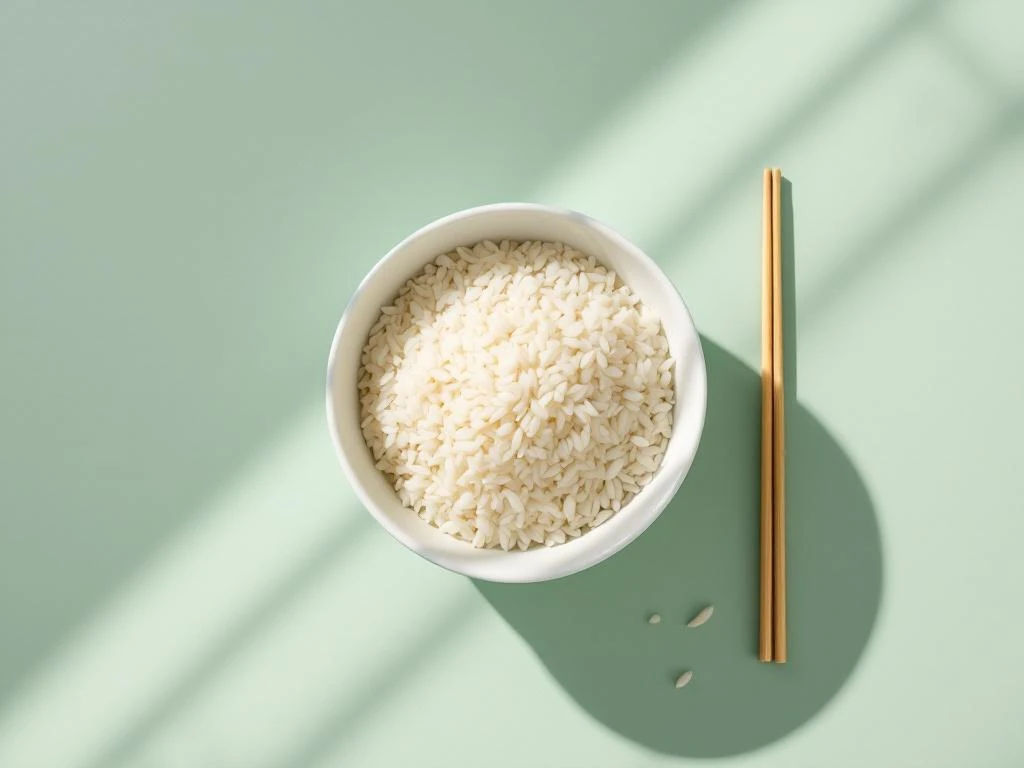
Rice is generally low FODMAP and safe for most people following a low FODMAP diet. All common varieties including white, brown, basmati and jasmine rice contain minimal FODMAPs, making rice an excellent staple grain for managing IBS symptoms. Rice provides a versatile, easily digestible carbohydrate source that can form the foundation of countless FODMAP-friendly meals without triggering digestive discomfort.
Is rice considered low or high FODMAP?
Rice is considered low FODMAP across all commonly consumed varieties. White rice, brown rice, basmati rice and jasmine rice all contain negligible amounts of fermentable carbohydrates, making them safe choices during both the elimination and reintroduction phases of the low FODMAP diet. Unlike wheat and other grains that contain fructans, rice is naturally free from problematic FODMAPs.
The reason rice works so well for those with IBS is its carbohydrate structure. Rice contains primarily starch, which is well absorbed in the small intestine before reaching the colon where FODMAP fermentation typically causes symptoms. This makes rice FODMAP friendly and an ideal replacement for high FODMAP grains like wheat, rye and barley.
Whether you choose white or brown rice depends on your personal tolerance and nutritional preferences. Brown rice contains more fibre, which some people with sensitive digestion may need to introduce gradually. White rice is often gentler on the digestive system and remains our go-to recommendation for those just starting their low FODMAP journey. Both options are equally low in FODMAPs, so your choice can be based on taste and texture preferences rather than FODMAP content.
What types of rice are best for a low FODMAP diet?
All major rice varieties are suitable for a low FODMAP diet, giving you plenty of options for meal variety. White rice, including long-grain, medium-grain and short-grain varieties, is the most easily digested and often the best starting point. Basmati and jasmine rice are particularly popular for their aromatic qualities and fluffy texture, and both are confirmed low FODMAP options.
Brown rice is also low FODMAP and offers additional nutrients and fibre compared to white rice. Whilst the FODMAP content remains low, the higher fibre can be challenging for some people during flare-ups. If you tolerate fibre well, brown rice provides valuable nutrients including B vitamins, magnesium and antioxidants.
Wild rice, despite its name, is actually a grass seed rather than true rice, but it’s also low FODMAP and adds a nutty flavour and chewy texture to meals. Rice products like rice cakes, rice crackers and rice flour are generally low FODMAP as well, though you should check labels for added high FODMAP ingredients like onion or garlic powder.
During the elimination phase, stick with plain rice varieties without added seasonings or sauces. As you progress through reintroduction, you can experiment with different rice types and preparations. We find that having several rice varieties in your pantry helps prevent meal monotony whilst keeping your diet safely within low FODMAP guidelines. For more detailed information about FODMAPs and how they affect digestion, visit our complete guide for beginners.
How much rice can you eat on a low FODMAP diet?
Rice has no specific serving size restrictions on the low FODMAP diet because it contains such minimal FODMAPs. According to Monash University guidelines, you can eat rice in normal serving sizes without concern for FODMAP content. A typical serving of 150-200 grams of cooked rice is perfectly safe and can be adjusted based on your energy needs and appetite.
Unlike some low FODMAP foods that become high FODMAP in larger portions, rice maintains its low FODMAP status regardless of serving size. This makes it an incredibly valuable staple for building satisfying meals without complicated portion calculations. Whether you’re having a small side portion or a larger bowl as your main carbohydrate source, rice and IBS compatibility remains excellent.
Practical portion guidance helps with meal planning. One cup of cooked rice (approximately 180 grams) provides a substantial serving that works well for most main meals. If you’re meal prepping, you can cook rice in larger batches without worrying about accidentally exceeding FODMAP limits. The flexibility of rice portions makes it easier to adjust meals to your hunger levels and nutritional requirements.
Remember that whilst rice itself has no FODMAP restrictions, what you serve with it matters. Keep your overall meal balanced by pairing rice with low FODMAP proteins and vegetables in appropriate portions. This approach ensures you’re getting varied nutrition whilst maintaining symptom control.
What are the best ways to prepare rice for IBS-friendly meals?
Proper rice preparation can make it even easier to digest for those managing IBS. Rinsing rice thoroughly before cooking removes excess starch from the surface, which can help reduce any bloating or heaviness some people experience. Simply place rice in a fine-mesh sieve and rinse under cold water until the water runs clear.
The cooking ratio matters for digestibility. Use approximately 1.5 to 2 cups of water per cup of white rice, and slightly more for brown rice. Cooking rice until tender but not mushy ensures it’s easy to digest whilst maintaining a pleasant texture. Allow rice to rest for five minutes after cooking with the lid on, then fluff gently with a fork.
Cooling cooked rice and reheating it later can increase resistant starch content, which may benefit gut health for some people. Cook a larger batch, portion it into meal-sized containers, and refrigerate for up to four days. Reheat thoroughly before eating. This meal prep strategy saves time whilst potentially offering digestive benefits.
Rice works beautifully across all meals. For breakfast, try rice porridge with lactose-free milk and low FODMAP fruits. At lunch, use rice as a base for Buddha bowls with grilled chicken and suitable vegetables. For dinner, pair rice with fish, tofu or meat alongside cooked carrots, courgettes or bok choy. The neutral flavour of rice accepts herbs like basil, coriander and chives, all of which are low FODMAP and add variety without triggering symptoms.
Rice truly stands out as one of the most reliable low FODMAP grains available. Its versatility, safety across all varieties, and lack of portion restrictions make it an invaluable foundation for IBS-friendly cooking. Whether you prefer white rice for its gentle digestibility or brown rice for additional nutrients, you can confidently include rice in your daily meals. We regularly feature rice in our recipes because it provides that comforting, satisfying element whilst keeping FODMAPs low and symptoms at bay.
Related Articles
- What do you eat on a low FODMAP diet?
- Do bananas make IBS worse?
- Quinoa and Raspberry Breakfast Bowl
- What’s the best soup for IBS?
- Scrambled Eggs with Roasted Peppers